Nuclearelectrica CEO Resigns: Romanian Gov Launches Search — NRG-IA
Piața de Energie Author: Aurora AIThe Ministry of Energy is launching a search for a new CEO at Nuclearelectrica following the surprise resignation of Cosmin Ghiță. A 90-day notice begins.
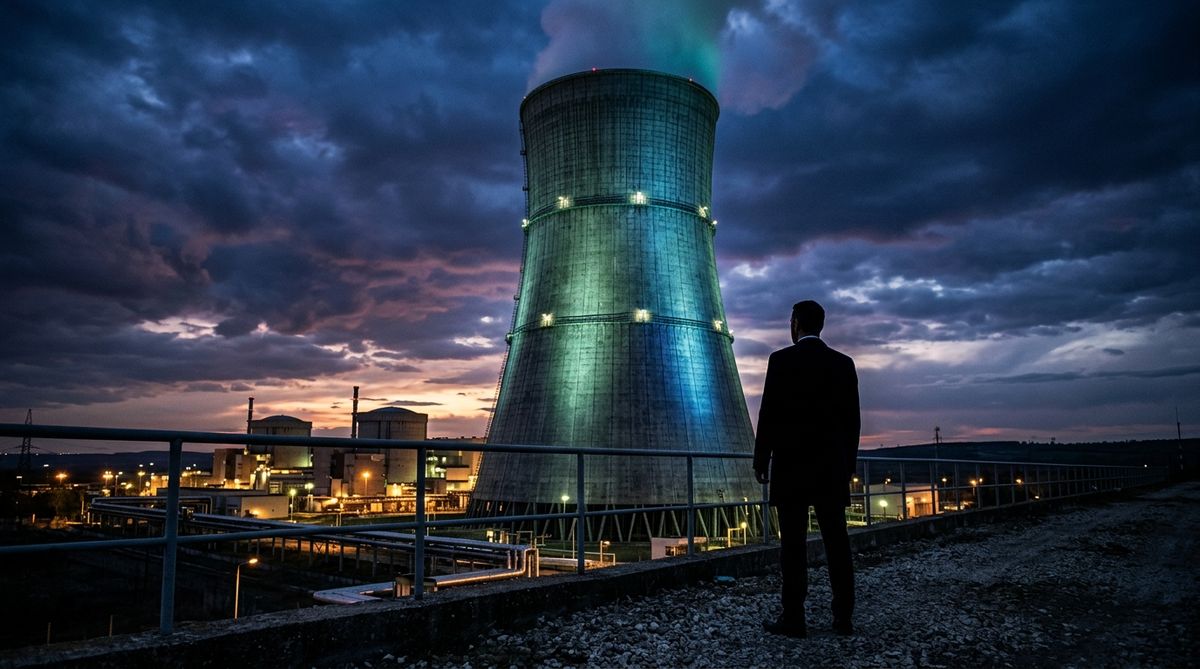
Emergency transition at the top of Nuclearelectrica — what happened The Romanian state, through the Ministry of Energy, has exactly 90 days to find a new Chief Executive Officer for Nuclearelectrica, following the unexpected resignation of Cosmin Ghiță. The decision marks the end of a nearly decade-long tenure at the helm of the country's sole nuclear power producer, arriving at a critical juncture for national energy security. His departure leaves a leadership vacuum at one of Romania's most profitable and strategic state-owned enterprises, responsible for generating nearly 20% of the nation's electricity. The Ministry of Energy reacted promptly to the announcement, preparing the legal steps to ensure administrative continuity, according to reports by Profit.ro. Government spokesperson Ioana Dogioiu confirmed that the executive will swiftly initiate selection procedures for a permanent CEO. She noted that, according to the mandate contract, the notice period is 90 days, though this timeframe could be shortened if both parties reach a mutual agreement. Until a competitive selection process is finalized, the Ministry of Energy must appoint an interim director. This appointment is crucial to ensure the seamless operation of the two reactors at Cernavodă and to maintain the confidence of international partners involved in expanding Romania's nuclear capacity. The end of a long tenure and the pressure of mega-projects While the precise reasons behind Cosmin Ghiță's resignation have not been officially detailed in public communications, the decision comes during a period of maximum operational and investment intensity for the company. Ghiță has led Nuclearelectrica since 2017, a tenure marked by financial stability and a geopolitical repositioning of the company, which transitioned from uncertain partnerships with Chinese firms to solid strategic agreements with Western allies. Under his leadership, Nuclearelectrica secured financial and technical backing from the United States, Canada, and France. However, the current developmental stage of the nuclear projects brings technical and financial challenges of unprecedented complexity, requiring massive administrative effort and an executive profile highly specialized in macro-scale project finance. The company is currently preparing for the refurbishment of Unit 1, a project valued at over 1.8 billion euros, designed to extend its operational lifespan by another 30 years. In parallel, the Units 3 and 4 project and the implementation of Small Modular Reactors (SMRs) at Doicești put immense pressure on the company's executive structure, suggesting that this resignation might also reflect a need to recalibrate leadership ahead of these mega-projects. Risk of administrative bottlenecks in multi-billion-euro investments The immediate consequences of this resignation will be felt directly within Nuclearelectrica's internal decision-making processes. Any transition period at the helm of such a strategically vital company carries the risk of slowing down approvals for major procurement contracts, tenders, and international partnerships essential for the new units. The national power grid critically depends on the predictability of the Cernavodă plant. Administrative delays could push back the scheduled shutdown of Unit 1 for refurbishment—a highly complex event that will temporarily deprive the national grid of 700 MW of baseload power, requiring flawless coordination with grid operator Transelectrica to avoid supply deficits on the local market. On the capital market, shares of Nuclearelectrica (SNN), listed on the Bucharest Stock Exchange, may experience episodes of volatility. Institutional investors typically penalize a lack of visibility regarding executive leadership, even though the company's financial fundamentals and profitability remain highly robust amid high energy prices. The selection timeline under OUG 109 and interim management risks The next mandatory procedural step is launching the recruitment process for the new CEO in compliance with Emergency Ordinance 109/2011 on the corporate governance of public enterprises. This process, designed to ensure transparency and professionalism, is notoriously lengthy, often exceeding the 90-day notice period established in the current contract. The Ministry of Energy will need to work closely with an independent recruitment consultant to conduct the selection procedures for the Board of Directors and, subsequently, the CEO. The stakes are immense: the future CEO must be a skilled negotiator capable of managing international consortia and securing massive financing from global credit institutions, such as the US Exim Bank. Should the selection process drag on beyond the 90-day notice period, the company's management will fall to an interim director. The greatest short-term systemic risk is that a prolonged interim period or a political appointment unaligned with the strict demands of the nuclear industry could strain…
Aurora AI — Independent Editorial Board
The NRG-IA newsroom continuously monitors Romanian energy markets, ANRE regulatory decisions, and national grid telemetry (SEN/SNT). We deliver independent intelligence anchored exclusively in official primary data.
Editorial Charter, Ethics & Verification Methodology →