Energy rationing Romania: Government prepares decree — NRG-IA
Piața de Energie Author: Aurora AIThe Romanian government prepares a decree for mandatory peak-hour energy rationing amid extreme drought on the Danube.
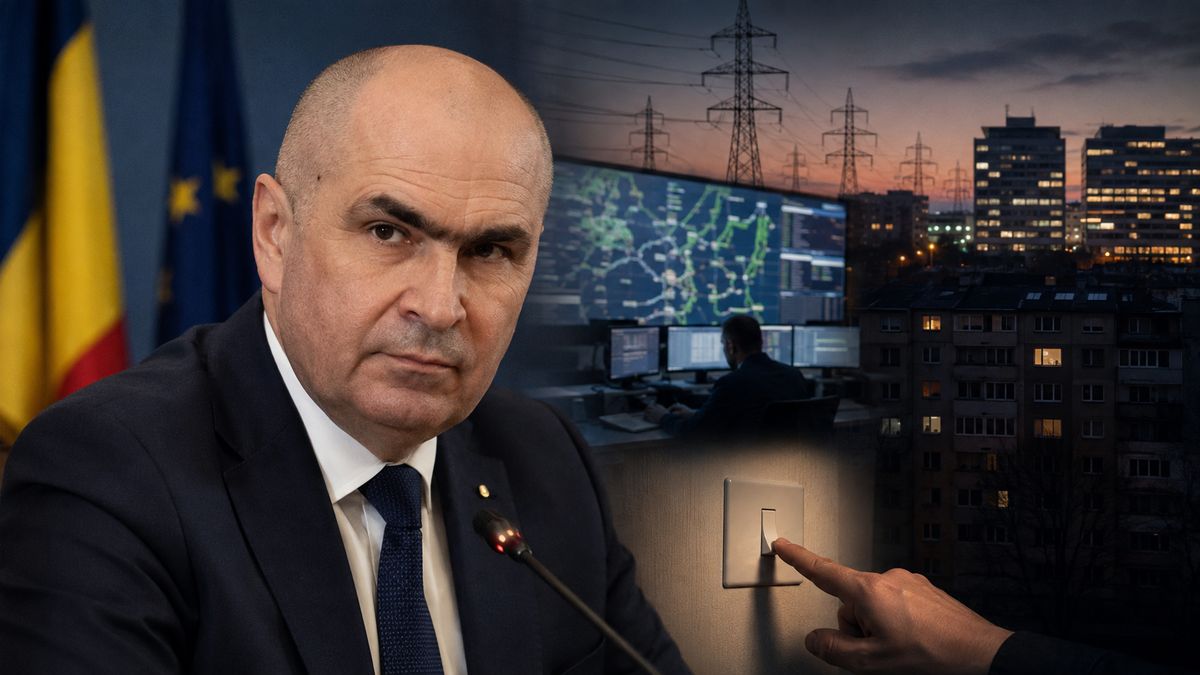
Mandatory rationing via government decision — what happened Interim Prime Minister Ilie Bolojan is preparing a government decision for mandatory energy rationing amid a severe deficit recorded during peak consumption hours. The normative act, scheduled for adoption in the coming days, will implement the legal mechanism to limit consumption in situations where voluntary reductions from heavy industry fail to balance the national energy system. This decision represents a transition from voluntary cooperation to a framework of mandatory administrative compliance, designed to prevent major grid imbalances. The interim cabinet accelerated procedures following a series of three consecutive working meetings held on Tuesday morning, focused on Romania's energy and fuel supply. Bolojan, who also serves as interim Minister of Energy, confirmed that the decision is imminent, according to statements reported by G4Media. The government aims to have a clear legal instrument at its disposal to intervene swiftly in national dispatching if balancing reserves fall below safety limits. Simultaneously with preparing the restrictive framework, authorities are carrying out urgent logistical operations on the Danube to protect the country's baseload production. Dredging and derocking operations on the Romanian river sector continue at a rapid pace to ensure the water volume required to cool the reactors at the Cernavodă Nuclear Power Plant. This critical infrastructure supplies approximately 20% of Romania's electricity, and keeping it online is vital to avoiding a systemic crisis of major proportions. Extreme drought and the limits of voluntary reduction agreements The executive's decision to prepare a government decision comes against the backdrop of extreme hydrological pressure on the Danube, which severely limits both hydropower production and safety margins for the Cernavodă plant. Economica.net previously reported that major industrial consumers in Romania had expressed their willingness to voluntarily reduce energy consumption during peak hours, following direct talks held on Monday with the interim prime minister. This industrial mobilization represented a first emergency step, yet it remains insufficient in the face of medium-term forecasts. Although heavy industry representatives agreed to implement voluntary consumption reduction measures starting Tuesday, technical analyses by Transelectrica and the Ministry of Energy indicate that voluntary cuts could be insufficient during prolonged heatwaves or further drops in Danube water levels. This structural vulnerability, coupled with limited storage and flexible production capacities, prompted the government to swiftly establish the legal leverage for direct administrative interventions in case of extreme necessity. Direct impact on heavy consumers and system risks The mechanism to be approved by government decision will establish clear thresholds and priorities for forced consumption reduction for large industrial consumers, protecting household consumers and critical institutions such as hospitals and public utility networks in the first instance. For industry, transitioning from voluntary to mandatory reductions means major operational costs, rescheduling shifts, and potential production losses that could ripple through national supply chains. In the energy market, the imminence of these administrative measures signals a pronounced structural deficit during peak load times, particularly in the 18:00 - 22:00 hourly interval. This tension keeps prices on the Day-Ahead Market (DAM) and Balancing Market at extremely high levels, forcing Romania to rely heavily on emergency imports from the interconnected European ENTSO-E grid, which itself faces cross-border capacity limitations in the region. Adoption timeline and monitoring of Danube levels The government decision will be submitted for approval in executive sessions in the coming days, representing a tool of last resort for the national energy dispatcher. In parallel, the progress of derocking and dredging works on the Danube will determine whether the Cernavodă plant will be forced to reduce its power output or temporarily shut down one of its reactors, a scenario that would instantly amplify the national deficit and force the immediate application of the rationing decree. Although industry assumed a supportive role in the first phase, the implementation of the government decision will transform peak consumption management from an exercise in corporate solidarity into a strict legal obligation monitored by ANRE and Transelectrica. Industrial companies must prepare contingency plans for instantaneous load reduction at the request of the national dispatcher, while authorities seek long-term solutions to diversify the energy mix and increase storage capacities.