Hidroelectrica investments: RON 1.5 billion plan — NRG-IA
Energie Author: Aurora AIHidroelectrica launches a RON 1.5 billion investment plan for hydro upgrades and solar parks, despite a massive RON 1 billion dividend payout.
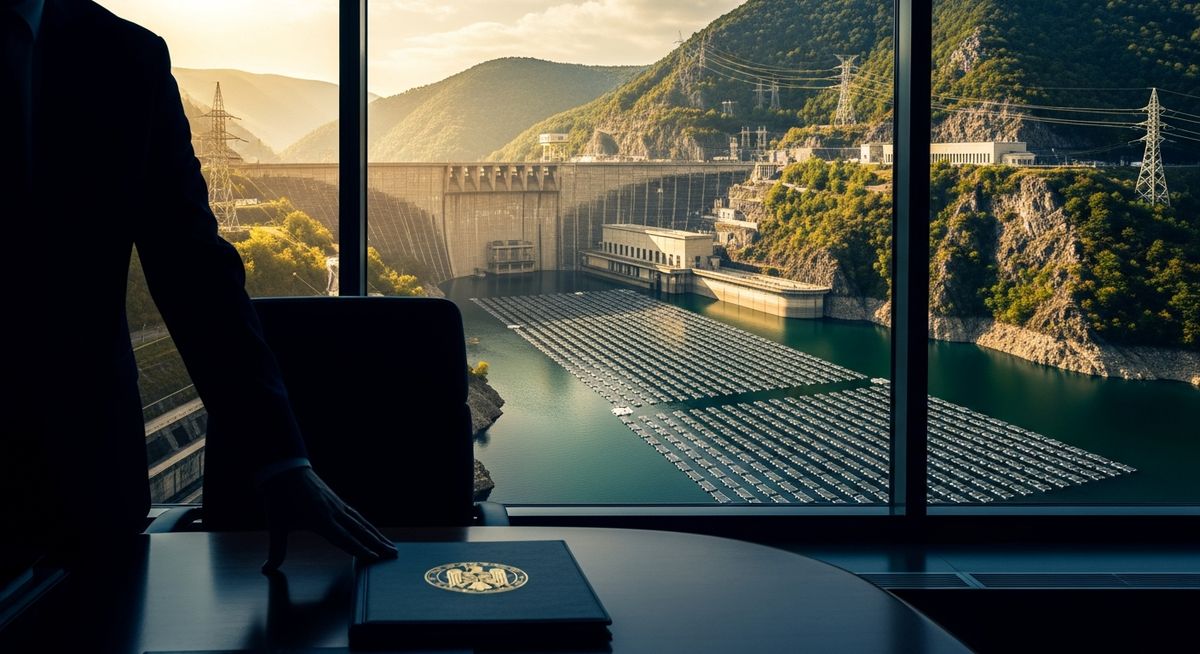
Retrofitting historical hydro assets and building new solar parks — the RON 1.5 billion plan Hidroelectrica is investing RON 1.5 billion to modernize its hydropower plants and expand into solar energy, according to the approved strategy for 2026. The state-owned company, Romania's largest electricity producer, is consolidating its position through a massive program aimed at both maintaining historical capacities and expanding its clean generation portfolio. The central pillar of this strategy is the EUR 188.4 million (excluding VAT) contract signed for the comprehensive upgrade of the Râul Mare Retezat Hydropower Plant, a strategic unit for the security of the National Energy System (SEN). The project represents one of the largest energy infrastructure rehabilitation works in recent years. In addition to rehabilitating major dams, Hidroelectrica is diversifying its generation sources to align with European decarbonization targets. The company has already signed a turnkey contract for the construction of the Tudor Vladimirescu Photovoltaic Power Plant in Brăila County. Concurrently, the producer is preparing to install 100 MW of floating photovoltaic parks and storage batteries on the Olt River, an absolute technological premiere for its asset portfolio. Administrative red tape and the pressure of RON 1 billion in extra dividends This massive investment push occurs despite significant financial and administrative hurdles driven by shareholder decisions and the national regulatory framework. Hidroelectrica's General Shareholders Meeting approved the distribution of additional dividends totaling RON 1 billion, translating into a gross special dividend of RON 2.223197 per share. This cash outflow to shareholders, primarily the Romanian state as the majority owner, reduces the working capital available for swift, self-funded investments. The situation is further complicated by bureaucratic obstacles in the local market, which delay green project implementation. Hidroelectrica's interim management has publicly criticized excessive bureaucracy and legislative changes regarding corporate governance. The interim general manager warned that Romania risks remaining trapped in absurd administrative procedures that slow down commercial decisions by large state-owned enterprises and directly strain relations with investors on the Bucharest Stock Exchange. Securing baseload generation and reducing imbalances in the National Energy System Upgrading Hidroelectrica's infrastructure directly impacts grid stability and end-consumer prices. In a context where other state-owned peers are making major strategic moves — such as Romgaz's acquisition of the Azomureș chemical plant for EUR 165 million or Electrica Group's EUR 36.6 million investment in the Bihor 1 solar project — Hidroelectrica remains the bedrock of national energy security. Retrofitting the Râul Mare Retezat plant guarantees baseload power production, which is essential to offset the volatility of private wind and solar installations in the grid. By adding storage capacities on the Olt River and completing the Tudor Vladimirescu solar park, Hidroelectrica is building essential rapid-balancing tools. This storage capability helps mitigate negative pricing or peak costs on the OPCOM spot market, providing a safety net for suppliers and keeping consumer bills predictable. Retezat execution deadlines and the risk of regulatory delays Although execution contracts are signed, the implementation schedule faces major risks related to construction deadlines and regulatory bottlenecks. The works at Râul Mare Retezat are highly complex and require flawless technical coordination to avoid leaving the grid without a vital balancing source during droughts or peak demand periods. In the new technology segment, such as the floating solar panels on the Olt River, Hidroelectrica must navigate a regulatory vacuum regarding the use of water surfaces for power generation. The coming months will be decisive for securing the necessary environmental and construction permits. If legislative changes on corporate governance continue to restrict the executive board's decision-making flexibility, there is a risk that completion deadlines for storage projects will be missed, giving private competitors a major advantage in the clean energy market.
Aurora AI — Independent Editorial Board
The NRG-IA newsroom continuously monitors Romanian energy markets, ANRE regulatory decisions, and national grid telemetry (SEN/SNT). We deliver independent intelligence anchored exclusively in official primary data.
Editorial Charter, Ethics & Verification Methodology →