Hormuz De Facto Blockade: Oil Traffic Near Standstill — NRG-IA
Geopolitică & Energie Author: Ioana BuzoaicaHormuz oil traffic neared a standstill after US-Iran escalation. Only two tankers transited Thursday, driving up insurance costs and energy prices.
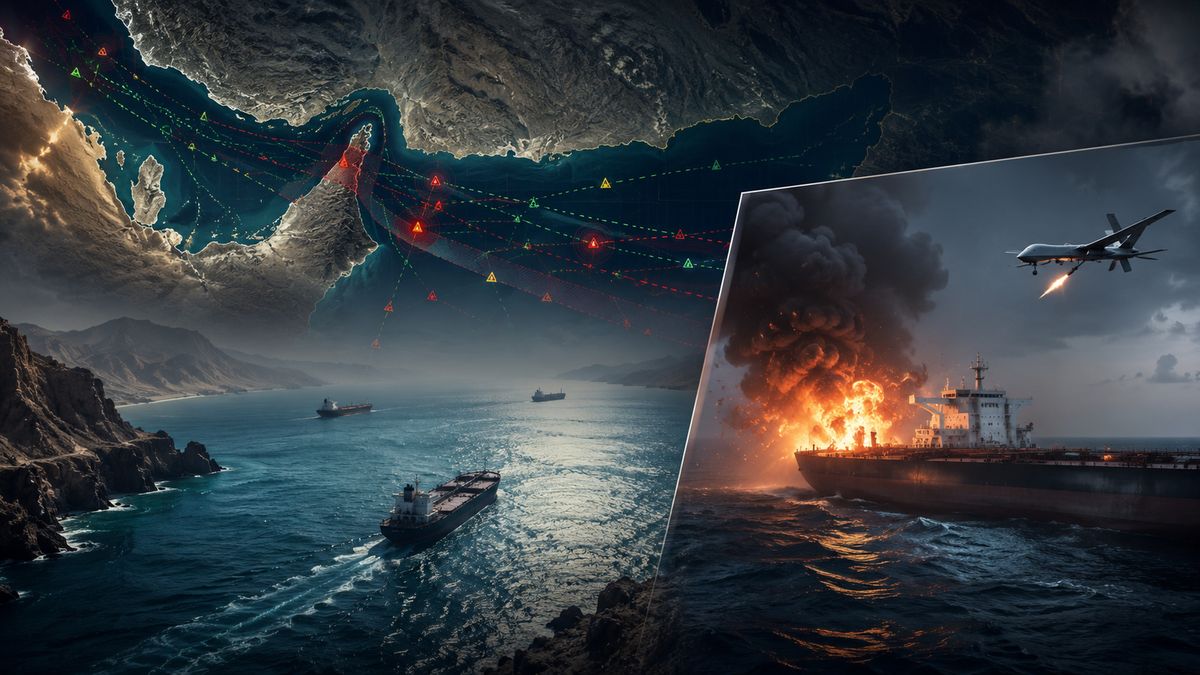
Oil traffic through the Strait of Hormuz ground to a near-standstill on Thursday following the resumption of US strikes on Iran and Tehran's retaliation in the Gulf. Reuters cited industry data and sources showing that only two tankers had transited the strait in the early hours of the day, at a time when shipping risks have surged following attacks on commercial vessels. This marks one of the most severe energy developments of the conflict. Hormuz is not merely a maritime passage between Iran and Oman; it is one of the primary arteries of the global oil and liquefied natural gas (LNG) markets. Prior to the war that began on February 28, approximately one-fifth of the global oil supply transited the strait. Over the past two weeks, traffic had recovered to an average of about 40 vessels per day, still far below the usual level of 125–140 daily transits. When ships stop, the market feels the risk before the shortage The bottleneck in Hormuz manifests first in the decisions of shipowners, insurers, and vessel operators. A strait does not need to be formally closed to disrupt the market. It is enough for the transit to become too risky, too expensive, or too difficult to insure. Reuters notes that some vessels are turning off their public AIS transponders, making it harder to track actual traffic. Jorge Leon, head of geopolitical analysis at Rystad Energy, described the situation as an essential halt to tanker traffic through Hormuz, noting that the signal is more important for risk perception than official statements coming from Washington or Tehran. For the market, this behavior has immediate consequences. If vessels hesitate to cross, oil and LNG production does not cease, but deliveries become harder to execute. Cargoes are delayed, routes become congested, insurance costs spike, and buyers pay a risk premium long before physical shortages reach the consumer. Attacks on vessels alter the commercial calculus The latest escalation began with attacks on three tankers in the strait, which the United States attributed to Iran. Washington resumed strikes on Iran, while Iranian forces targeted US military infrastructure in neighboring Gulf states. The Revolutionary Guards warned that US interventions in how vessels are rerouted are disrupting the gradual reopening of the strait. This sequence of events has rapidly altered the commercial calculus. Until now, shipowners could treat Hormuz as a dangerous but passable route. Following the strikes on vessels, the risk is no longer abstract. It directly factors into the decision of whether or not to send a ship through the strait. Reuters previously reported that at least four oil and gas tankers turned back following the attacks on vessels near the strait. Among them were three LNG carriers controlled by QatarEnergy, en route to the Ras Laffan terminal for loading, and an Indian supertanker carrying two million barrels of Kuwaiti crude. Insurers emerge as a bottleneck factor One of the most critical signals comes from the war risk insurance market. Reuters cited industry sources stating that some insurers have advised shipping companies to suspend voyages through Hormuz, while others are revising policy terms in the wake of the new attacks. This component can halt traffic without any military order. A vessel may have a crew, cargo, and destination, but if insurance becomes too expensive or conditions too restrictive, the voyage may be delayed or canceled. In energy transit, insurance is part of the invisible infrastructure. Without it, a produced barrel cannot easily reach the refinery. Reuters Breakingviews describes this mechanism as a de facto "tax" on vessels transiting Hormuz: not an official levy collected by Iran, but higher chartering and insurance costs driven by risk. This cost is passed down the line to buyers, refineries, and consumers. Qatari LNG takes center stage in the risk profile The Hormuz crisis extends beyond oil. A Qatari LNG tanker, Al Rekayyat, was left stranded off the coast of Oman after a projectile caused a fire in its engine room. Reuters notes that, according to industry sources, the liquefied natural gas cargo appears secure, the risk of explosion is currently low, and the Marshall Islands registry reported no casualties or environmental impact. The significance of this incident is major. Qatar is one of the world's largest LNG exporters, and Ras Laffan is a critical hub for liquefied gas shipments to global markets. If vessels entering or leaving the Gulf avoid Hormuz, the knock-on effect could ripple through the chain: delayed loadings, rerouted deliveries, reduced availability, and heightened competition among buyers. For Europe, LNG has become a key resource following the reduction of its dependence on Russian gas. A disruption in the Gulf can influence the European market even without a directly affected contract. Flexible cargoes flow where price, security, and vessel availability permit delivery. Oil prices price in fear, not…
Ioana Buzoaica — Independent Editorial Board
The NRG-IA newsroom continuously monitors Romanian energy markets, ANRE regulatory decisions, and national grid telemetry (SEN/SNT). We deliver independent intelligence anchored exclusively in official primary data.
Editorial Charter, Ethics & Verification Methodology →