Hormuz Resumes Traffic: US-Iran Deal Faces Lebanon Test — NRG-IA
Geopolitică & Energie Author: Ioana BuzoaicaThe interim US-Iran deal eased oil pressure and resumed Hormuz traffic. Stability depends on the Lebanon truce, nuclear talks, and secure transit.
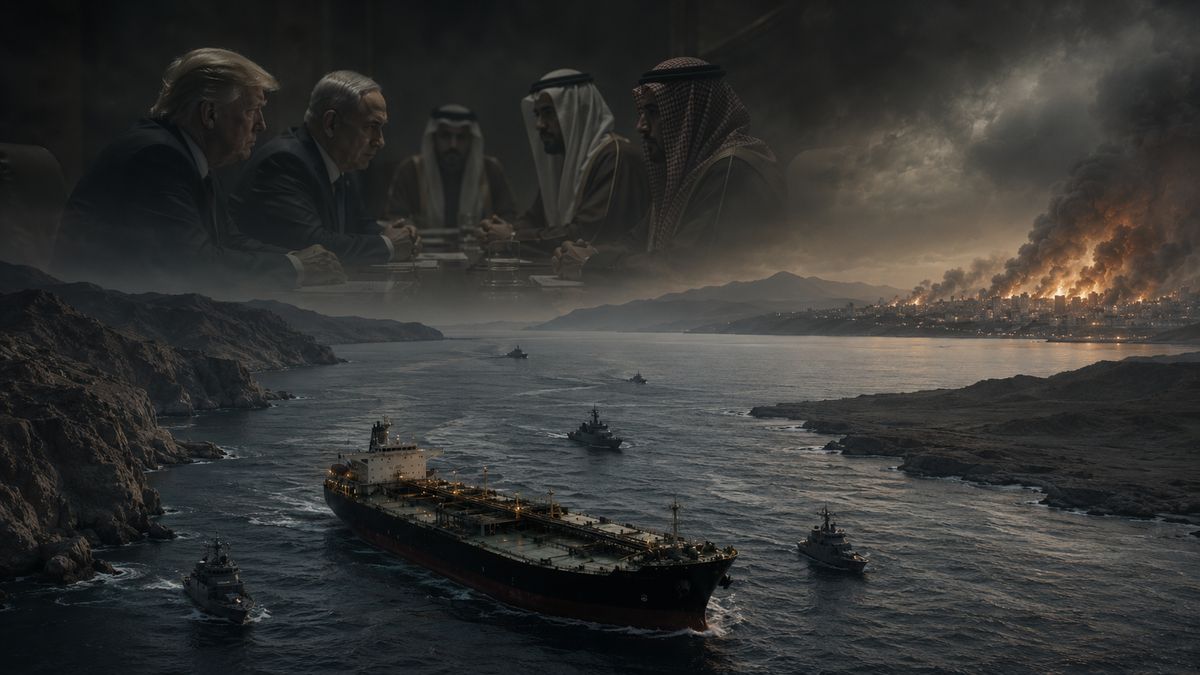
The interim agreement between the United States and Iran has produced its first visible energy impact: vessels have begun returning to the Strait of Hormuz, and the oil market has shed a significant portion of the geopolitical premium accumulated during months of conflict. However, the agreement has neither normalized the trade route nor closed the military file in the region. The escalation between Israel and Hezbollah in Lebanon demonstrated just how fragile the political architecture behind the memorandum is. Technical negotiations scheduled in Bürgenstock, Switzerland, were postponed on June 19, and US Vice President JD Vance canceled his trip. Subsequently, following the announcement of a new Israel–Hezbollah truce, Reuters reported, citing Axios and a US official, that special envoy Steve Witkoff was heading to Switzerland for contacts with the Iranian side. This does not mean the US–Iran agreement has entered a stable phase. It means it has transitioned from the political moment of signing into an implementation phase where Lebanon, the nuclear file, and Hormuz have become three simultaneous tests. The 60-day agreement: truce, navigation, and nuclear negotiation The interim memorandum extends the ceasefire between the US and Iran for 60 days and establishes a framework for reopening the Strait of Hormuz. However, the document does not resolve the conflict's decisive issues: the fate of enriched uranium stockpiles, the nuclear verification regime, sanctions relief, Iranian support for allied regional groups, and the military balance between Israel and Hezbollah. From an energy perspective, the memorandum has established a direct link between military de-escalation and commercial flows. Prior to the blockade, Hormuz carried nearly a fifth of global oil and LNG flows. The closure or disruption of the route impacted Gulf state exports, deliveries to Asia, and the global oil products market. The agreement provides for the reopening of the route during the interim period, while negotiations for a broader deal are expected to clarify the nuclear file and regional security mechanisms. For Iran, potential benefits include economic relief, oil export waivers, the unfreezing of assets, and the prospect of broader financial mechanisms. For Washington, the stated goal remains limiting Iran's nuclear program and reducing the risk of a return to open military confrontation. Lebanon becomes the military test of the memorandum The Israel–Hezbollah escalation immediately highlighted the central issue: the document negotiated by Washington and Tehran includes the cessation of military operations on all fronts, including Lebanon, but Israel is not a formal party to the agreement and maintains that it retains freedom of action against Hezbollah. This difference is not a mere dispute over wording. It determines whether the agreement can be effectively implemented. Iran may view the resumption of attacks in Lebanon as a violation of the memorandum's broader terms and could use this argument to delay or condition nuclear negotiations. Israel, on the other hand, maintains that it has not accepted the political framework agreed between the US and Iran and is maintaining its military positions in southern Lebanon. The truce announced on June 19 temporarily reduced the risk of an immediate breakdown. Reuters reported that Israel and Hezbollah accepted the ceasefire, with US, Qatari, and Iranian support, despite Israeli strikes occurring within the first hour of the truce taking effect. Israel also stated it would maintain its forces in southern Lebanon. Under these conditions, Lebanon is not a parallel crisis to Hormuz. It is one of the operational conditions of the agreement that is supposed to enable the sustainable reopening of Hormuz. Hormuz: traffic resumes, but normalization is not yet here Traffic data shows a recovery, not normalization. On June 18, 25 commercial transits were recorded through Hormuz, more than five times the average of the first ten days of June. However, this level remains far below the pre-conflict pace of approximately 120 commercial transits per day. Vessels have begun reactivating their transponders and transmitting their positions again, after weeks in which a significant portion of the fleet sailed with AIS signals disabled. Entries of tankers carrying crude oil, petroleum products, and LPG to Iraqi Gulf ports have been reported. A tanker bound for Japan exited the strait after war-related delays, and two Indian supertankers began their transit toward India. Gulf producers, including Kuwait Petroleum and ADNOC, have already reactivated bidding activity for future deliveries. These signals are important for the market, but they do not eliminate operational risk. The US-coordinated Joint Maritime Center warned vessels of the existence of mines and naval presence as clearing operations continue. Ships were advised to avoid certain traffic lanes due to maritime risks. Shipbroker Braemar warned that…