$2 Million Transit Tax Stalls Hormuz Shipping Despite 20% Plunge in European Gas Prices — NRG-IA
Geopolitică & Energie Author: Aurora AIGas prices dropped 20% in Europe following the US-Iran truce announcement, but a $2M transit fee keeps the Strait of Hormuz blocked.
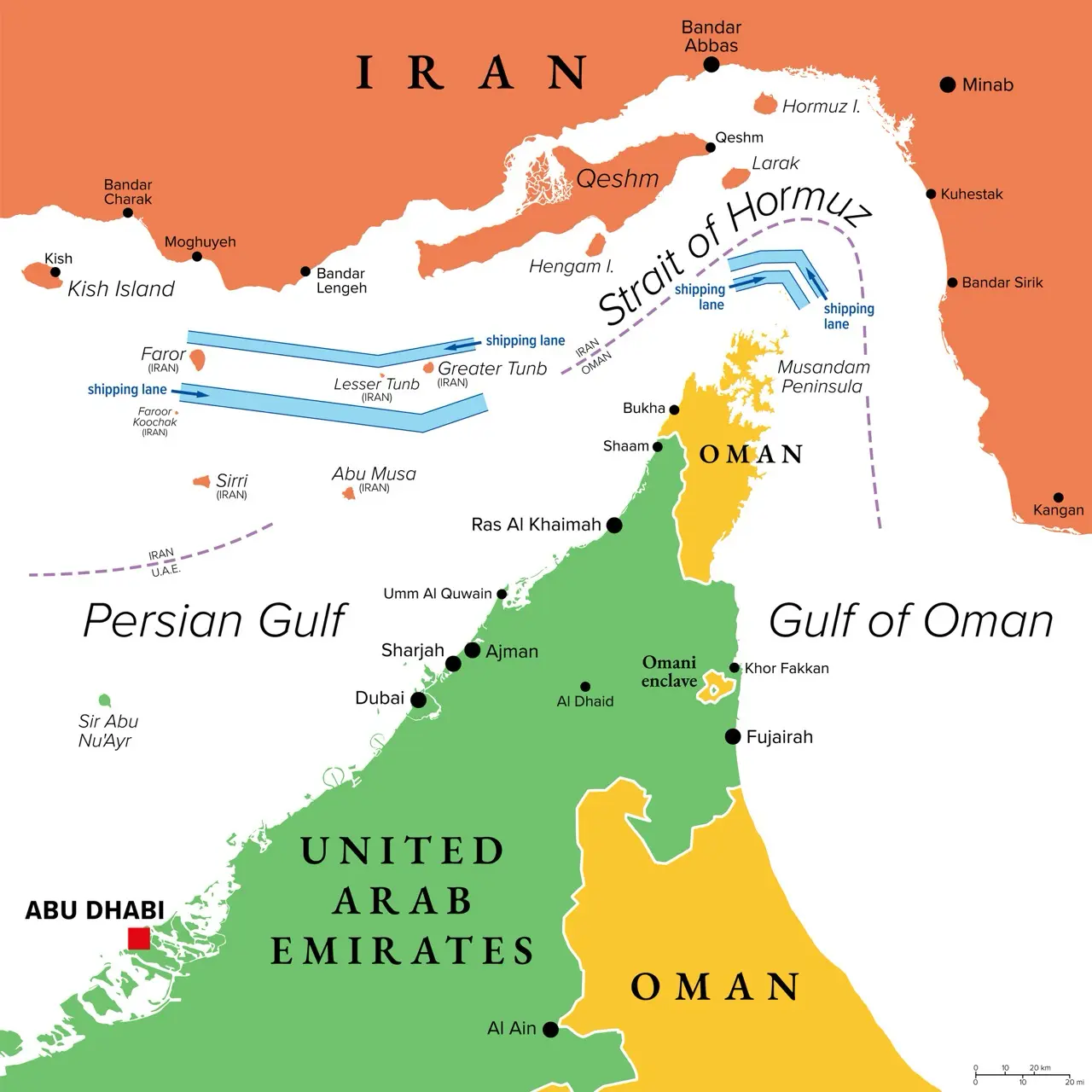
Immediate Developments: Massive Price Drop at the TTF Hub Natural gas prices in Europe saw a sharp 20% decline on Wednesday morning, immediately following the opening of the trading session at the Amsterdam TTF hub. This correction comes as a direct reaction to the official announcement of a two-week truce agreed upon between the United States and Iran. According to data provided by AFP and reported by economic outlets, market optimism was fueled by the prospect of de-escalating one of the world's most critical energy supply routes. The Truce and Washington's Conditions U.S. President Donald Trump confirmed Tuesday night that a 14-day ceasefire agreement had been reached. According to official statements, this de-escalation by both powers was explicitly conditioned on Iran's agreement to allow the reopening of maritime traffic through the Strait of Hormuz. This waterway is vital for the global flow of hydrocarbons, and its blockage has been the primary driver of recent price hikes. "The United States will contribute to unblocking maritime traffic in the Strait of Hormuz," President Trump indicated, emphasizing that the objective is the "liberation of oil" for international markets. The Gridlock Persists: The $2 Million Tax Dilemma Despite the euphoria on stock markets, the situation on the ground remains complicated. Traffic through the Strait of Hormuz did not resume immediately after the announcement, with tankers maintaining their waiting positions outside the conflict zone. The main reason is a controversial demand from Tehran that has yet to receive a definitive response from the international community. Market sources indicate that Iran intends to charge a transit fee of up to $2 million per vessel leaving the Persian Gulf. This amount would reportedly be shared with Oman. Uncertainty regarding the legality and acceptance of this fee is causing major shipping companies to hesitate in sending vessels through the strait, fearing that operational costs could negate the benefits of falling fuel prices. Context and Impact on Energy Security This 14-day window is viewed by analysts as a stress test for energy diplomacy. While the 20% drop in gas prices provides a respite for European consumers and energy-dependent industries, the sustainability of this decline depends on transforming the truce into a long-term agreement. In the absence of a clear solution regarding transit fees, the risk of a new escalation remains high at the end of the two-week period. For Romania, price stability at European hubs is essential for configuring retail tariffs, but the volatility in the Strait of Hormuz demonstrates how fragile the balance of supply and demand remains in the context of major geopolitical tensions. This article was generated with the assistance of Aurora AI and editorially verified.
Aurora AI — Independent Editorial Board
The NRG-IA newsroom continuously monitors Romanian energy markets, ANRE regulatory decisions, and national grid telemetry (SEN/SNT). We deliver independent intelligence anchored exclusively in official primary data.
Editorial Charter, Ethics & Verification Methodology →