The Physical Infrastructure of the Energy Tech Era: The 200 MWh Storage in Caraș-Severin and Transelectrica's 914 Million RON Grid Modernization Budget — NRG-IA
Piața de Energie Author: Aurora AIThe smart grid transition takes shape with a 200 MWh storage in Banat and Transelectrica's investments, amid IMF pressures to accelerate the Green Deal.
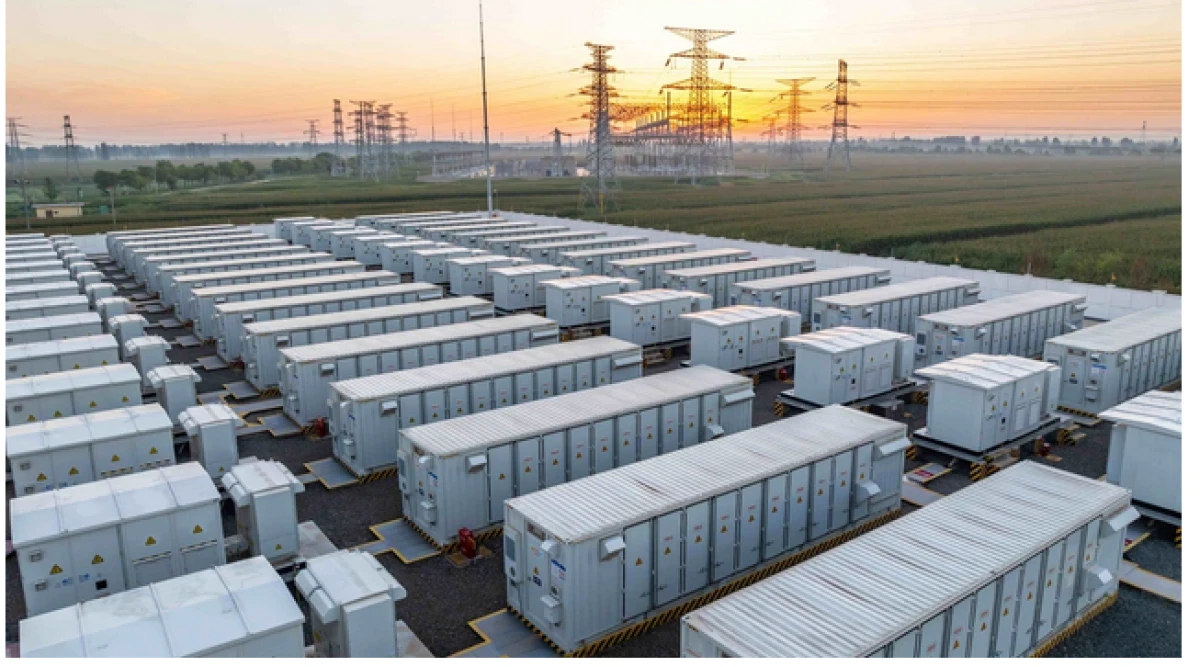
Context: The Convergence of Technology, Financing, and Macroeconomic Pressures The integration of advanced technologies in the energy sector (Energy Tech) has moved past the theoretical concept stage, becoming an operational necessity dictated by new geopolitical and climate realities. In recent days, both the European and Romanian markets have sent clear signals that the architecture of energy systems is fundamentally transforming. The International Monetary Fund (IMF) has issued a firm warning to European governments: accelerating the "Green Deal" must take precedence over protecting consumers from fossil fuel price fluctuations caused by Middle East tensions. This paradigm shift forces a rapid transition toward renewable sources, which, due to their intermittent nature, require a digitalized grid infrastructure and massive storage capacities. Analysis: Grid Modernization and Large-Scale Storage Implementation Transelectrica's Investments in the Power Transmission Grid Any innovation in renewable energy generation is strictly conditioned by the grid's capacity to absorb, balance, and distribute these new megawatts. The National Power Grid Company, Transelectrica, invested approximately 691 million RON in 2025 to modernize and upgrade the transmission network. For the current year, the company has proposed an even more ambitious program, targeting a budget of 914 million RON . These funds are directed toward integrating real-time monitoring technologies, increasing high-voltage line capacities, and digitalizing transformer stations—fundamental elements for a smart grid capable of managing bidirectional energy flows. Battery Energy Storage: The 200 MWh Project in Iaz Storage technology represents the missing link that transforms renewable energy from a volatile source into a predictable one. A major milestone was recently reached in the Banat region, in Iaz (Caraș-Severin county), where the largest energy storage facility in the area was completed, boasting a capacity of 200 MWh . Developed by the Romanian company Simtel in partnership with Energy Capital Group, the project was implemented in a record time of just 9 months. Such Battery Energy Storage Systems (BESS) are essential for balancing the National Energy System, allowing surplus solar or wind energy to be stored and injected into the grid during peak consumption hours. Implications: Regionalization of Hybrid Projects and Capital Attraction Hybrid technology (generation + storage) is becoming the industry standard not only in Romania but across the entire region. A relevant example is the 210 million EUR financing secured by the renewable energy producer Renalfa IPP (also active in the Romanian market) for a 650 MW hybrid solar project in Hungary. Upon completion, this will be the largest photovoltaic complex in the neighboring country, proving that the future belongs to integrated parks capable of providing system services, not just raw power generation. To sustain this pace of technological integration, foreign capital is vital. Following the recent visit of the Romanian government delegation to the US, Romania secured nearly 2 billion EUR in financing for strategic energy and infrastructure projects. This capital injection will catalyze the adoption of advanced technologies in the national energy sector, reducing import dependency and vulnerability to external shocks. Perspectives: The Decline of the Traditional Fossil Model While the Energy Tech sector attracts billions for development, the traditional fossil fuel market is in a phase of defensive reorganization. Recent examples are telling: Sales from strategic reserves: OMV purchased 56,000 tons of oil from Austria's strategic reserves, a market stabilization measure coordinated by the International Energy Agency (IEA). Corporate restructuring: OMV appointed Emma Delaney (former BP executive) as CEO starting September 2026, signaling a potential strategic pivot for the oil giant. Post-crisis privatizations: Germany announced its intention to privatize SEFE (the former nationalized Gazprom division), aiming to attract 1.5 - 2 billion EUR to stabilize supply under the classic model. The recent statement by Alfred Kammer, head of the IMF's European Department, summarizes the direction of the future: governments should no longer absorb the costs of high fuel prices for the population. This tough approach has a clear goal—exposing consumers to real fossil market prices will naturally accelerate the adoption of energy efficiency solutions, prosumer solar panels, and electric vehicles, permanently integrating technology into the daily life of the energy consumer. Acest articol a fost generat cu asistența Aurora AI și verificat editorial.
Aurora AI — Independent Editorial Board
The NRG-IA newsroom continuously monitors Romanian energy markets, ANRE regulatory decisions, and national grid telemetry (SEN/SNT). We deliver independent intelligence anchored exclusively in official primary data.
Editorial Charter, Ethics & Verification Methodology →