Ion Sterian Leads Gas Network Expansion in Maramureș — NRG-IA
Gaze Naturale Author: Ioana BuzoaicaMaramureș now has completed transmission pipelines and local networks under construction. Transgaz CEO Ion Sterian assessed progress and next steps.
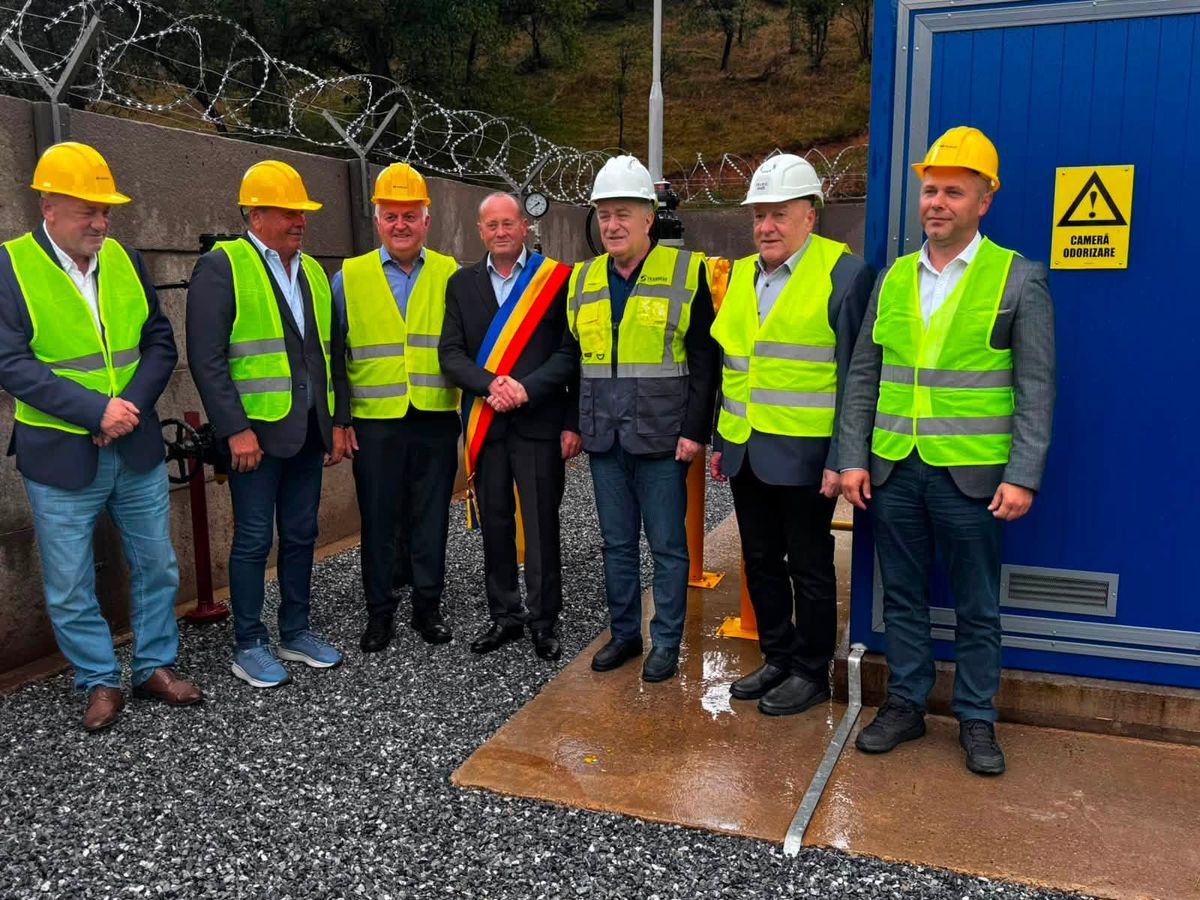
The series of visits conducted by Ion Sterian in Bihor, Satu Mare, and Maramureș concluded in a county that brings together almost all stages of gas infrastructure development: completed transmission pipelines, established connections, local distribution networks under construction, and a new regional project in the pipeline. In Maramureș, Transgaz's leadership did not visit merely to present a future investment, but to evaluate how the already built infrastructure is beginning to translate into actual access for local communities. The agenda for July 23 and 24, 2026, included meetings with the county administration and local mayors, inspections of the works in Vișeu de Sus, and discussions dedicated to projects in Maramureșul Voievodal, Țara Lăpușului, and Țara Codrului. Joining Ion Sterian were Gabriel-Valer Zetea, President of the Maramureș County Council, Mircea Man, Secretary General of the National Energy Regulatory Authority (ANRE), local administration representatives, and specialists involved in network design, permitting, and construction. Vișeu de Sus Transforms the Main Pipeline into a Town Network In Vișeu de Sus, the visit took place directly at the distribution network construction site. Ion Sterian assessed the progress of the works alongside Mayor Vasile Coman, Transgaz Deputy Director General Ion Tătaru, regulatory authority representatives, and the construction contractor. According to data released by the Vișeu de Sus Town Hall on July 24, the investment is valued at approximately €35 million. Over 50 kilometers of network and around 1,900 connections had already been completed, with work progressing simultaneously using seven to eight crews. The local administration expressed its goal to begin supplying households during the coming year; however, meeting this deadline depends on completing the network, official acceptance of the works, and commissioning procedures. The project has a longer history. Construction began in 2024, and in March 2026, the town was connected to the national pipeline. By May, seven crews were working in parallel across several areas of Vișeu de Sus, laying pipes and installing connections. The total value of approximately €35 million has been consistently highlighted by the local administration as one of the largest investments in the town's history. The significance of the construction site goes beyond the number of kilometers installed. While the transmission pipeline brings gas to the town's connection point, only the distribution network can deliver it down the streets to homes, public institutions, and businesses. Vișeu de Sus is now at the stage where a national investment is beginning to yield local utility. Ocna Șugatag Brings the County's Projects to the Same Table The meeting in Ocna Șugatag served as a joint evaluation of projects across the entire county. Mayors presented the status of feasibility studies, permits obtained, contracts to be signed, connection solutions, and the technical or administrative issues delaying works. Some localities have advanced documentation and connection permits, while others still need to finalize studies, clarify routes, or secure funding. The differences between projects make a one-size-fits-all solution impossible for all communities. The purpose of the meeting was precisely to identify, for each locality, the missing documents and the specific institution on which the next stage depends. Ion Sterian announced that project documentation for Maramureș will be prioritized for review so that local administrations can proceed with their processes. While this commitment does not equate to automatic approval for every investment, it can reduce the time files spend stalled between authorities, the transmission system operator, and designers. The simultaneous presence of Transgaz, the regulatory authority, the County Council, and local mayors shifted the discussion from general objectives to concrete cases. A design error, an incomplete permit, or the lack of a technical solution can delay an entire network. Directly clarifying these issues was one of the practical outcomes of the visit. Maramureș currently has over 350 kilometers of transmission pipelines, more than 28 kilometers of connections, and 32 regulating and metering stations. At the same time, Gabriel Zetea estimates that just over 30% of the county is connected to the gas network. This figure indicates the scale of remaining investments, though it should be viewed as an estimate provided by the county administration rather than a publicly verified statistic with a disclosed methodology. Sarasău already provides an example of the complete pathway. There, the main pipeline was followed by the local distribution network, and consumer supply has begun. For other localities, this is the model to replicate: transmission infrastructure, connection, regulating station, local distribution, and actual consumer hookups. Țara Codrului Demonstrates Continuity Between…