Iran Declares Hormuz Closed, CENTCOM Reports 55 Ships — NRG-IA
Geopolitică & Energie Author: Ioana BuzoaicaIran declared the Strait of Hormuz closed, but CENTCOM reports 55 commercial vessels transited Saturday, carrying over 17 million barrels of oil.
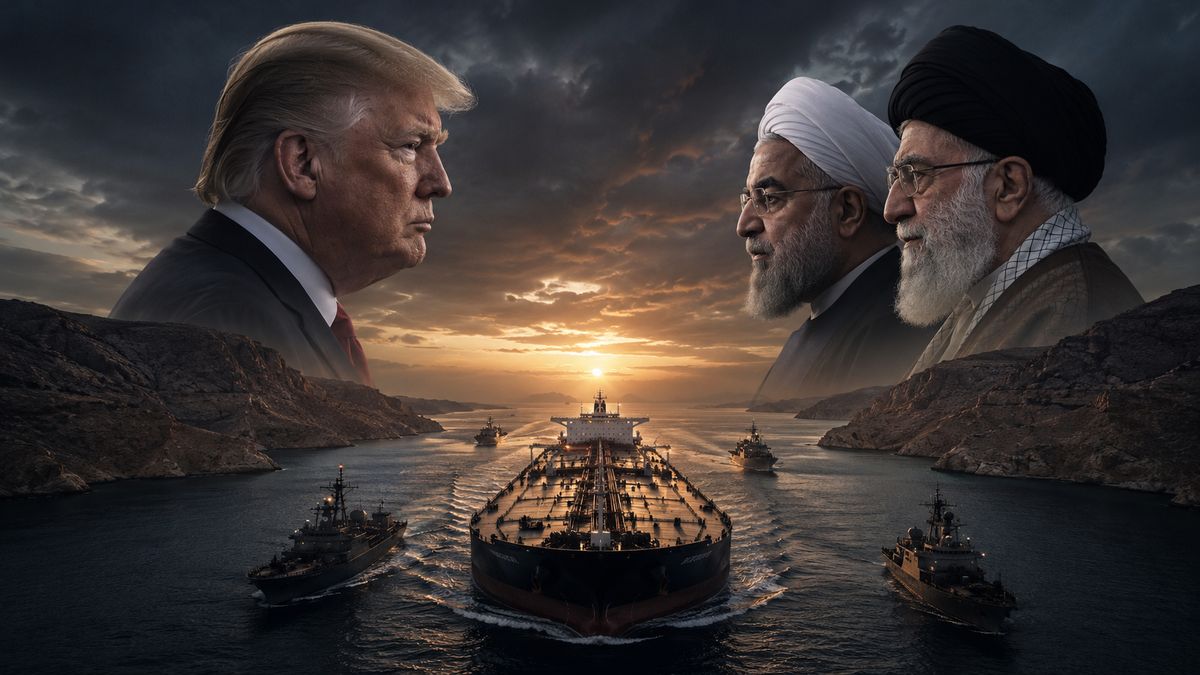
Iran declared the Strait of Hormuz—one of the world's most critical maritime routes for oil and gas—closed on Saturday, but US Central Command (CENTCOM) stated that commercial traffic has continued through the area. According to Reuters, Iran's Revolutionary Guards announced that vessels approaching the strait put themselves at risk, citing what Tehran describes as violations of US ceasefire commitments, particularly regarding the situation in Lebanon. On the same day, CENTCOM reported that 55 commercial vessels transited Hormuz, carrying over 17 million barrels of oil destined for global markets. The Iranian declaration is therefore not equivalent to a total, verifiable physical closure of the route. However, it introduces a new risk for maritime operators, oil companies, and traders attempting to resume shipments following the interim agreement between Washington and Tehran. Iran Cites Lebanon, US Disputes Closure The Iranian announcement came amid the fragility of the Pakistani-brokered interim agreement signed last week by Presidents Donald Trump and Masoud Pezeshkian. The deal provides a maximum of 60 days to negotiate a final agreement and includes commitments to cease military operations, gradually resume commercial traffic, and facilitate maritime transit through Hormuz. The text of the agreement stipulates that Iran will make efforts to ensure the safe and toll-free passage of commercial vessels for 60 days, while restoring traffic to levels closer to the pre-conflict period also depends on removing technical and military obstacles, including mine clearance. However, Washington disputes the notion that Iran has successfully closed the route. Captain Tim Hawkins, a CENTCOM spokesperson, told Reuters that Iran does not control the strait, traffic continues, and US forces are monitoring the area to maintain commercial navigation. Traffic Exists, But Has Not Returned to Normal The fact that 55 vessels crossed Hormuz in a single day shows that the route remains functional for a portion of commercial traffic. However, this does not mean the market has returned to its pre-conflict state. AXS Marine data cited by Reuters showed that on June 18, there were 25 commercial transits—the highest daily level since April, but still more than five times below the pre-conflict average of approximately 120 daily transits. Vessels have begun reactivating their transponders after a period during which some transited with hidden positions or avoided the area entirely. The resumption of traffic remains limited by real risks: sea mines, military presence, conditions imposed by Iran for passage, and the potential for political tensions to translate back into operational restrictions. The Joint Maritime Information Center, a body coordinated by the US Navy, had already warned mariners of mine risks and the need to avoid certain shipping lanes within the strait. Hormuz Becomes a Bargaining Chip Once Again The Iranian announcement also carries a political dimension. Tehran is linking energy transit to compliance with ceasefire commitments in Lebanon, while the US is attempting to frame the continued traffic as proof that the interim agreement can work. Negotiations between the US and Iranian delegations have begun in Switzerland, following the arrival of an Iranian delegation led by Mohammad Baqer Qalibaf and Abbas Araqchi, and US Vice President JD Vance. For Iran, Hormuz remains one of its most powerful regional levers. For the US and Gulf states, maintaining traffic is a central condition for limiting shocks to the oil market and maritime shipping. The immediate risk is not just a formal halt of tankers. An uncertain transit regime can sustain high insurance costs, delays, rerouting, cargo limitations, and commercial caution, even as some vessels manage to pass through. What Lies Ahead for the Oil Market The market will monitor three key elements: whether the number of transits continues to rise, whether operators resume normal use of shipping lanes, and whether Iran translates its political declaration into a ban enforced by naval action or administrative restrictions. For now, the picture remains contradictory: Iran declares Hormuz closed and warns vessels, while the US reports dozens of commercial transits and asserts that traffic will be protected. This discrepancy keeps the strait in an operational risk zone, directly impacting oil, LNG, shipping costs, and global energy security.