Romania hydro reservoir levels lowest since 2018 — NRG-IA
Piața de Energie Author: Aurora AIRomania's reservoir filling rate dropped to 71% in July 2026, the lowest level since 2018, putting pressure on Hidroelectrica's output.
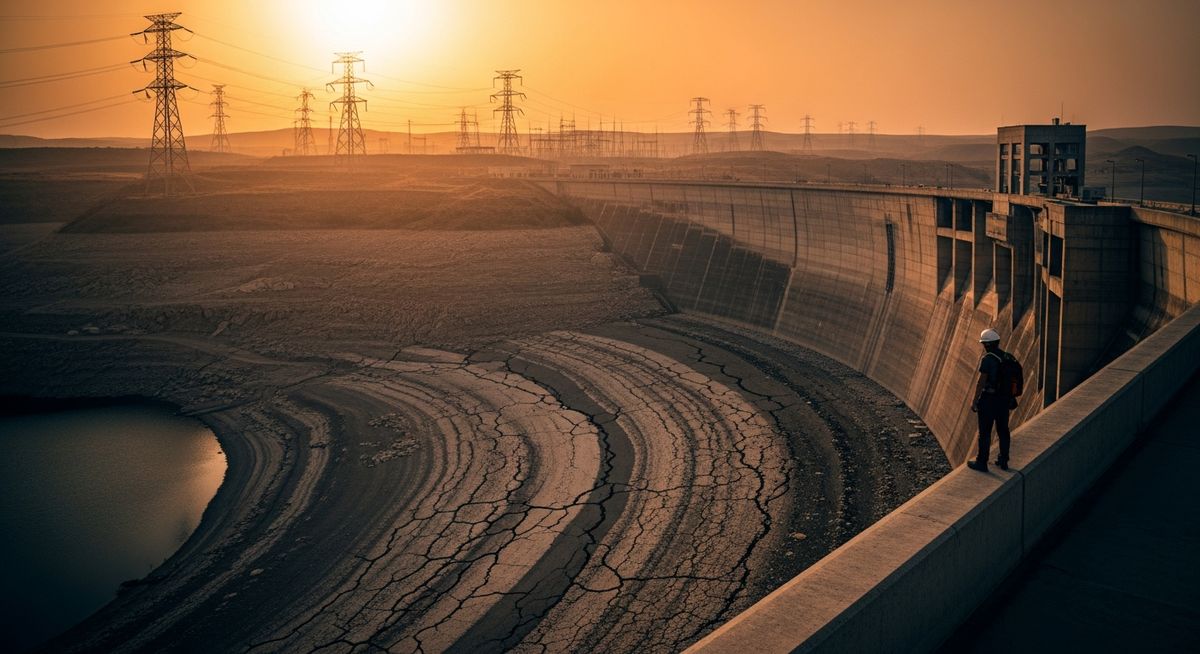
Hydroelectric reservoirs drop to an eight-year low — what happened Hidroelectrica recorded a filling rate of reservoir lakes of only 71% on July 19, 2026, according to official Transelectrica data analyzed by Ziarul Financiar. This value represents the lowest level recorded for mid-July in the last eight years, specifically since 2018, the earliest period for which public records are available on the transmission system operator's platform. The sharp decline in water reserves limits the production capacity of the country's largest electricity producer, precisely during an interval characterized by record national consumption. The reduction in water volumes in Romania's major dams comes at a moment of maximum demand on the national energy system, generated by persistent heatwaves. Strategic reservoirs, which typically provide balancing reserves and peak production, are directly feeling the effects of the prolonged lack of precipitation. Ziarul Financiar journalists emphasize that this rapid decline in water resources puts pressure on Hidroelectrica's production capacity, limiting its operational flexibility. Historically, Romania's reservoir lakes function as a giant natural battery, capable of delivering baseload energy or intervening rapidly to balance the grid when intermittent renewable sources, such as wind or solar power, reduce their output. The drop in the filling rate to 71% significantly reduces this margin of maneuver, forcing energy dispatchers to conserve water for the most difficult hours of the day, especially during the evening peak interval. Lack of precipitation and reduced inflows from domestic rivers The direct cause of this hydrological depreciation is the severe and prolonged soil drought affecting the hydrographic basins of the main inland rivers in Romania. The lack of water inflow from tributaries forced the exploitation of reserves accumulated in spring to support energy production during peak consumption hours. The flows of the Danube and inland rivers registered constant decreases, leaving reservoir lakes without major natural supply sources. In addition, extreme temperatures accelerated direct evaporation rates from the large surfaces of reservoir lakes, such as Vidraru, Bicaz, or Iron Gates. Without a constant contribution from melting snow or heavy rains in mountainous areas, hydroelectric accumulations emptied steadily during June and July. This dynamic shows the vulnerability of the hydroelectric system to rapid climate changes, which alter the classic precipitation regime. Pressure on spot prices and increased reliance on imports The hydro resource deficit means a forced reduction in Hidroelectrica's baseload production, which unbalances the national energy mix and puts pressure on prices on the Day-Ahead Market (DAM). To compensate for the lack of cheap megawatts generated from water, Romania becomes dependent on costly cross-border imports or on starting up coal and gas plants with much higher marginal costs. This transfer of production to more expensive sources directly influences the average price of energy traded on the domestic market. This dynamic will be directly reflected in Hidroelectrica's financial results for the third quarter of 2026. Lower production means diminished revenues from energy sales, despite high market prices, as the company has fewer megawatt-hours available for trading. For consumers, although household tariffs remain partially protected by capping mechanisms, the pressure on suppliers' acquisition costs increases, generating risks of medium-term tariff adjustments for the industrial and commercial sectors. Weather forecasts and strict management of remaining water reserves The National Meteorological Administration indicates the maintenance of temperatures above climatological averages in the first part of August, which means that the pressure on reservoir lakes will continue to grow. Hidroelectrica and Transelectrica will have to maintain extremely restrictive management of the remaining water volumes, prioritizing the safety of the National Energy System over maximizing immediate commercial profit. Every water release decision will have to be weighed precisely to avoid premature emptying of reservoirs. The major short-term risk is that the filling rate could drop below the critical 65% threshold by the end of summer. In such a scenario, the rapid intervention capacity of hydropower plants during major grid imbalances will be severely limited, leaving the system exposed to potential breakdowns or unplanned shutdowns of other large production units. Dispatch decisions in the coming weeks will be decisive for the stability of supply during the autumn period.