UK accelerates grid connection for 700 green projects — NRG-IA
Piața de Energie Author: Aurora AIThe UK unlocks grid connections for 700 clean energy projects, overhauling connection rules to eliminate speculative bids and lower consumer bills.
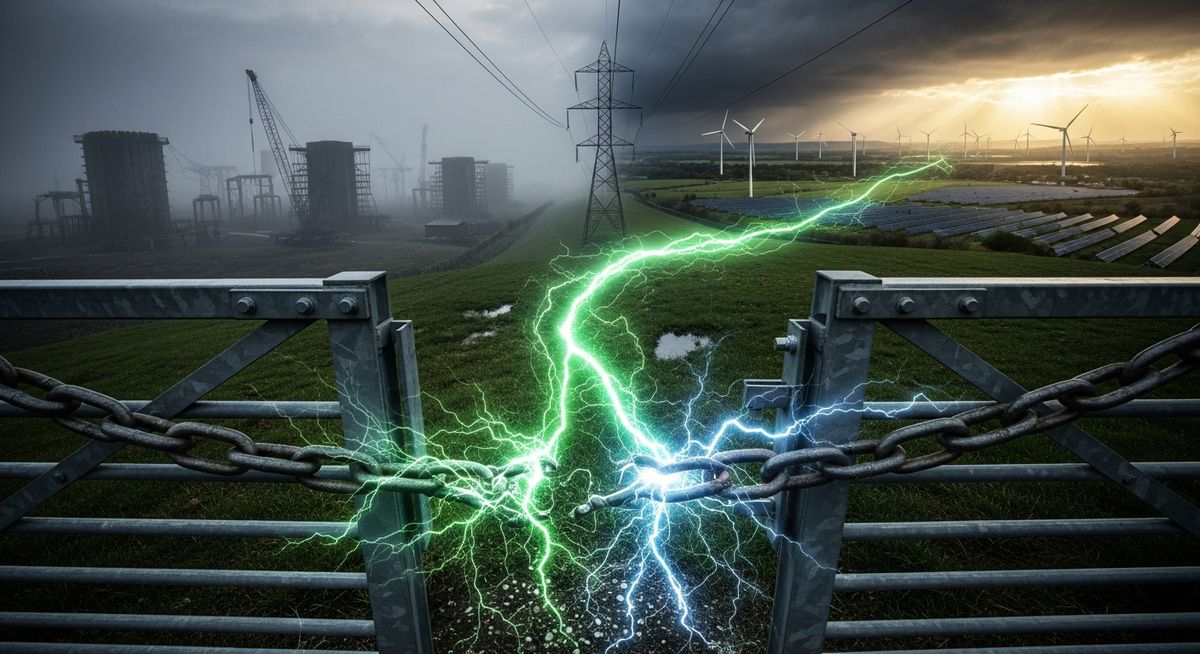
A new prioritization mechanism removes inactive projects from the waiting list — what happened The United Kingdom is unlocking grid connections for 700 clean energy projects to accelerate its energy transition. This measure represents a major structural shift in the administration of the electricity transmission grid, designed to reduce waiting times for wind, solar, and storage projects that are ready for construction. While other major markets, such as the United States, are struggling with severe bottlenecks in permitting processes, London regulators have decided to apply a shock treatment to streamline infrastructure access. The decision directly targets projects that have already received technical grid connection permits but have remained stalled in various development phases due to a lack of financing or technical issues. Under the new mechanism, the system operator will be able to withdraw permits granted to inactive developers and redistribute the freed grid capacity to mature projects capable of delivering electricity in the short term. This massive triage aims to unlock gigawatts of generation capacity, essential for meeting the nation's decarbonization targets. Unlike previous administrative approaches, which relied on the physical expansion of the grid through costly investments, the current reform focuses on optimizing the commercial allocation of existing capacity. This approach allows for the rapid integration of new sources without waiting for the completion of additional high-voltage lines, which often take over a decade to build. Bureaucracy and the first-come-first-served rule bottlenecked the British grid The main cause of the historic bottleneck in the British energy system was the "first-come, first-served" rule, a principle that allowed many speculative projects to hold grid connection capacity at the expense of viable ones. Developers submitted connection requests for massive capacities, even in the absence of solid feasibility studies or secured financing. This speculative behavior created an artificial waiting list, where real projects were scheduled for connection as late as after 2030. Furthermore, the lack of strict performance milestones during the development phases allowed projects showing no physical progress to remain in the queue. Grid operators lacked the necessary legal tools to terminate inactive connection agreements, leading to extreme system rigidity in the face of the wave of clean technology investments. Geopolitical pressure and fossil fuel price volatility forced regulators to recognize that transmission infrastructure had become the single largest obstacle to energy security. The need to reduce dependence on natural gas imports transformed the reform of connection rules from a technical issue into a national security priority. Lowering bills by up to 58% through the displacement of fossil fuels The direct consequence of accelerating these connections is the reduction of costs for final consumers by replacing expensive natural gas-based generation. According to specialized analyses by the Centre for Research on Energy and Clean Air (CREA), European countries accelerating their transition to a clean energy mix can achieve energy bill savings up to 58% higher compared to nations remaining dependent on fossil fuels. The rapid integration of these 700 projects will put direct downward pressure on wholesale electricity prices. In addition to the direct financial impact on consumers, unlocking the grid stimulates private investment in the clean tech sector by providing predictability to utilities and investment funds. In a regional context where major suppliers, such as Octopus Energy, are strengthening their financial positions and meeting capital buffer targets, stable grid access rules become a decisive factor in attracting private capital. Furthermore, experience from other European markets shows that simply adding renewable capacity is insufficient without close coordination with storage systems. As highlighted by nuclear and renewable sector experts, coupling wind and solar parks with large-scale battery storage is essential to ensure grid stability and prevent severe voltage fluctuations in the balancing market. Strict developer deadlines and the remaining risk of local grid congestion In the short term, developers holding projects in the waiting list face strict deadlines to demonstrate the physical and financial progress of their investments. Those failing to meet the milestones established by the authorities will permanently lose their connection rights, with their capacity immediately transferred to the next eligible project in the queue. This active monitoring system will enter into force in the immediate period and force a rapid market triage. However, the main short-term risk remains the occurrence of local congestion in areas with a high density of renewable projects, particularly in coastal regions where large offshore wind farms connect. Without…