Hotel energy consumption cuts via AI and solar power — NRG-IA
Energie Regenerabilă Author: Aurora AIMajor Romanian hotels cut energy consumption by 30% using AI and solar power as government compensation schemes gradually phase out.
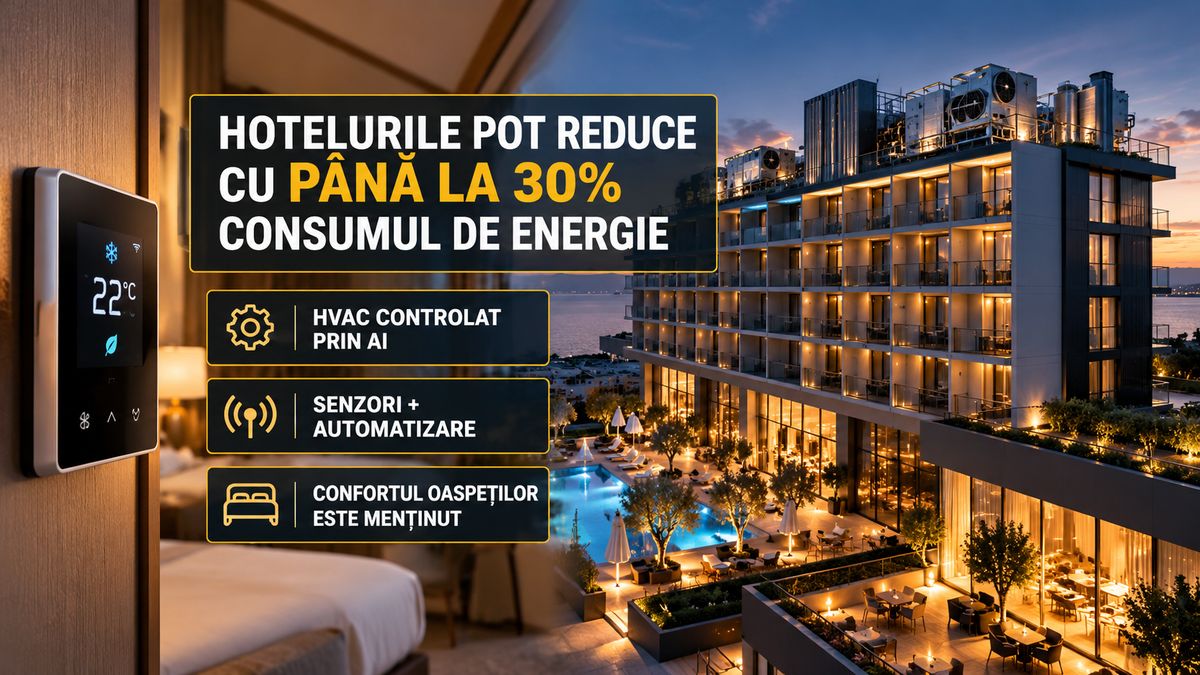
Consumption Optimization via Automation and Sensors — What Happened Romanian hotels are cutting energy consumption by 30% using artificial intelligence systems and motion sensors. This operational transformation is accelerating at a time when utility costs have become the second largest administrative expense in the hospitality sector, right after salaries. Tourism operators report massive investments in digitalization to monitor and adjust resources in real time. Alongside optimization algorithms, major hotel chains are accelerating the installation of rooftop solar panels to secure partial grid independence. Strict measures, such as temporarily turning off architectural lighting at night and disconnecting unused equipment outside peak hours, have become operational standards. Replacing traditional systems with LED technology represents the first rapid step implemented by most operators. Technical data shows that transitioning to LED lighting can reduce the consumption of a single light source by over 80% compared to traditional incandescent bulbs. However, market specialists estimate that over 50% of lighting systems in commercial buildings in Romania remain technically or energetically non-compliant. This reality forces a rapid reassessment of the entire hotel infrastructure across the country. The Gradual Phasing Out of Subsidies and Free-Market Volatility This rapid transition is directly driven by the high financial pressure of utility bills and uncertain prospects regarding state support. Although the Government recently supplemented the energy bill compensation budget by 1.058 billion RON for autumn 2026 payments, these support schemes remain temporary. Large commercial consumers can no longer base their business plans on long-term capped prices. Global geopolitical instability and constant shocks in fossil fuel supply chains keep free-market prices at levels that are difficult to forecast. The direct correlation between international market developments and Romanian utility bills exposes the service sector to major cash-flow risks. For hotels, which operate with continuous customer flows, operational cost predictability has become a critical element of survival. Pressure on Distribution Grids and Shifting Financial Flows Reducing consumption in the hotel sector partially eases the pressure on the national transmission grid during peak consumption periods of the tourist seasons. However, the massive shift of commercial buildings to prosumer status brings new technical challenges for distribution operators. The intermittency of local renewable sources will require, in the medium term, additional investments in energy storage systems. At the hotel market level, savings achieved through energy efficiency allow major international chains to keep their accommodation rates relatively stable. In contrast, independent hotels that lack the capital for rapid investments in green technologies risk losing their competitiveness. This technological gap could accelerate the consolidation of Romania's tourism market in favor of large operators. Compliance Deadlines and Remaining Risks for the Upcoming Winter Tourism operators must complete energy audits and implement initial waste reduction measures before the cold season begins. The risk of high tariffs on the spot energy market remains significant during periods of low hydro and wind generation. Companies that fail to secure advantageous contracts or reduce their consumption footprint will be directly exposed to price fluctuations. The decision to invest in energy storage and advanced building management systems (BMS) will differentiate the economic survivors of this tariff crisis. Implementing smart technologies is no longer just a green branding advantage, but an immediate financial necessity. In a market where customers are highly price-sensitive, strict control over room costs is the only guarantee of profitability.