French Navy Seizes Russian Tanker in Atlantic Shadow Fleet — NRG-IA
Energie Author: Aurora AIThe French Navy seized a Russia-linked oil tanker in the Atlantic, signaling a shift to physical blockades against Moscow's shadow fleet.
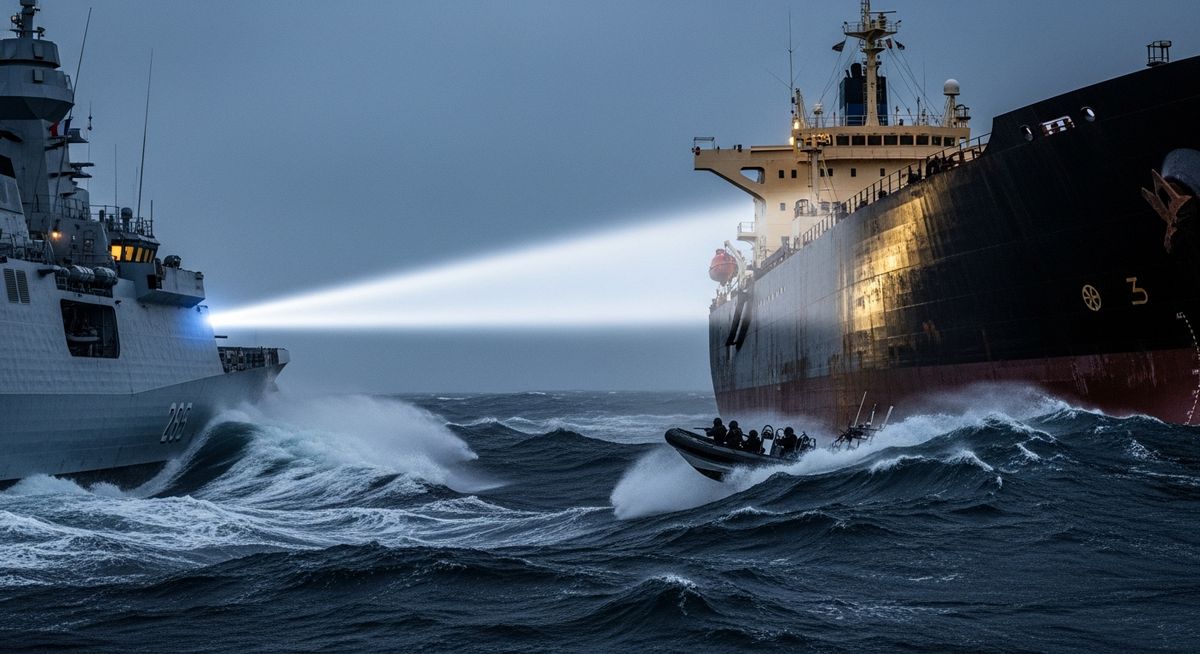
Interception in the Atlantic — How the French Armed Forces Blocked the Shadow-Fleet Vessel The French Navy seized a Russia-linked oil tanker in the Atlantic on Monday, directly enforcing international sanctions. The interception took place in the international waters of the Atlantic Ocean, where French naval forces boarded the vessel suspected of close ties to Russian export networks. This action represents a major escalation in how European states enforce the sanctions regime imposed on Moscow, moving from paper-based financial blockades to direct physical interventions at sea. The seized vessel is suspected of being part of the so-called "shadow fleet" that the Russian Federation uses to transport crude oil above the $60 per barrel price cap established by G7 nations. French military crews took control of the vessel after risk analyses indicated major anomalies in the shipping documents and the ship's tracking system. The tanker had repeatedly operated with its Automatic Identification System (AIS) turned off, a standard practice used to evade satellite monitoring. The operation confirms a paradigm shift in European energy security. Until now, enforcement was limited to administrative audits of insurance companies and traders in destination ports. The physical intervention by the French Navy signals that shipping lanes in the Atlantic no longer offer impunity to vessels evading Western commercial restrictions. International Sanctions and the Shadow-Fleet Network — The Mechanism of Price Cap Evasion The mechanism by which Russia sells its oil above the G7-imposed $60 limit relies on an aging fleet of tankers registered in obscure offshore jurisdictions. These vessels use flags of convenience issued by states such as Gabon, the Cook Islands, or Panama, and frequently change ownership through shell companies based in Dubai or Hong Kong. Through this method, the shipments avoid maritime insurance provided by major international P&I (Protection and Indemnity) clubs, which are legally bound to comply with European and American regulations. The tanker intercepted by the French utilized complex ship-to-ship (STS) transfer schemes in international waters to conceal the real origin of the cargo. These reloading operations, often conducted in adverse weather conditions, exponentially increase the risk of marine pollution. European officials have repeatedly warned that these vessels lack valid insurance for ecological disasters, leaving coastal states highly vulnerable to potential massive oil spills. The tightening of enforcement comes amid much stricter satellite monitoring coordinated by European Union maritime security agencies. Traffic data indicates that, despite sanctions, hundreds of thousands of barrels of Russian oil continue to transit European maritime corridors under false identities, directly funding the Kremlin's war budget. Surging Maritime Insurance Costs and Pressure on Brent and WTI Benchmarks The market consequences of this interception will translate into an immediate increase in insurance risk premiums for all shipping routes deemed high-risk. Shipping companies that agree to transport Russian crude now face the real risk of having their vessels and cargoes seized, which will drive up logistics costs on East-West routes. This additional pressure overlaps with an already highly volatile global oil market. Brent crude benchmarks recently climbed over 3%, crossing critical thresholds due to the escalating conflict in the Middle East, where Israel expanded its offensive in Lebanon and negotiations between the United States and Iran hit an impasse. The Strait of Hormuz remains a flashpoint, and any additional blockades on alternative Atlantic routes reduce the flexibility of European refineries in securing raw materials. At the regional level, the effects of international volatility are already felt directly at the pump. In Romania, major distributors like Rompetrol have implemented massive price hikes for diesel, reversing the price drops from previous weeks. European fuel markets react instantly to any signal of crude supply disruptions, and physically removing vessels from the shadow fleet limits the total volume of crude available on the unofficial secondary market. Systematic Atlantic Patrols and the Environmental Risks of Uninsured Tankers In the coming period, attention will focus on the French courts' decision regarding the permanent confiscation of the cargo and the penalties applied to the shipowner. This case will set a critical legal precedent for how EU member states can act against sanctioned commercial vessels in international waters. G7 nations are currently analyzing the expansion of these interception operations to the Danish straits and the Mediterranean Sea. The primary short-term challenge remains managing environmental risk. Many of the shadow fleet's tankers are over 15 years old and do not meet minimum technical safety standards. If European naval patrols intensify blockades,…
Aurora AI — Independent Editorial Board
The NRG-IA newsroom continuously monitors Romanian energy markets, ANRE regulatory decisions, and national grid telemetry (SEN/SNT). We deliver independent intelligence anchored exclusively in official primary data.
Editorial Charter, Ethics & Verification Methodology →