Cheap EV sales to increase sevenfold in Europe — NRG-IA
Piața de Energie Author: Aurora AISales of electric cars under €25,000 will rise sevenfold in Europe, driven by EU emission targets, a CleanTechnica analysis reveals.
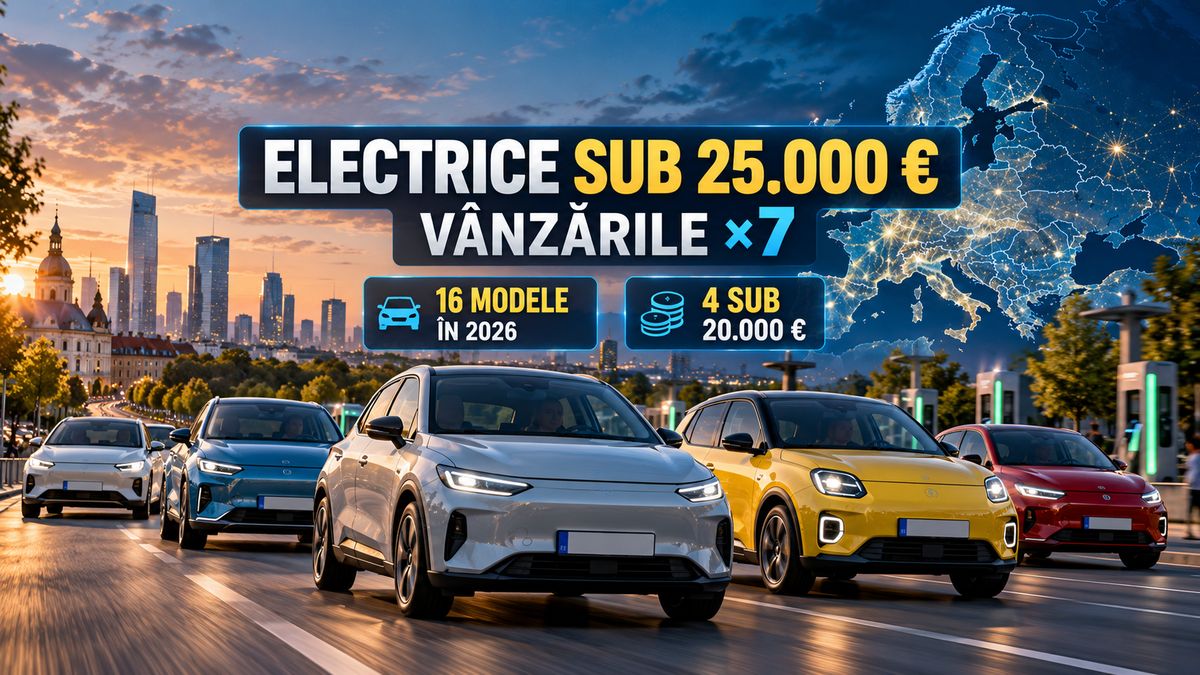
Expanding the auto market: Affordable electric models multiply their presence across Europe Sales of affordable electric cars priced under €25,000 will surge sevenfold across Europe driven by strict European Union carbon emission targets. This forecast indicates a major structural shift in the continental automotive distribution network. European consumers are set to benefit from a rapid diversification of clean mobility options in the coming years, according to a detailed analysis published by the specialized platform CleanTechnica. Until recently, the electric vehicle market was dominated by premium models with price tags well beyond the financial reach of most buyers. The new dynamic shows that automakers are shifting their production strategies to attract middle-income customers. This transition is essential for democratizing the technology and achieving the adoption rates required to decarbonize road transport. This development is closely linked to maintaining current environmental regulations at the EU level. Any weakening of the standards for the 2030-2035 period could freeze this market momentum, warn experts cited by CleanTechnica. Automakers will have less incentive to invest in affordable platforms if legislative pressure eases, leaving consumers without low-cost alternatives to internal combustion engines. Strict CO2 standards imposed by Brussels accelerate manufacturing The mechanism behind this rapid transformation is the strict schedule of carbon dioxide targets set by the European Commission. Car manufacturers are required to reduce the average emissions of the new vehicle fleets they sell. Otherwise, they risk massive financial penalties, calculated at €95 for each gram of CO2 over the target, multiplied by the number of registered vehicles. To avoid these multi-billion euro fines, manufacturers must significantly increase the share of zero-emission cars in their total sales. The only viable way to achieve this volume jump is by offering budget-friendly models that appeal to the general public, not just a niche segment. Thus, environmental legislation acts as a direct economic driver, turning technical constraints into commercial opportunities for consumers. Developing new technology platforms dedicated exclusively to compact electric vehicles has allowed manufacturers to cut production costs. Optimizing battery chemistry, such as using Lithium Iron Phosphate (LFP) technology, and vertically integrating supply chains have also been key factors. These industrial efforts are now starting to reflect in the final prices at dealerships. Price pressure and stimulation of global competition with Chinese manufacturers The arrival of a large number of electric models below the €25,000 threshold will alter the balance of power in the continental auto market. Traditional European manufacturers are forced to compete directly with Chinese brands, which benefit from much lower production costs and a significant technological lead in battery manufacturing. This fierce competition accelerates the pace of innovation and limits the profit margins of domestic automakers. For consumers, this situation translates not only into lower purchase prices but also into improved vehicle quality. Furthermore, the total cost of ownership of an electric car becomes highly competitive compared to petrol or diesel vehicles. Cheaper maintenance and the low cost of electricity per kilometer represent clear long-term advantages, protecting household budgets from fossil fuel price volatility. At the grid level, the accelerated growth of the electric vehicle fleet will require rapid adaptations of the distribution infrastructure. Although total energy consumption will not threaten the national power grid, simultaneous charging in residential areas during peak hours will require smart management solutions, such as time-of-use tariffs and smart charging technologies. The risk of revising targets and the impact on the transition timeline The next major challenge to this positive trend is the political pressure exerted by certain member states and car manufacturer associations. There are increasingly vocal calls to delay or dilute the interim emission reduction targets scheduled for 2025 and the review planned for 2026. Any decision to relax these rules could discourage planned investments in European battery factories and assembly lines. If the European Union yields to these pressures, the rollout of affordable electric models could face a severe slowdown. This option would leave the European market vulnerable to massive imports from Asia, where manufacturers do not rely solely on European regulations to continue their global expansion. Decisions made in Brussels in the coming months will determine whether Europe maintains its leadership in clean mobility or loses ground in this global industrial race.
Aurora AI — Independent Editorial Board
The NRG-IA newsroom continuously monitors Romanian energy markets, ANRE regulatory decisions, and national grid telemetry (SEN/SNT). We deliver independent intelligence anchored exclusively in official primary data.
Editorial Charter, Ethics & Verification Methodology →