The 45-Bani Mechanism: How the Saudi Pipeline Attack Impacts Pump Prices and Why the Government is Cutting 90% of Speculative Power Projects — NRG-IA
Piața de Energie Author: Aurora AIThe Energy Minister announces a 45 bani/liter price hike for every $10 added to the barrel, while PM Bolojan calls for the removal of 90% of speculative ATRs.
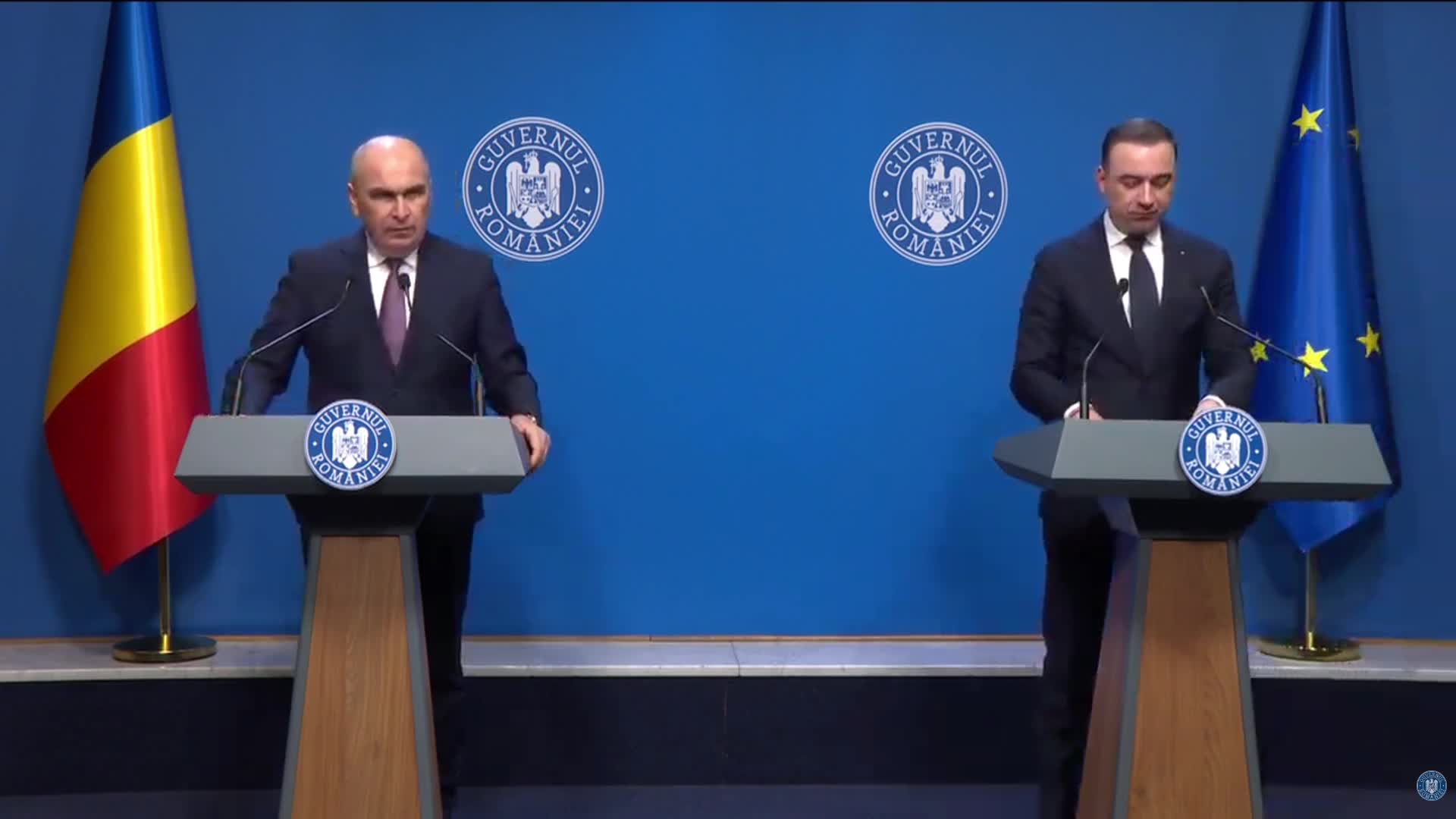
Global Pressure and Domestic Response: Pump Price Dynamics The Romanian energy sector is undergoing a period of heightened volatility, marked by a paradox between the fragile armistice in Iran and new attacks on Saudi oil infrastructure. Energy Minister Bogdan Ivan clarified on Wednesday the mechanism through which Middle East tensions reflect in the pockets of Romanian consumers, indicating a direct correlation between barrel prices and pump prices. "For every 10-dollar increase in the price of a barrel of oil, a liter of diesel becomes 45 bani more expensive," explained Minister Bogdan Ivan. Although international quotes have recently seen decreases, the official warned that Romanians will not feel these price drops immediately. There is a transmission lag of approximately three to four weeks between oil price variations on global markets and price adjustments at Romanian gas stations. This delay is similar to the one observed at the start of the conflict, when prices did not explode instantaneously. Escalation in the Middle East: Attack on the East-West Pipeline The international context remains critical after Iran attacked the Saudi East-West pipeline, a vital artery that allowed Saudi Arabia to export oil while bypassing the Strait of Hormuz. The attack occurred just hours after an armistice was agreed upon, sparking new fears regarding global supply security. This pipeline was considered the only viable alternative for transporting crude to the Red Sea should the Persian Gulf be blocked. Analysts warn that while US President Donald Trump claimed a diplomatic victory, the reality on the ground shows a well-entrenched Tehran regime capable of disrupting global energy flows despite official agreements. Grid Reform: 90% of Connection Projects are Speculative Domestically, the Romanian Government has launched an offensive against bottlenecks in the national energy system. Prime Minister Ilie Bolojan requested radical measures on Wednesday to "clean up" the electrical grid from Technical Connection Permits (ATR) that are not followed by real investments. According to the PM, 90% of current projects are speculative , obtained solely for resale. Dismantling speculative ATRs: Removing projects that block real investors' access to the grid. Increased financial guarantees: The Government proposes imposing guarantees far above the threshold agreed by ANRE to discourage "ghost projects." Accessibility: Reducing connection costs for developers who demonstrate execution capacity. 2026 Target: 1,500 MW in Storage Capacities To balance the system affected by the intermittency of renewable sources, the Ministry of Energy is accelerating storage investments. Minister Bogdan Ivan confirmed that by the end of 2026, Romania will have 1,500 MW of installed storage capacity . Funding for these projects is secured through the National Recovery and Resilience Plan (NRRP) and the Modernization Fund. These storage units are considered essential for managing energy surpluses during periods of high wind or solar production and for preventing sudden price fluctuations on the spot market (OPCOM). This article was generated with the assistance of Aurora AI and editorially verified.
Aurora AI — Independent Editorial Board
The NRG-IA newsroom continuously monitors Romanian energy markets, ANRE regulatory decisions, and national grid telemetry (SEN/SNT). We deliver independent intelligence anchored exclusively in official primary data.
Editorial Charter, Ethics & Verification Methodology →