Clean energy investment surge vs fossil fuels — NRG-IA
Piața de Energie Author: Aurora AIGlobal investments in clean energy hit record highs but fail to stop fossil fuel expansion due to grid bottlenecks and rising power demand.
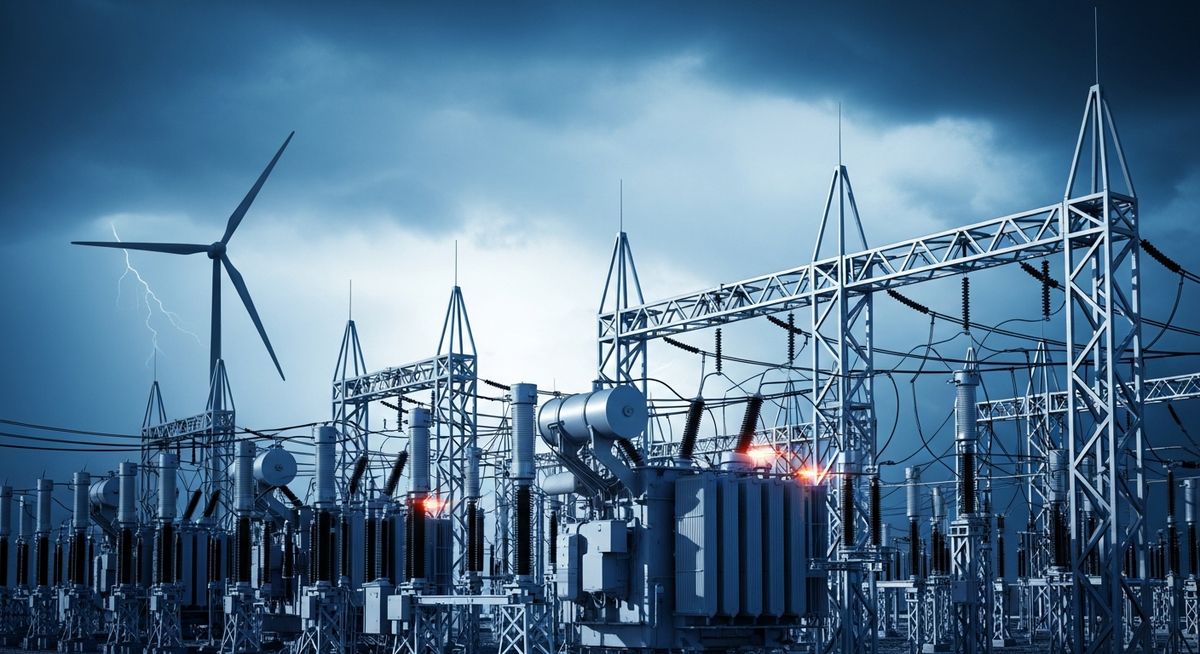
Record capital in renewables clashes with fossil fuel resilience — what happened Global investors directed record funds into clean technologies in 2026, yet this massive capital infusion is failing to stop the rise in hydrocarbon consumption. In an analysis published by CleanTechnica, the founder of We Don't Have Time, Ingmar Rentzhog, warns that the energy transition faces a major structural paradox. Although private capital flows have shifted decisively toward wind, solar, and storage, global infrastructure cannot absorb this rapid pace of development. Market data shows an unprecedented acceleration of green projects in the financing stage, exceeding conservative estimates from previous years. However, simple capital allocation does not automatically translate into the immediate shutdown of polluting power plants. Global energy consumption is growing faster than the capacity of new green installations to cover the additional demand. Consequently, power grids continue to rely on coal and gas to maintain national system stability during peak periods. Furthermore, the gap between investment decisions and the actual commissioning of renewable projects has doubled over the past three years. This delay is primarily caused by shortages of critical equipment, such as high-voltage transformers, and administrative bureaucracy related to obtaining permits. As a result, billions of dollars locked in unfinished projects are not yet generating clean power for the grid, leaving existing fossil fuel plants to operate at full capacity. The analysis highlights that the financial success of the renewable sector represents only one part of the global decarbonization equation. Without a direct correlation between installing new capacity and the controlled retirement of polluting assets, carbon dioxide emissions continue to remain at a high level. This reality contradicts the simplistic optimism of purely financial investment reports. Hidden subsidies and the massive power demand from artificial intelligence data centers The primary driver of this market anomaly is the persistence of direct and indirect fossil fuel subsidies globally. While private investors prefer green assets due to stable long-term yields, governments continue to artificially subsidize gas and coal prices to protect consumers from extreme price volatility. This mechanism distorts commercial signals in wholesale markets and keeps uncompetitive assets alive. Another critical pressure factor is the emergence of massive new industrial consumers, particularly data centers dedicated to artificial intelligence and semiconductor manufacturing plants. These consumers require stable, baseload power 24 hours a day, which intermittent renewable sources cannot guarantee without massive battery storage systems. To meet this urgent and continuous demand, grid operators are forced to extend the lifespan of gas-fired power plants. This dynamic creates fierce competition in the balancing resources market. Solar and wind projects, though cheap in terms of marginal production costs, cannot compete directly in the reserve capacity market without adequate storage infrastructure. Thus, the fossil fuel sector indirectly benefits from the rapid green expansion, becoming the guarantor of last resort for global energy system stability. Rising grid tariffs for consumers and the growing risk of curtailment For final consumers, this gap translates directly into higher electricity bills, despite falling production costs for solar and wind. Transmission and distribution operators are forced to make massive investments in grid expansion and digitalization to handle distributed green energy, costs that are passed directly into regulated distribution tariffs. Consequently, the grid component of the bill rises faster than the commodity price of energy falls. Additionally, curtailment—the voluntary or forced shutdown of green production during periods of oversupply—has become a frequent practice in the absence of local and regional storage capacity. Green energy producers lose significant revenue when the grid cannot physically absorb their output. These unforeseen financial losses increase the default risk for bank loans taken out by developers, straining specialized financial markets. This situation also affects industrial consumers, who face extreme price volatility on spot markets. During hours of peak solar production, prices can drop below zero, but in the evening hours, when green production disappears, prices skyrocket due to the startup of gas-fired plants. This structural instability complicates budget planning for large energy consumers. Infrastructure deadlines and the risk of financial gridlock in 2027 The next critical threshold will occur at the end of 2026 and throughout 2027, when several government support schemes and tax incentives in Europe and the United States are set to expire. Without an immediate acceleration of investments in high-voltage transmission lines and…