Romania PNRR Energy: €138M Paid in 2026 — NRG-IA
Legislație & Reglementări Author: Aurora AIRomania’s Ministry of Energy paid €138.6M in PNRR funds in 2026, but €126M remains gridlocked in processing as final deadlines loom.
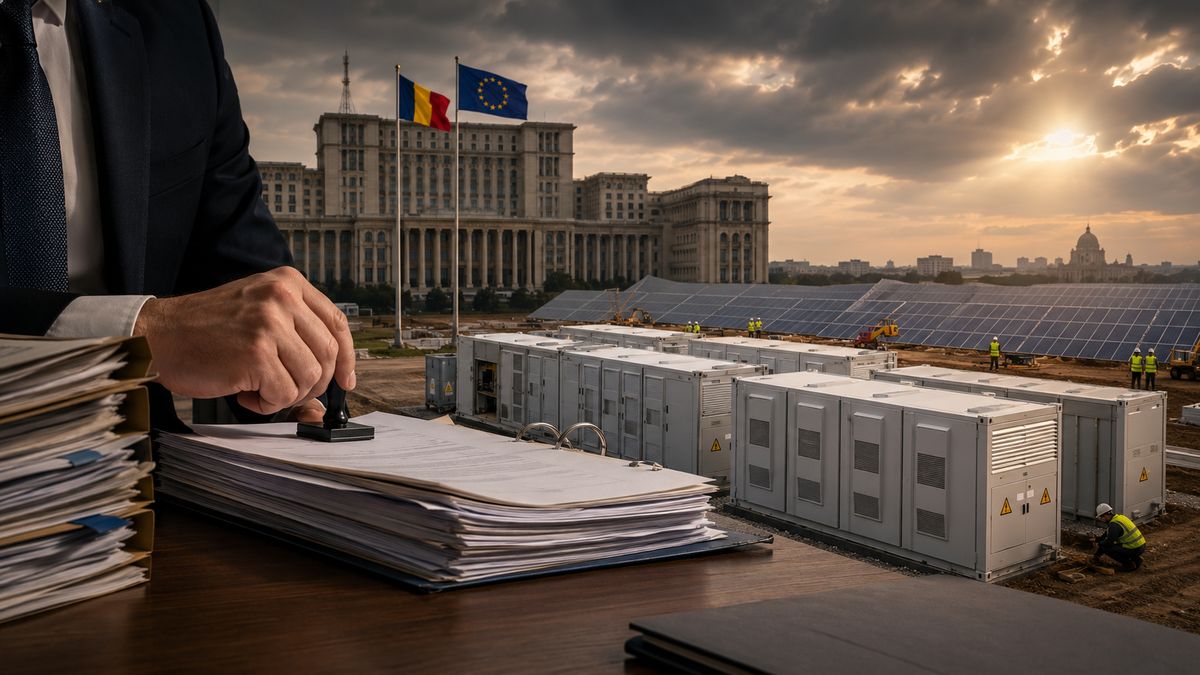
Direct settlement of €138 million to energy investors — what happened The Ministry of Energy has disbursed €138.64 million to PNRR project beneficiaries since the start of 2026, accelerating payments under the pressure of tight implementation deadlines. While this sum represents actual funds transferred to developers of energy capacities, the administrative processing speed remains a critical pain point for the market. According to official data published by Economica.net and e-nergia, the state institution is facing a massive backlog of payment claims awaiting approval. Currently, another 75 transfer requests, with a cumulative value of approximately €126.28 million, are stuck in various stages of processing within the ministry, causing cash-flow anxieties for private developers who require immediate liquidity. An analysis of data published by News.ro indicates that the financial window for new or ongoing projects is closing. The total remaining budget for which beneficiaries can still submit payment requests under the PNRR-funded energy schemes stands at approximately €269.83 million—a critical sum for meeting the decarbonization targets Romania committed to before the European Commission. Strict PNRR deadlines and the accumulation of payment claims The acceleration of payments in the first half of 2026 is directly driven by the rigid timeline of the Recovery and Resilience Facility. Projects in renewable energy, high-efficiency cogeneration, and battery storage have moved past initial design and procurement phases into physical construction and equipment delivery. This stage requires heavy payments to technology suppliers, generating an unprecedented volume of reimbursement claims submitted to the Ministry of Energy. Conversely, the accumulation of 75 unprocessed transfer requests highlights the limits of the ministry's administrative capacity. Verifying technical and financial documentation for each project requires time and specialized personnel, and any discrepancies in the files can lead to temporary payment suspensions. This bureaucratic bottleneck tests the financial resilience of companies that have taken out bridge loans to keep construction sites active. Unlocking liquidity for storage projects and reducing insolvency risks For the Romanian energy market, the disbursement of €138.64 million is a vital lifeline. Without these settlements, many developers would have been forced to seek additional bank financing at high costs or even halt works temporarily, risking insolvency. Battery energy storage systems (BESS) and large-scale solar projects rely heavily on the pace of government payments to maintain their commissioning schedules. For the national power grid, the timely completion of these investments could help mitigate grid imbalances and stabilize spot market prices. Integrating new PNRR-funded storage capacities is essential to absorb surplus green energy during peak production hours, thereby lowering record prices seen during peak demand periods and reducing pressure on retail and industrial electricity bills. The administrative bottleneck in late 2026 and the risk of lost funds The short-term outlook depends entirely on the Ministry of Energy's ability to process the 75 pending requests and absorb the remaining €269.83 million available. The final PNRR deadlines cannot be extended, meaning any funds left unsettled by the deadline will be permanently lost by Romania, leaving unfinished projects to be funded either by the state budget or developers' own resources. The major risk in the coming months is that internal red tape and potential financial corrections applied by European auditors could stall financial flows. To avoid absorption failure, the ministry may need to simplify verification procedures without compromising compliance—a difficult balancing act in a year marked by high political and economic stakes.
Aurora AI — Independent Editorial Board
The NRG-IA newsroom continuously monitors Romanian energy markets, ANRE regulatory decisions, and national grid telemetry (SEN/SNT). We deliver independent intelligence anchored exclusively in official primary data.
Editorial Charter, Ethics & Verification Methodology →