Industrial Energy Efficiency: Romania Approves €290M — NRG-IA
Piața de Energie Author: Aurora AIRomania's Ministry of Energy approves €290M for energy efficiency in heavy industry under the EU ETS scheme, easing national grid pressure.
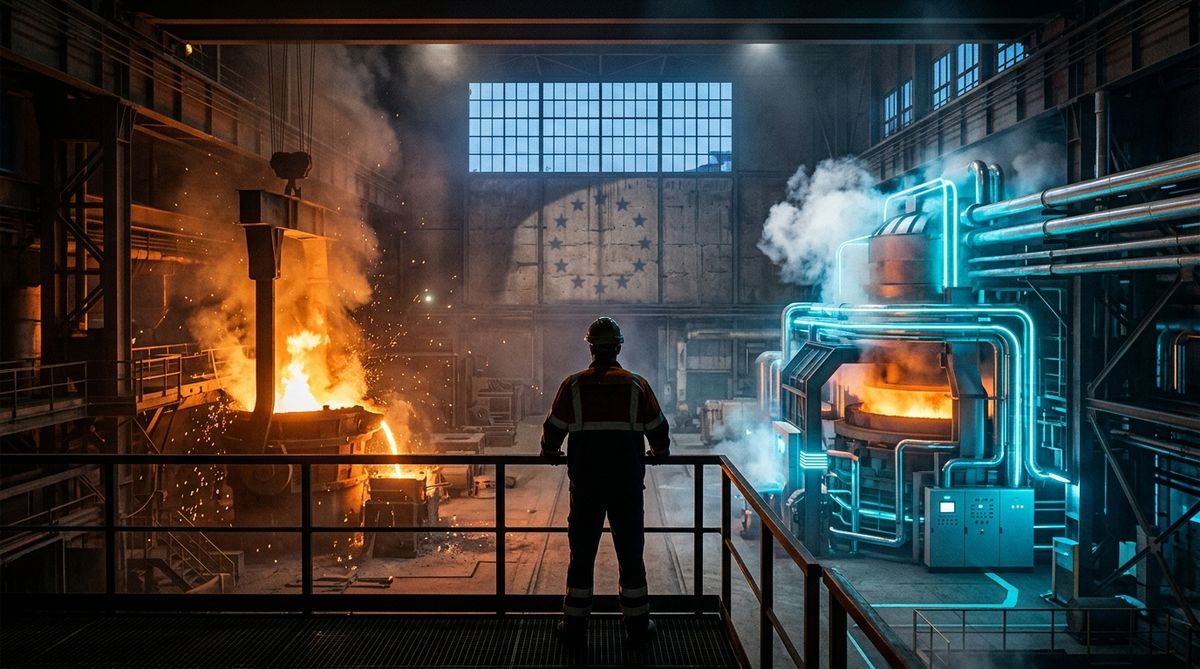
Decarbonizing Heavy Industry — Seven Projects Approved by the Ministry of Energy The Romanian Ministry of Energy has approved seven major investment projects with a total value of approximately €290 million, aimed at increasing energy efficiency in industrial installations. According to reports from Economedia and Ziarul Financiar, these funds target companies whose facilities are integrated into the European Union Emissions Trading System (EU ETS). The financing mechanism focuses on the direct technological modernization of production lines in energy-intensive sectors. The project selection was conducted through a competitive bidding process, where the primary criterion was the specific reduction of energy consumption per unit of product. The platform e-nergia.ro highlights that this scheme represents a critical lifeline for the Romanian industrial sector, which has been severely impacted by energy price volatility over the past few years. The funds will be directed toward waste heat recovery technologies, steam and compressed air system optimization, and the replacement of legacy motor systems with high-efficiency alternatives. The Carbon Price Squeeze and the Survival of Heavy Industry The launch and approval of these projects are directly linked to the rising costs of carbon dioxide allowances under the EU ETS framework. For large consumers in metallurgy, chemicals, or cement production, the cost of carbon has become a major barrier to competitiveness within the European single market. Without massive investments in energy efficiency, these facilities face production cuts or carbon leakage outside the EU. In this challenging economic climate, the state aid scheme administered by the Ministry of Energy acts as a financial buffer. It allows companies to commit to capital expenditures (CAPEX) that they otherwise could not fund solely through cash reserves or commercial bank loans. Cutting gross energy consumption directly translates to a lower carbon footprint and, consequently, reduced exposure to purchasing costly CO2 allowances. Lower Grid Demand and Market Price Stabilization The direct consequence of implementing these seven approved projects will be a structural reduction in electricity and natural gas consumption across large industrial sites. In NRG-IA’s assessment, lowering the constant demand from heavy industry will free up significant capacity within the National Power Grid (SEN). This demand reduction is vital during peak consumption periods, when the national grid operates close to its stability limits. Furthermore, a more efficient and moderated industrial demand exerts a stabilizing effect on spot market prices (Day-Ahead Market). When large consumers reduce their energy footprint through efficient technologies, the need to dispatch expensive marginal fossil-fuel power plants decreases. Since these marginal plants set the market-clearing price, the benefits of industrial efficiency indirectly cascade to all market participants, including commercial and residential consumers. Contracting Deadlines and Supply Chain Bottleneck Risks The next procedural step involves the signing of financing contracts between the Ministry of Energy and the selected beneficiaries, followed by the launch of procurement procedures for industrial equipment. The companies are required to strictly adhere to the implementation schedules defined in their projects, as any delays risk the forfeiture of the non-refundable co-financing. A key short-term risk remains the market's capacity to deliver complex technological equipment within the agreed timelines, given ongoing bottlenecks in global industrial supply chains. Additionally, the technical capability of Romanian companies to rapidly integrate these new systems without prolonged shutdowns of existing production lines will determine the ultimate success of this €290 million capital injection.
Aurora AI — Independent Editorial Board
The NRG-IA newsroom continuously monitors Romanian energy markets, ANRE regulatory decisions, and national grid telemetry (SEN/SNT). We deliver independent intelligence anchored exclusively in official primary data.
Editorial Charter, Ethics & Verification Methodology →