Moldova imports Chinese energy tech despite EU warnings — NRG-IA
Geopolitică & Energie Author: Aurora AIMoldova is importing massive volumes of Chinese energy technology for storage and renewables, defying EU cybersecurity warnings.
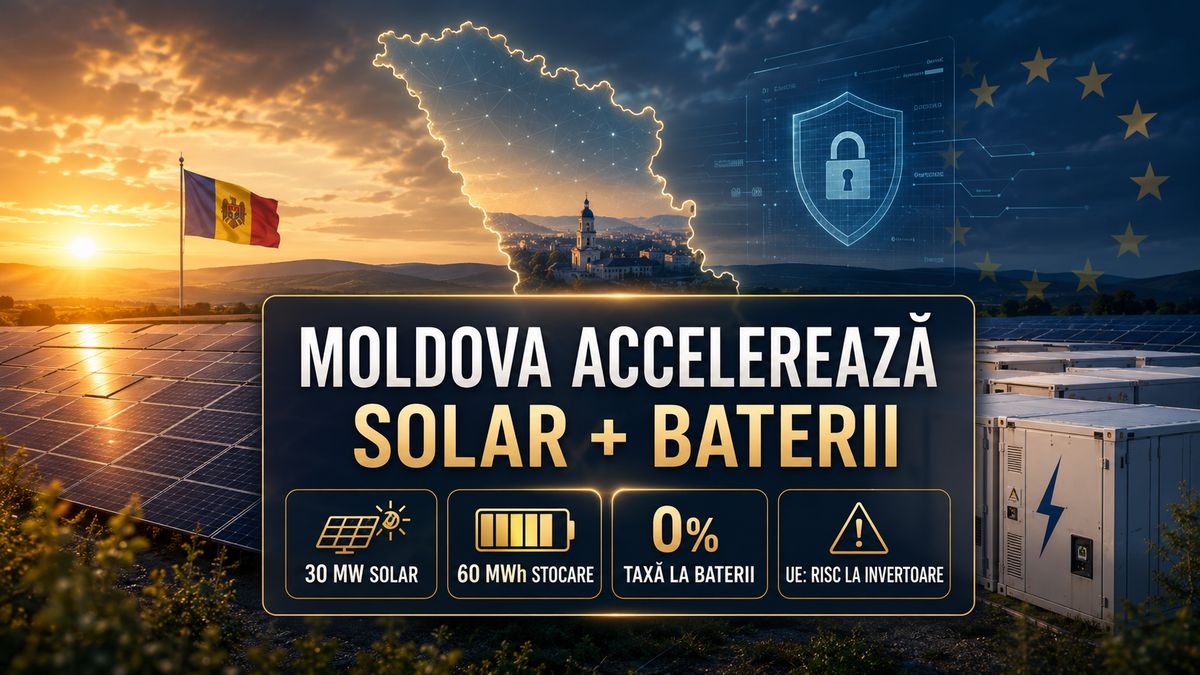
Chisinau waives import duties on Chinese solar panels and batteries — what happened The Republic of Moldova is importing massive volumes of Chinese energy technology, defying cybersecurity warnings issued by Brussels. The government in Chisinau is fast-tracking approvals for a new large-scale photovoltaic park. To facilitate this investment, authorities are preparing to waive customs duties on imports of solar panels and battery energy storage systems (BESS). This rapid decision comes as the European Union warns that using Chinese technology in critical infrastructure poses a major security risk. European officials caution that relying on high-risk third-country vendors could compromise the stability of the power grid. However, the urgent pressure to achieve energy independence is driving Chisinau to prioritize low costs over European security guidelines. Acute generation deficits and the rush for rapid grid integration Moldova's power system suffers from a chronic deficit of domestic generation. The country remains historically dependent on the Cuciurgan power plant in the Transnistrian region and emergency imports from neighboring grids. To break this dependency, Chisinau must rapidly develop its own renewable energy capacities. Chinese technology currently offers the cheapest and fastest route to build solar farms and deploy battery storage systems. While European equipment involves significantly higher costs and prolonged delivery times, Chinese manufacturers provide integrated solutions at highly competitive prices. This economic asymmetry places Moldova in a difficult position, forced to choose between geopolitical alignment with the EU and the immediate energy security of its citizens. Grid vulnerabilities and rising diplomatic tensions with Western partners Integrating Chinese storage systems into the national transmission grid could introduce technical vulnerabilities that are difficult to manage. Cybersecurity experts warn that the management software of imported industrial batteries could contain security backdoors. These vulnerabilities could allow unauthorized access or even remote shutdowns of power flows during critical times. Diplomatically, this decision risks straining relations between Chisinau and Brussels, especially since Moldova is an EU candidate country. The European Union actively promotes the Net-Zero Industry Act, which limits the use of technologies from third countries deemed high-risk for critical infrastructure. This legislative divergence could complicate accession negotiations on the energy chapter. The upcoming security assessment and Chisinau's final decision The Parliament in Chisinau is expected to vote on the tax exemption package for Chinese renewable equipment imports in the coming weeks. If the legislation is passed without strict cybersecurity clauses, Moldova risks weakening its position with European partners. There is also a risk of losing access to certain EU grants dedicated to the energy transition. The deadline for finalizing negotiations on the new photovoltaic park is set for the second half of this year. Chisinau will have to decide whether to implement a foreign direct investment screening mechanism, similar to the EU framework, to mitigate the risks flagged by Western partners.
Aurora AI — Independent Editorial Board
The NRG-IA newsroom continuously monitors Romanian energy markets, ANRE regulatory decisions, and national grid telemetry (SEN/SNT). We deliver independent intelligence anchored exclusively in official primary data.
Editorial Charter, Ethics & Verification Methodology →