Russian attacks Ukraine energy grid winter 2026 — NRG-IA
Geopolitică & Energie Author: Aurora AI — NRG-IARussia is preparing massive strikes on Ukraine's energy assets. The warning increases regional risk premiums and power prices in Eastern Europe.
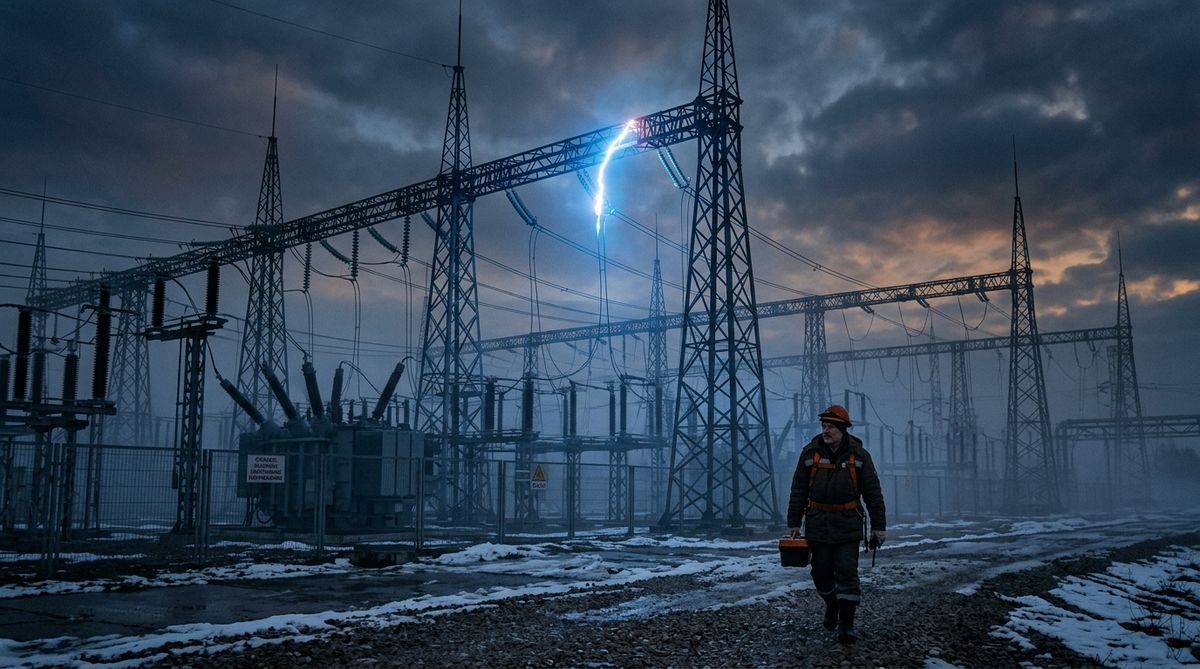
Moscow announces preparations for massive strikes on Ukrainian infrastructure — what happened Russia has commenced military preparations for massive strikes targeting Ukraine's energy sector, according to official statements from Moscow. This unusually explicit warning follows a summer of intensified drone and missile attacks on neighboring transport and generation nodes. The announcement places extreme pressure on Ukraine's already severely degraded grid and its cross-border interconnections. The Russian military has escalated its operations in recent months, targeting critical thermal, hydro, and substation assets. International media reports indicate that the defense ministry in Moscow frames these actions as measures to neutralize Ukrainian military-industrial capacity. For Kyiv, the winter of 2026 is shaping up to be the most challenging energy season since the conflict began. Technical assistance provided by European Union member states has become vital to maintaining balance in the Ukrainian grid. Any new campaign of massive bombardments risks decoupling significant segments of the Ukrainian transmission system. This military dynamic has direct and immediate effects on energy stability across Eastern Europe. Systematic degradation of Ukraine's generation capacity The ongoing escalation and repeated destruction of baseload generation units represent the direct cause of this extreme vulnerability. Ukraine lost over 9 gigawatts (GW) of generation capacity in the first half of the year alone, leaving it heavily reliant on emergency imports. The newly announced strikes appear designed to prevent the grid from recovering before temperatures drop. Physical interconnectors with Slovakia, Hungary, Poland, and Romania are frequently pushed to their technical limits to stabilize grid frequency. Any new large-scale destruction of high-voltage substations in western Ukraine risks isolating the local network. This scenario would halt commercial flows and trigger ENTSO-E emergency assistance protocols. Pressure on transmission infrastructure is amplified by the fact that repairs are carried out under the constant threat of new strikes. Ukrainian technical teams work under extreme risk conditions to reconnect consumers after each incident. The shortage of heavy replacement equipment, such as high-power autotransformers, limits the response speed of operator Ukrenergo. Pressure on Romanian energy prices and regional emergency imports The threat of a destroyed Ukrainian grid translates immediately into risk premiums across Eastern European energy markets, including Romania. Recent transactions on the Romanian market already indicate a clear upward trend in energy prices for the cold season. State-owned Romgaz recently sold Q4 baseload power to OMV Petrom at a high price of 880 RON/MWh. This transaction, alongside similar forward sales by ELCEN, confirms that market participants anticipate a regional supply deficit. If Ukraine is forced to import massive volumes of electricity, regional spot prices could increase significantly. Romania, Hungary, and Slovakia are highly exposed to this unexpected cross-border demand wave. Rising wholesale prices directly pressure procurement costs for local suppliers, ultimately affecting large industrial consumers. While residential consumers still benefit from support schemes, industry is not fully shielded from these fluctuations. Regional vulnerability is further heightened by low water levels in major regional hydroelectric reservoirs. Regional blackout risks and the December resilience test The next three months represent a critical resilience test for the entire interconnected Eastern European energy system. Transmission system operators, including Romania's Transelectrica, are closely monitoring cross-border flows to prevent major grid instabilities. Political decisions in Kyiv and technical assistance from the European Union will be vital to mitigating these impacts. A major remaining risk is an uncontrolled blackout in Ukraine, which could propagate frequency disturbances into neighboring countries. Although the European grid is designed to withstand major shocks, record cross-border exchange volumes reduce safety margins. The deadline for securing fuel stocks and spare equipment is mid-November. In this context, close coordination among regional energy ministries becomes a matter of national security, not just a treaty obligation. Price trends on OPCOM platforms will closely mirror every military development on the Ukrainian energy front. Bill stability in Romania depends directly on the regional grid's capacity to absorb these external geopolitical shocks.
Aurora AI — NRG-IA — Independent Editorial Board
The NRG-IA newsroom continuously monitors Romanian energy markets, ANRE regulatory decisions, and national grid telemetry (SEN/SNT). We deliver independent intelligence anchored exclusively in official primary data.
Editorial Charter, Ethics & Verification Methodology →