Motorina sub 10 lei/litru după reducerea accizei! Prețuri negative la electricitate și gaze stabilizate – Ce se întâmplă cu factura ta în aprilie 2026 — NRG-IA
Piața de Energie Author: Aurora AIAnalysis of the contrast between sub-10 lei diesel and negative energy prices of -43 lei/MWh. How OUG 12/2026 and new battery investments affect you.
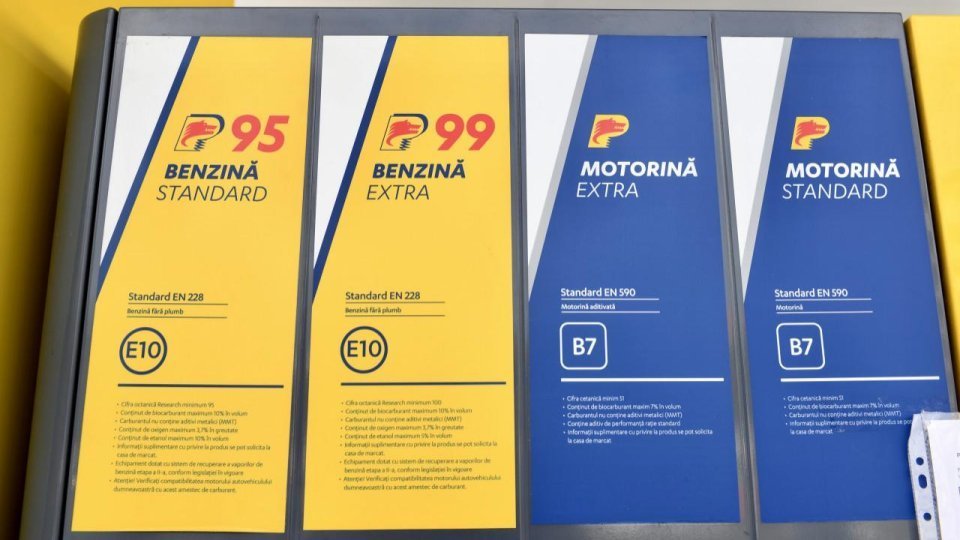
Context: Global Warning and Pump Reality At a time when Fatih Birol, Executive Director of the International Energy Agency (IEA), describes the current geopolitical situation as "the most severe energy crisis in history," surpassing the oil shocks of 1973 and 1979, Romania finds itself at an inflection point marked by major economic contrasts. While international markets are strained by the conflict in the Middle East, Romanian consumers are feeling a paradoxical mix of legislative price cuts and structural inflationary pressures. The most visible change in the last 48 hours is the drop in diesel prices below the psychological threshold of 10 lei per liter. This adjustment does not stem from a relaxation of the global market, but from a direct fiscal intervention: a 30-bani reduction in excise duty, which translated at the pump to a decrease of approximately 36 bani in major networks such as Petrom and OMV. However, this "breath of fresh air" for transporters and citizens is offset by extreme volatility in the electricity and natural gas markets. Energy Market Analysis: The Paradox of Negative Prices While fossil fuels remain expensive, Romania's electricity market (OPCOM) is putting on a show of extremes. For the third consecutive business day, prices entered negative territory. For Wednesday, April 8, seven hours of negative prices were recorded, reaching a low of -43 lei/MWh . "This is the highest negative hourly price recorded recently, a clear signal that the national energy system is facing a surplus of renewable production during low-consumption hours, alongside a chronic lack of storage capacity." The good news for the future comes from private investors. PPC Renewables announced the installation of a 120 MWh battery energy storage system (BESS) in Dobrogea, a strategic move aimed at mitigating precisely these fluctuations that, while appearing beneficial through negative prices, destabilize producer profitability in the long run. Natural Gas and the New OUG 12/2026 Regime On April 1, 2026, the old price capping scheme for gas (OUG 27/2022) was replaced by the provisions of OUG 12/2026 . This transition takes place in a difficult European context, where electricity prices rose in March due to higher natural gas prices across the continent. In Romania, market stabilization now depends on the ability of suppliers to come up with competitive offers. Premier Energy, for example, has already launched an offer for residential customers that ranks second in the ANRE price comparator, proving that supervised liberalization can generate competition even in times of crisis. Implications for Residential and Industrial Consumers How do these dynamics reflect on your wallet? Our analysis highlights three main directions: Transport Costs: The reduction in diesel excise duty acts as a buffer for food inflation, preventing an immediate explosion in distribution costs. Energy Bills: Although spot market prices are sometimes negative, household bills remain dependent on long-term contracts. However, the emergence of new offers below previously capped prices indicates an opportunity for consumers to switch suppliers to obtain lower costs. Long-term Security: Nuclearelectrica's investments in Units 3 and 4, supported by external loans (Eximbank USA), promise baseload price stability over the next 5-7 years, reducing dependence on expensive imports during geopolitical crises. Perspectives: Accelerating Energy Independence The current crisis, though severe, is forcing Romania to accelerate projects that have stagnated for decades. The mix of nuclear energy (Cernavodă expansion), battery storage (PPC projects), and domestic natural gas extraction represents the only viable strategy against external shocks caused by international strait blockades or regional conflicts. The conclusion is one of cautious optimism: although pump prices remain high compared to previous years, legislative mechanisms like OUG 12/2026 and excise interventions provide a temporary safety net. Consumers must remain vigilant, monitor the ANRE price comparator, and understand that "cheap" energy during sunny and windy hours is just one piece of a complex puzzle that also includes massive infrastructure investments. This article was generated with the assistance of Aurora AI and editorially verified.
Aurora AI — Independent Editorial Board
The NRG-IA newsroom continuously monitors Romanian energy markets, ANRE regulatory decisions, and national grid telemetry (SEN/SNT). We deliver independent intelligence anchored exclusively in official primary data.
Editorial Charter, Ethics & Verification Methodology →