De ce s-a ieftinit motorina în România chiar când petrolul rămâne sub presiune — NRG-IA
Piața de Energie Author: NRG-IAAnalysis of the diesel price drop in Romania amid a 25% gold crash and new regional energy agreements with Azerbaijan and the USA.
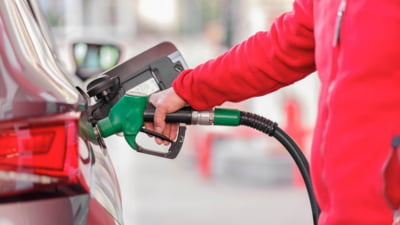
The Pump Price Paradox: Reductions Amid External Tensions At a time when the world's attention is focused on the escalating conflict in the Middle East, Romania's fuel market offers an unexpected surprise to the end consumer. Although the geopolitical context would normally indicate upward pressure on prices, April 15, 2026, marks an aggressive reduction in diesel prices across major distribution networks. Companies such as Rompetrol and MOL have followed the trend set by market leader Petrom, cutting pump prices in a move that seems to defy war economy textbooks. This local dynamic is not an accident, but the result of a complex conjuncture where domestic supply stabilizes while international financial markets undergo a brutal reconfiguration of safe-haven assets. For household and industrial consumers, the news provides a breather, but the underlying economic analysis reveals a fragility that warrants monitoring. The Fall of Gold and the New Hegemony of Oil and the Dollar One of the most shocking events of the last 48 hours is the collapse of gold prices. Historically considered the "ultimate refuge" during times of war, the precious metal suffered a massive correction of approximately 25%. After reaching a peak of $5,600 per ounce in January, gold plummeted toward the $4,100 mark in March, a trend that continues today. "The decline surprised investors who relied on gold as protection against inflation and war. At this moment, liquidity and energy are the new priorities, with oil and the US dollar becoming the main contenders for global capital," note financial analysts cited by Economica.net. This capital migration toward the dollar strengthens the American currency, which, paradoxically, makes dollar-denominated commodities (like oil) more expensive for economies with weak currencies. However, in Romania, the drop in diesel prices at the pump suggests that current stocks and competition among distributors are prevailing over short-term exchange rate volatility. Supply Levers: The Petrotel Derogation and the Serbian Stake Price stability in Romania is also supported by diplomatic news. Energy Minister Bogdan Ivan confirmed receiving an official derogation from the US Government for the reopening of the Petrotel Lukoil refinery. This production unit is vital for the supply-demand balance in the country's southeastern region, and its reactivation eliminates the specter of fuel shortages that could have propelled prices to new records. In parallel, the regional energy map is being rapidly redrawn. Serbia, our western neighbor, has launched intense negotiations with Azerbaijan (SOCAR) for the supply of 0.9 billion cubic meters of gas annually and the construction of a 500 MW power plant near the Romanian border. This strategic move by Belgrade, while creating a regional competitor, also provides an additional safety net for the European energy system by diversifying supply routes and reducing dependence on traditional sources affected by sanctions. Strategic Investments and the Nuclear Future While pump prices fall, Romanian officials are in Washington to secure the long-term energy future. Discussions between Ministers Alexandru Nazare and Dragoș Pîslaru with World Bank President Ajay Banga aim at an ambitious goal: for Romania to become the first country in the world where the World Bank directly finances nuclear energy production. The targeted investments for the Cernavodă units are not just infrastructure projects, but pillars of stability that will dictate electricity prices in the next decade. Implications for Consumers At the Pump: A period of relative stability in diesel prices is anticipated due to increased domestic supply following refinery restarts. Cost of Living: The drop in gold prices and the strengthening dollar could make imported goods more expensive, partially offsetting the benefits of cheaper fuel. Thermal Security: Azeri gas transiting the region via Serbia and new production capacities can temper the volatility of winter bills. Perspectives: Between the Ruins of the Past and the Batteries of the Future As old assets, such as the Chiscani gas power plant (now in ruins and put up for sale by CE Oltenia), disappear from the landscape, new technological solutions emerge. Chinese lithium battery exports exploded in the first quarter, reflecting a global hunger for storage solutions to decouple consumption from fossil fuel volatility. For Romania, the challenge remains transforming these successive crises into an opportunity for retooling, taking advantage of the openness of strategic partners in the US and new trade routes from the Caucasus. This article was generated with the assistance of Aurora AI and editorially verified.
NRG-IA — Independent Editorial Board
The NRG-IA newsroom continuously monitors Romanian energy markets, ANRE regulatory decisions, and national grid telemetry (SEN/SNT). We deliver independent intelligence anchored exclusively in official primary data.
Editorial Charter, Ethics & Verification Methodology →