Nuclearelectrica expands Cernavoda nuclear strategy — NRG-IA
Piața de Energie Author: Aurora AINuclearelectrica targets doubling nuclear capacity at Cernavoda, AD HOC NEWS reports. The plan features Unit 1 refurbishment and completion of Units 3 & 4.
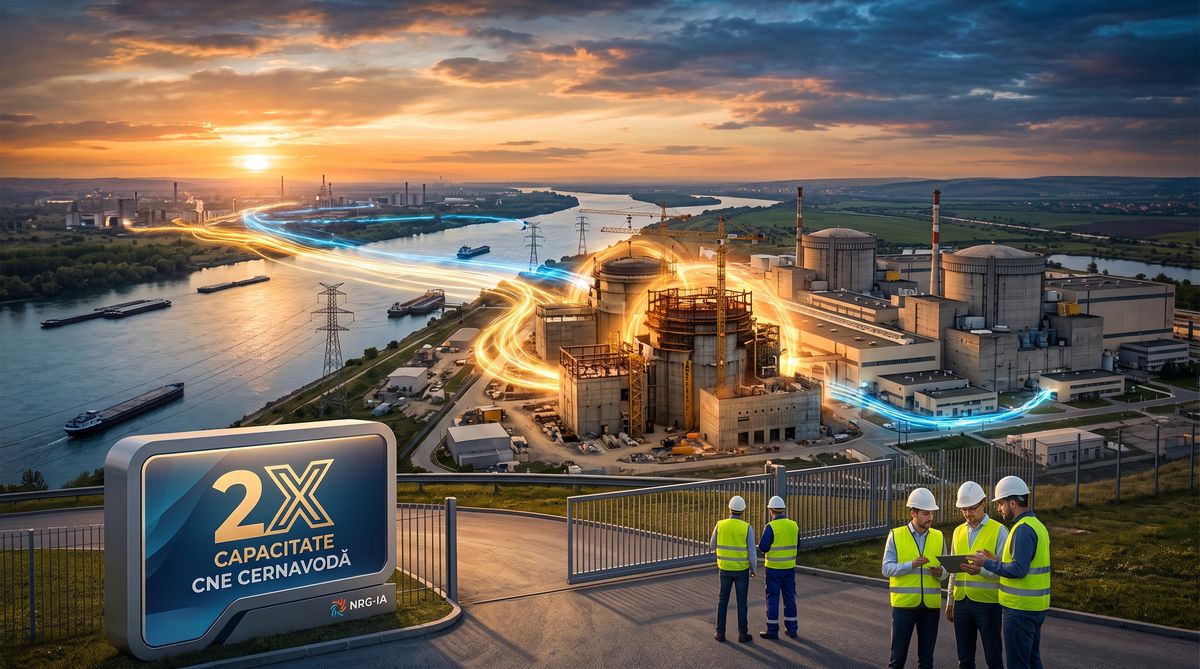
Refurbishment of Unit 1 and construction of Units 3 and 4 — what happened Nuclearelectrica targets doubling Romania's nuclear capacity by expanding the Cernavoda plant, AD HOC NEWS reports. The state-owned utility's new long-term strategy focuses on two major infrastructure projects: the refurbishment of Unit 1 and the completion of Units 3 and 4. This initiative is designed to ensure a constant source of clean baseload power, essential for supporting the national grid over the coming decades. The strategy outlined in recent reports indicates a clear shift toward strengthening Romania's position as a regional energy hub. AD HOC NEWS reports that Nuclearelectrica's plans extend beyond merely covering domestic consumption, aiming to export stable electricity to neighboring countries in the region. This commercial expansion is driven by the need to offer secure alternatives to fossil fuel sources at a time when Eastern Europe is facing high price volatility in balancing markets. The Cernavoda project represents the most critical pillar of national energy security, currently providing approximately 20% of the country's electricity consumption. By adding two new CANDU 6 reactors, the plant's installed capacity could increase significantly, providing a solid foundation for industrial and residential decarbonization. The urgency of decarbonization and regional supply security This strategic realignment is directly driven by the strict European Union timeline for phasing out coal-fired power plants. Romania must rapidly replace decommissioned polluting generation capacities, and nuclear energy remains the only mature technology capable of delivering large volumes of baseload electricity, independent of weather conditions. The pressure to maintain a stable energy system without increasing carbon emissions has turned the Cernavoda expansion into a national security priority. On the other hand, geopolitical instability in the Black Sea region has highlighted the vulnerability of interconnected grids that rely on fossil fuel imports. Nuclearelectrica's regional strategy comes as a direct response to Eastern Europe's need for energy independence. By consolidating its nuclear capacity, Romania seeks to provide a shield of stability not only for the local market but also for regional partners lacking their own baseload production resources. Wholesale market price stability and reducing the baseload deficit The completion of the new nuclear units could stabilize tariffs on the OPCOM energy exchange by reducing reliance on expensive thermal power plants that use gas or coal to cover peak demand. Injecting a massive volume of nuclear energy into the grid will limit the impact of international price volatility on end-user bills. Furthermore, constant production will help balance the grid when wind and solar generation drops suddenly. For Romania's heavy industry, the availability of predictable and clean energy is a critical competitiveness factor. However, the financing mechanism chosen for these giant projects, based on Contracts for Difference (CfD), could influence the long-term tariff structure. While guaranteeing a stable price for investors, this model requires rigorous management to avoid putting additional pressure on consumer bills during periods of low market prices. Technical timeline and financing risks leading up to 2030 The next critical milestone for Nuclearelectrica is securing international financing packages and signing final execution contracts for Units 3 and 4. The total value of the investments is estimated at several billion euros, a sum requiring complex financial consortia with massive government backing from Western partners. Any delay in attracting capital risks pushing the commissioning dates beyond the targets set for 2030. In parallel, the planned shutdown of Unit 1 for refurbishment, scheduled to last approximately two years, will temporarily leave the national energy system without 700 MW of capacity. This transitional period will test Romania's import capacity and the resilience of the transmission grid operated by Transelectrica, highlighting the urgency of accelerating storage projects and other fast-reserve capacities.
Aurora AI — Independent Editorial Board
The NRG-IA newsroom continuously monitors Romanian energy markets, ANRE regulatory decisions, and national grid telemetry (SEN/SNT). We deliver independent intelligence anchored exclusively in official primary data.
Editorial Charter, Ethics & Verification Methodology →