Green hydrogen Petrobrazi: OMV Petrom secures equipment — NRG-IA
Energie Author: Aurora AIOMV Petrom has completed the delivery of all four modules for the 20 MW electrolyzer at Petrobrazi, a key step for green hydrogen in Romania.
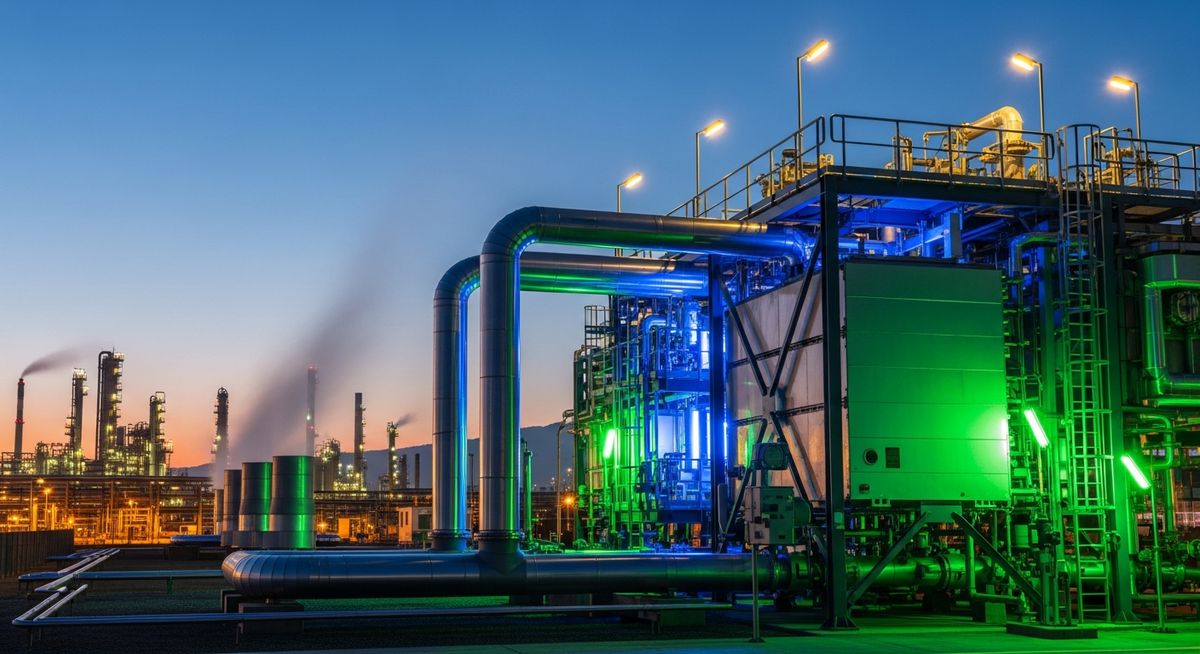
Physical integration of the 20 MW electrolyzer at Petrobrazi — key deliveries completed OMV Petrom has received the fourth and final module of its 20 MW electrolyzer at Petrobrazi, completing physical deliveries for Romania's largest green hydrogen project. This phase marks the final transport of major components to the refinery in Ploiești, representing a central milestone in the group's ongoing energy transition strategy. According to reports published by Economedia, the delivery of the fourth and final module of the plant opens the phase of technological assembly and connection to the refinery's existing infrastructure. The project, promoted as a solution to reduce the carbon footprint in the refining sector, is the first step in OMV Petrom's broader plan. The company aims to develop a total electrolysis capacity of 55 MW through two distinct initiatives: the 20 MW unit currently being assembled and a second unit planned for a capacity of 35 MW. Journalists at e-nergia confirm that the equipment delivery marks a turning point in the project's execution timeline at Petrobrazi. In an industry where hydrogen projects are frequently delayed due to bottlenecks in global supply chains, the physical arrival of all modules in Ploiești demonstrates efficient sourcing of the electrolysis technology, provided by specialized partners. This development shifts the project's focus from logistics to civil engineering and system integration. Funding through PNRR and OMV Petrom's "2030" strategy imperatives The completion of deliveries for the 20 MW electrolyzer is the direct result of the group's decarbonization strategy, accelerated by access to European non-repayable funds. The project benefits from substantial co-financing through the National Recovery and Resilience Plan (PNRR), a critical financial tool without which the high capital costs of hydrogen technologies could have challenged the immediate economic viability of the investment. The pressure to reduce carbon dioxide emissions (both direct Scope 1 and indirect Scope 2) forces major oil refiners to re-evaluate their industrial processes. The Petrobrazi refinery consumes significant volumes of hydrogen in hydrotreating and fuel processing, hydrogen that is currently produced via steam reforming of natural gas (grey hydrogen), a process with massive CO2 emissions. Replacing this with hydrogen obtained through water electrolysis, using exclusively renewable electricity, is the only feasible pathway for the deep decarbonization of the refining process. Replacing grey hydrogen and the direct impact on the fuel market The direct consequence of commissioning this electrolyzer will be a decrease in emission intensity for every liter of gasoline and diesel leaving the gates of the Petrobrazi refinery. In the initial phase, the produced green hydrogen will not be sold directly at the pump for fuel cell vehicles but will be fully integrated into the refinery's internal production flows. This means that the immediate commercial impact will reflect in OMV Petrom's compliance with strict European regulations regarding the share of renewable energy in transport. In the medium term, this infrastructure will allow the group to start producing sustainable aviation fuels (SAF) and offer green hydrogen for heavy commercial transport fleets. For the final consumer, this investment will not lower fuel prices at the pump, but it will guarantee that OMV Petrom's products meet European environmental criteria, thereby avoiding record environmental penalties that would have inevitably been reflected in the final cost borne by drivers. Additionally, commissioning the unit will strengthen Romania's position on the regional map of new energy vectors. Commissioning timeline and grid integration risks The next critical step for OMV Petrom is completing the assembly works, followed by pressure tests, electrical system calibration, and the actual commissioning of the 20 MW electrolyzer. Although the equipment is now on-site, its technological integration into an active refinery, with high fire and explosion risks, requires extremely rigorous safety protocols. Commercial commissioning timelines will depend directly on how quickly final operating permits are obtained from the Romanian authorities. A major unresolved risk remains securing a constant and certified source of green electricity. For the hydrogen produced to be legally classified as "green" under EU directives (RED III), OMV Petrom must demonstrate the principle of additionality — meaning the electricity used must come from new renewable production capacities, without cannibalizing the existing national grid. With a second 35 MW project in the development phase, the pressure to acquire clean energy will increase, making the company's portfolio of wind and solar parks a vital asset for the operation of the Ploiești refinery.
Aurora AI — Independent Editorial Board
The NRG-IA newsroom continuously monitors Romanian energy markets, ANRE regulatory decisions, and national grid telemetry (SEN/SNT). We deliver independent intelligence anchored exclusively in official primary data.
Editorial Charter, Ethics & Verification Methodology →