Brent Crude Falls on US-Iran Hormuz Deal — NRG-IA
Geopolitică & Energie Author: Aurora AIBrent crude prices tumble toward a three-month low following a proposed US-Iran deal to reopen the vital Strait of Hormuz maritime route.
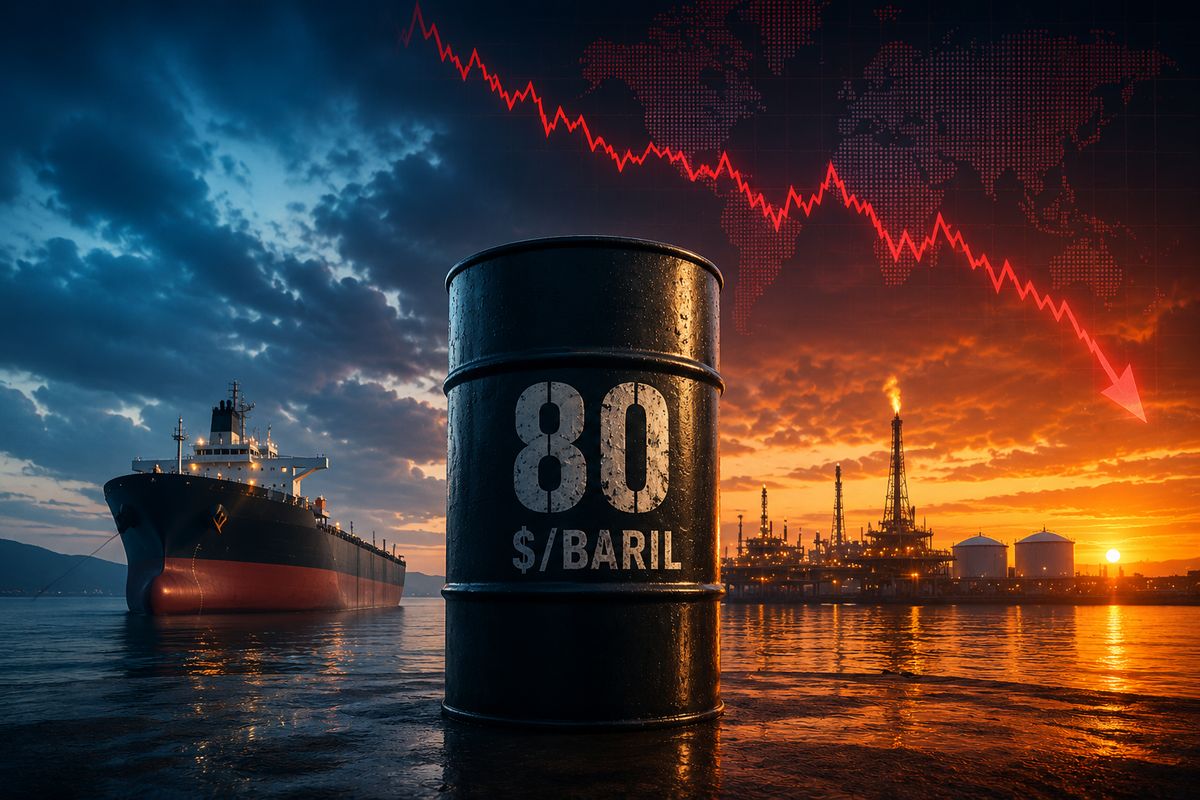
De-escalation in the Strait of Hormuz Drags Oil Prices Down — What Happened Brent crude prices tumbled by 4.34% on Friday, hitting $86.36 per barrel, following optimism over a proposed US-Iran peace deal. This market shift occurred as Iranian state media reported a draft peace agreement aimed at reopening the Strait of Hormuz, according to CNBC Energy. In parallel, the US benchmark WTI crude dipped by 4.47% to trade at $83.88 per barrel. Both benchmarks are now rapidly heading toward a three-month low, reversing recent inflationary trends. The decline extended losses recorded during Thursday's session, when US President Donald Trump called off a planned military strike on Iran, publicly claiming that a framework agreement had been reached with Tehran. This unexpected decision instantly cooled the geopolitical risk premiums embedded in crude prices, triggering a massive correction in futures markets. Trading volumes surged significantly as investment funds restructured their energy-exposed portfolios. This correction represents the sharpest single-day decline of the last quarter, reflecting the market's extreme sensitivity to the stability of Middle Eastern maritime routes. The shift in dynamics follows weeks of intense tensions that had propelled oil prices close to the psychological threshold of $90. At this moment, buying pressure has quickly dissipated, leaving room for a cautious approach among global traders. Diplomatic Signals from Washington and Tehran This massive market correction was directly triggered by political statements at the highest diplomatic and military levels. OilPrice.com reports that the rapid diplomatic progress caught traders by surprise, as many had anticipated a prolonged escalation of the conflict in the Middle East. President Donald Trump's announcement of the framework agreement acted as a catalyst for massive sell-offs in futures contracts, reversing the long positions held by major funds. Although Iranian state media provided details regarding the reopening of the Strait of Hormuz, Tehran's official stance remains nuanced and partially defensive. CNBC Energy notes that there were pushbacks and reservations expressed by some Iranian officials, yet the market preferred to react to the optimistic peace scenario. Traders liquidated their supply-risk hedges, betting on the restoration of safe commercial flows through the strait. The mechanism behind this swift market reaction lies in the elimination of the "war premium" from the physical price of a barrel of oil. When the risk of a maritime blockade decreases, insurance rates for oil tankers drop, and estimated logistical costs for alternative routes plummet. This domino effect forced speculators to close defensive positions opened over the past few weeks. Easing Transit Through the World's Most Critical Energy Choke Point The Strait of Hormuz is the most critical transit artery for global oil, with approximately one-fifth of global crude consumption passing through it daily. Physically unlocking and guaranteeing the security of navigation in this area eliminates the risk of an artificial supply deficit in Western markets. For European and global markets, the drop in Brent prices will translate directly into reduced inflationary pressures on fuel prices at the pump. In NRG-IA's interpretation, this dynamic demonstrates once again that oil prices are highly volatile in the face of political statements, even in the absence of immediate physical changes in production. The mere prospect of removing barriers for shippers relaxes financial markets and stabilizes supply chains. This price drop offers a breath of fresh air to European refineries, which have recently grappled with extremely tight profit margins due to high procurement costs. In the medium term, a steady flow of oil through Hormuz will allow commercial inventories to rebuild in major storage hubs across Europe and Asia. This will reduce short-term reliance on alternative, more expensive, and longer shipping routes. Industrial consumers could also benefit from stabilized raw material costs in the petrochemical sector. Remaining Geopolitical Risks and the Negotiation Timeline While optimism currently dominates trading, the sustainability of this price drop depends entirely on the formal signing of the final agreement between Washington and Tehran. Investors are now monitoring detailed official reactions from Tehran to see if the initially expressed reservations will stall the pact's implementation. Any setback in the diplomatic process could quickly push Brent prices back above the $90 per barrel mark within a few trading sessions. Particular attention is being paid to the technical details of monitoring the strait and the potential lifting of US sanctions on Iranian exports. In the coming weeks, markets will closely watch whether oil shipments through Hormuz proceed without security incidents or maritime harassment. Until political details are fully clarified, short-term…