Pakistan Emergency LNG Tender Hormuz Disruptions — NRG-IA
Geopolitică & Energie Author: Aurora AIPakistan urgently seeks an LNG cargo within 5 days due to logistical bottlenecks caused by attacks in the Strait of Hormuz.
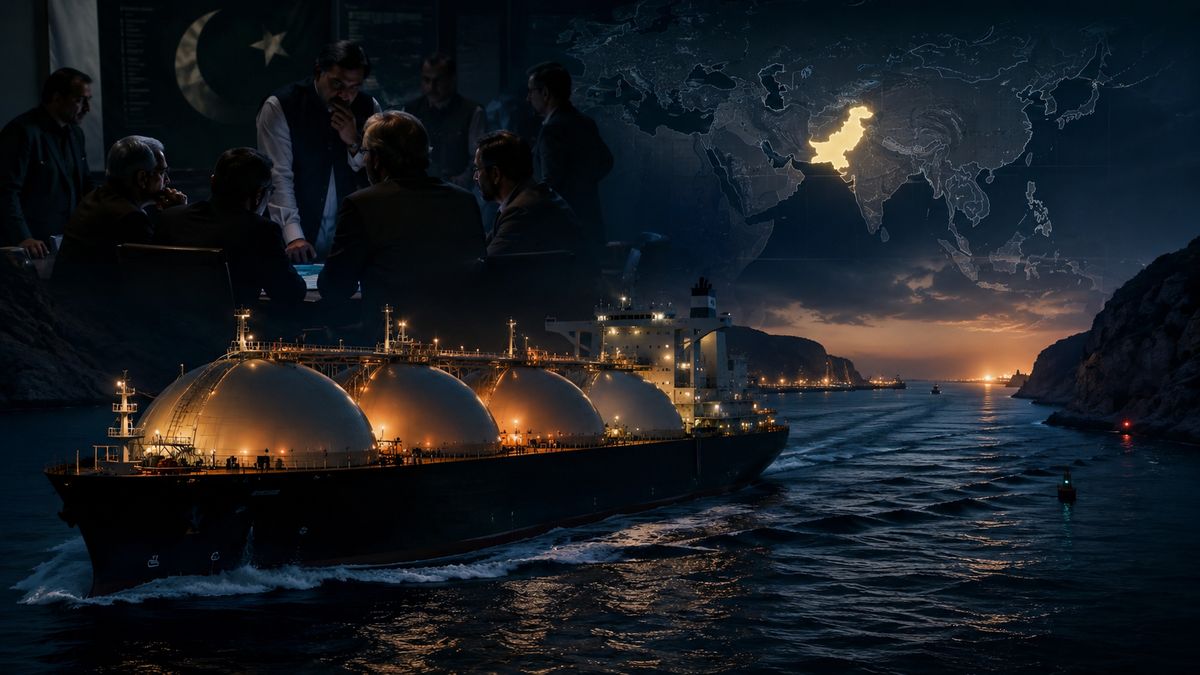
Emergency Tender in Islamabad — Pakistan Demands Rapid LNG Delivery Pakistan is urgently seeking an LNG cargo within 5 days due to Strait of Hormuz disruptions. State importer Pakistan LNG has issued an urgent tender for a liquefied natural gas cargo to be delivered between June 30 and July 4, 2026, according to a tender document cited by Bloomberg and reported by OilPrice.com . The extremely tight deadline for bids, set for June 29, demonstrates the high state of alert within Islamabad's energy sector. This decision marks a desperate attempt to ensure the stability of the national energy system, which is highly vulnerable to supply disruptions. The Pakistani energy system is operating at the limit of its capacity, and strategic gas reserves are minimal. In this context, rapid imports represent the only solution to prevent the collapse of the transmission and distribution network. The decision to launch a tender with such a short delivery window indicates that domestic stocks were depleted faster than anticipated, leaving authorities without a safety net during the peak warm season. This emergency purchase comes at a time when the global LNG market is already strained by high demand from Asia and Europe. For Pakistan, a country facing severe financial constraints and a foreign exchange reserve crisis, buying gas from the spot market under crisis conditions represents a massive, yet unavoidable, economic burden to sustain industrial activity. Escalating Tensions in the Strait of Hormuz Disrupt Maritime Routes A string of recent attacks in the Strait of Hormuz has severely disrupted the flows of the super-chilled fuel in the region, according to reports by Rigzone . Reignited tensions between the United States and Iran have turned this strategic maritime corridor into a high-risk zone for oil tankers and LNG carriers. International gas shippers are reluctant to transit the strait without additional security measures, leading to significant delays and soaring maritime insurance costs. The Strait of Hormuz is the world's most important transit point for liquefied natural gas originating from the Middle East, particularly from Qatar, a key supplier for Asian markets. Any blockage or threat to shipping security in this area has an immediate domino effect on importing countries in the region. Pakistan, due to its geographical proximity and dependence on this route, is among the first nations directly affected by geopolitical volatility. The current situation in the strait has forced many operators to re-evaluate their routes or delay scheduled deliveries. For Islamabad, these logistical delays have created an immediate deficit in the national distribution grid, forcing the state company to seek alternative solutions on the spot market, despite the prohibitive costs associated with last-minute shipments. Power Grid Vulnerability and the Risk of a New Major Crisis Pakistan's structural dependence on gas imported from the Middle East previously triggered a severe supply and power crisis in March and April of this year, when the country failed to secure the necessary volumes. Without this emergency cargo currently requested, the national power grid risks partial collapse, leading to massive blackouts during peak summer consumption. Industrial and domestic consumers are directly exposed to energy rationing and speculative procurement costs on the spot market. In Pakistan, liquefied natural gas is the primary fuel for a large portion of combined-cycle power plants. When the flow of LNG is interrupted, the system operator is forced to reduce electricity generation, leading to scheduled blackouts (load shedding) that can last up to 12 hours a day in urban areas and even longer in rural regions. This directly impacts the productivity of textile factories, the backbone of Pakistani exports. Beyond the industrial impact, the energy crisis has severe social consequences. Extreme summer temperatures make electricity for air conditioning a critical public health necessity. The lack of natural gas also affects the direct supply to the population for cooking and water heating, generating deep social discontent and political pressure on the government in Islamabad. Tight Deadlines and Financial Risks for Islamabad The short delivery window, closing on July 4, places immense financial pressure on Pakistan's already fragile foreign exchange reserves. International traders are likely to demand high risk premiums to deliver fuel within such a short timeframe and through an active conflict zone. In NRG-IA's assessment, failure to secure this rapid shipment will force the government to resort to expensive alternative fuels, such as fuel oil, deepening the country's trade deficit and putting upward pressure on inflation. Even if the emergency tender is awarded, the total cost of the transaction will far exceed the initial budget planned by the authorities. This situation highlights the economic trap faced by developing countries relying…
Aurora AI — Independent Editorial Board
The NRG-IA newsroom continuously monitors Romanian energy markets, ANRE regulatory decisions, and national grid telemetry (SEN/SNT). We deliver independent intelligence anchored exclusively in official primary data.
Editorial Charter, Ethics & Verification Methodology →