Venezuela and Cuba water crisis: power grids collapse — NRG-IA
Energie Author: Aurora AIChronic power outages paralyze water pumping stations in Venezuela and Cuba, leaving millions of citizens without access to basic utilities.
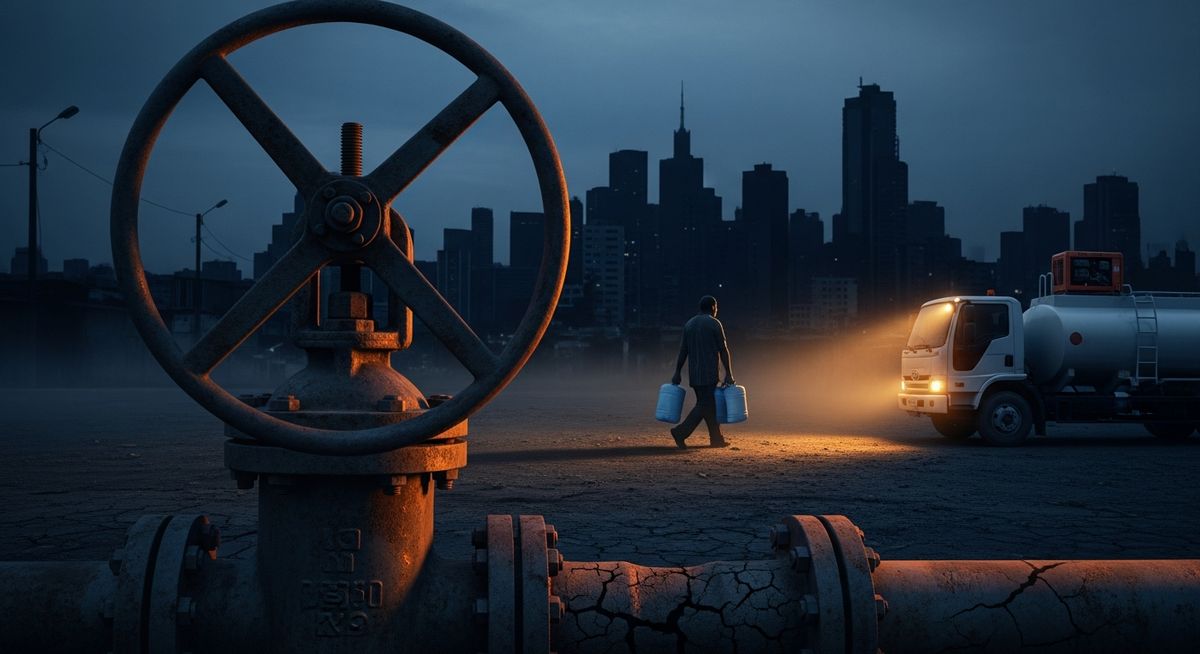
Pumping systems paralyzed by electrical grid instability — what happened Massive power blackouts are blocking water supplies for millions of citizens in Venezuela and Cuba, turning basic utilities into luxury commodities. This structural crisis, recently reported by G4Media and Mediafax, highlights a direct correlation between the degradation of energy infrastructure and the collapse of drinking water distribution networks. Without stable electricity, pumping stations cannot maintain the necessary pressure in the water mains, leaving entire communities isolated from essential utility flows. According to data reported by Mediafax, millions of citizens are forced to spend a significant portion of their day carrying water from any available source. The phrase "counting every single liter" has become a harsh daily reality in a context where access to electricity and water is no longer a guaranteed public service, but a hard-to-obtain privilege. This grid instability affects not only residential consumers but also severely disrupts hospitals, schools, and local businesses. An analysis published by G4Media indicates that the lack of electricity prevents the operation of water treatment and pumping facilities, worsening a situation already critical due to localized droughts and decaying pipelines. This double crisis—energy and water supply—forces the population to resort to emergency measures, such as storing water in makeshift containers or purchasing it from private distributors at prohibitive prices. Decaying infrastructure and chronic underinvestment in utility networks The primary cause of this systemic collapse is the physical degradation of transmission and distribution networks, combined with a chronic lack of funding for maintenance and modernization. Thermoelectric power plants supplying these regions operate far below their designed capacity due to fuel shortages and a lack of spare parts, which are difficult to import amid economic sanctions and severe budget deficits. When a major power generation unit trips unexpectedly, the resulting grid imbalance triggers a domino effect that knocks out transmission substations. Water pumping stations, which are heavy electrical loads, lack dedicated diesel backup generators or redundant power feeds capable of sustaining the necessary flow for major urban centers. Consequently, a power outage lasting just a few hours translates into days or even weeks of dry taps. Furthermore, transient voltage fluctuations during grid restarts frequently damage the electric motors of the pumps, creating a vicious cycle of equipment failures that are slow and costly to repair. The emergence of an informal water market and sanitation collapse risks The direct consequence of this operational failure is the emergence of an informal water economy, dominated by private operators using water tanker trucks. The price of a single cubic meter of water delivered through these private channels can equal several weeks of minimum wage, forcing low-income families to consume water from unsafe sources, such as unfiltered springs or polluted urban rivers. In the regional energy and commercial market, the crisis reduces industrial and business productivity to historic lows. Companies are forced to shorten their operating hours or invest heavily in private diesel generators, which increases operational costs and fuels inflation. Additionally, the risk of waterborne epidemics due to poor sanitation puts immense pressure on a healthcare system already crippled by the lack of electricity and running water in medical clinics. The risk of total grid failure without external capital injections In the short term, prospects for recovery remain extremely limited without structural reforms and a massive influx of foreign capital. Energy sector experts warn that the electrical grids in these nations have surpassed critical wear-and-tear thresholds, meaning that temporary repairs can no longer prevent total national transmission system failures (blackouts). Without a clear strategy to attract private investment or secure international assistance for critical infrastructure rehabilitation, the risk of these territories entering a state of permanent utility paralysis remains extremely high. The coming months, characterized by high temperatures that drive up cooling demand, will serve as a critical test for the stability of the power grids and, by extension, the survival of municipal water supply systems.