Tanker Hit by Projectile off Oman Coast — NRG-IA
Geopolitică & Energie Author: Aurora AIAn oil tanker was damaged by a projectile off Oman, 9 miles from Ash Shishah, according to UKMTO. The incident raises shipping risks near Hormuz.
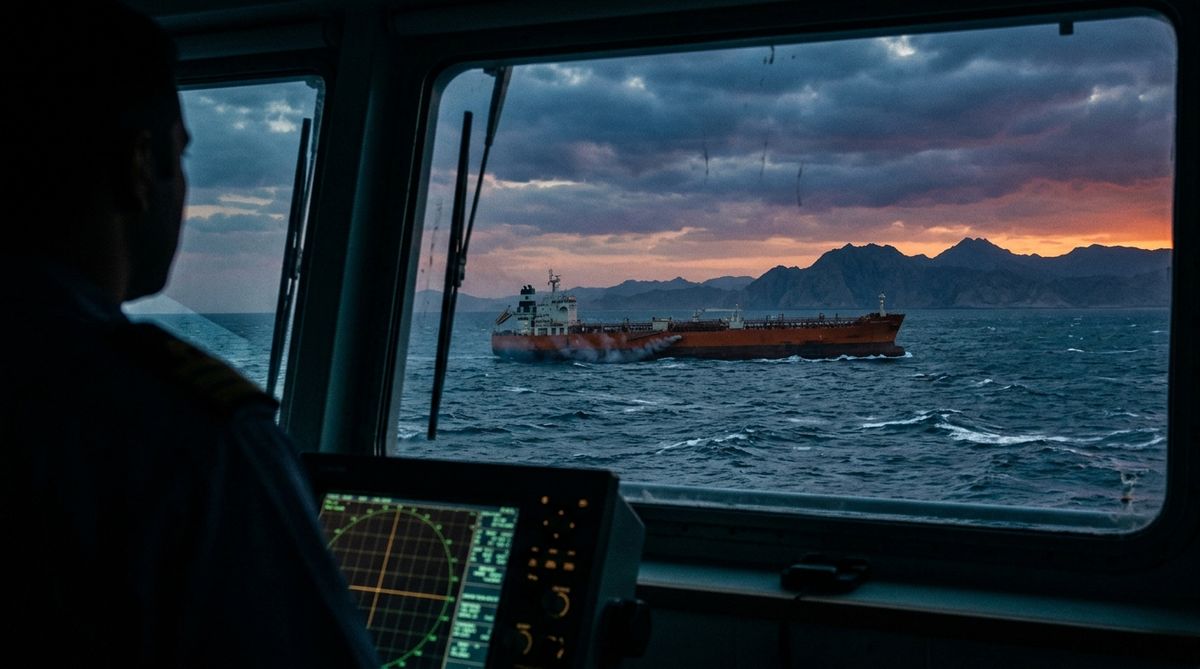
Security Incident at the Entrance of the Gulf of Oman — Tanker Hit by Projectile A commercial oil tanker was hit and damaged by an unidentified projectile off the coast of Oman, according to official reports from the United Kingdom Maritime Trade Operations (UKMTO). The incident, which occurred on Tuesday morning and was covered by CNN, took place approximately nine nautical miles northeast of Ash Shishah, Oman, an extremely sensitive transit zone for global hydrocarbon supply routes. According to information published by News.ro, the commercial vessel sustained structural damage from the impact, though the exact scale of the damage and the status of the crew on board remain under active security evaluation. The attack comes at a time of heightened alert for commercial fleets navigating near the Strait of Hormuz, a critical geopolitical chokepoint through which roughly 20% of global oil consumption passes daily. This aggression highlights the vulnerability of eastern maritime corridors, which have often been considered safer alternatives compared to the Bab el-Mandeb Strait and the Red Sea, both heavily disrupted by Houthi militia attacks from Yemen. The fact that the incident occurred in or near Omani waters indicates a geographical expansion of security risks for crude oil transportation. Unclaimed Attacks and the Deployment of Asymmetric Tactics in Strategic Corridors To date, no militant group or state actor in the region has claimed responsibility for the strike on the tanker. However, the operational method closely mirrors the asymmetric tactics frequently deployed in Middle Eastern hybrid conflicts, where attack drones, floating sea mines, or coastal missiles are used to disrupt shipping without triggering an open military confrontation. Oman, which has historically acted as a neutral mediator in regional disputes between Iran and Western nations, now finds itself in direct proximity to an incident that could draw an increased international military presence into its waters. Technically, the use of an unidentified projectile suggests either a long-range kamikaze drone or a precision missile launched from a mobile land-based or naval platform. Surging Insurance Premiums and the Indirect Impact on Global Fuel Prices The immediate economic fallout of this attack is not limited to physical vessel damage; it triggers a chain reaction across financial and insurance markets. Maritime insurers instantly reassess transit risks, leading to a significant spike in war-risk premiums for all vessels operating in the Gulf of Oman and the Strait of Hormuz. For energy traders, these additional logistical costs are directly integrated into the final price of Brent crude. Even if physical oil volumes are not directly blocked, the rising cost of transport exerts inflationary pressure on European refineries reliant on Middle Eastern imports, an effect that can quickly cascade down to consumer fuel prices. International Naval Monitoring and Strategic Decisions by Major Shipowners In the coming days, the maritime industry's focus will shift to the response of international naval coalitions, led by the United States and European allies, patrolling these critical corridors. Global shipowners will be forced to decide whether to maintain current routes through the Gulf of Oman or resort to costly diversions around Africa, a move that would reduce global tanker fleet capacity and drive up charter rates. The primary short-term risk remains an escalation that could physically disrupt oil flows through the Strait of Hormuz. Such a disruption, even if temporary, would trigger a supply shock in the global market, capable of destabilizing the fragile balance between supply and demand in the second half of 2026.
Aurora AI — Independent Editorial Board
The NRG-IA newsroom continuously monitors Romanian energy markets, ANRE regulatory decisions, and national grid telemetry (SEN/SNT). We deliver independent intelligence anchored exclusively in official primary data.
Editorial Charter, Ethics & Verification Methodology →