Brent crude posts biggest monthly drop since 2020 — NRG-IA
Geopolitică & Energie Author: Ioana BuzoaicaBrent crude oil posts its biggest monthly decline since March 2020 as traders monitor US-Iran talks in Doha and Strait of Hormuz shipping recovers.
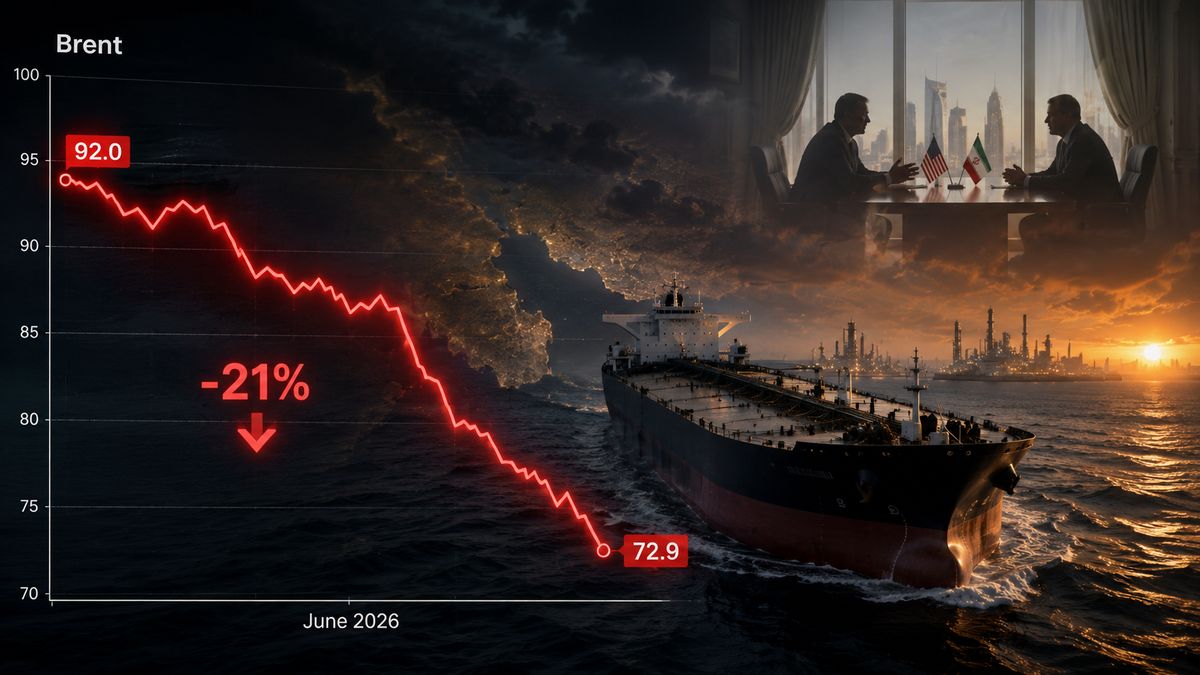
Doha diplomatic talks depress international benchmarks — what happened Brent crude oil recorded its sharpest monthly decline since March 2020 in June, driven by traders closely monitoring diplomatic negotiations between the United States and Iran. This market dynamic follows a period of heightened Middle East tensions that had previously kept prices elevated. The resumption of diplomatic channels in Doha, scheduled for early July, prompted investment funds to liquidate long positions in crude futures contracts. The market experienced intense volatility over the past few weeks. While oil prices briefly ticked higher in mid-June after peace talks in Geneva were abruptly postponed, the overall market sentiment shifted rapidly. Emerging signs of diplomatic openness from both Washington and Tehran alleviated fears of prolonged global supply disruptions. The steep monthly decline reflects a tactical shift among traders, who are increasingly pricing in a potential easing of sanctions on Iranian oil exports. This geopolitical development temporarily overshadowed physical supply and demand fundamentals, focusing market attention almost entirely on the political decisions unfolding in Qatar. The Lebanon ceasefire and the reopening of the Strait of Hormuz The primary driver behind the crude price drop is the rapid recovery of shipping logistics in the Middle East, facilitated by a critical ceasefire. According to U.S. officials cited by CNBC, the truce between Israel and Iran-backed Hezbollah significantly lowered security risks in the region. This ceasefire paved the way for a swift resumption of maritime traffic through the Strait of Hormuz, a vital chokepoint handling roughly a fifth of global oil consumption. During the peak of the military escalation, transit through the strait had ground to a near-total halt, adding a massive risk premium to global crude prices. As shipping resumed, supply disruption fears dissipated. Iran capitalized on the opening, reporting the export of 40 million barrels of crude following the de facto lifting of the U.S. naval blockade. Tehran stated it is selling this oil at a 20% premium, finding ready buyers among Asian refiners looking for immediate volumes. This influx of physical crude into global markets has successfully offset concerns regarding tight supply during the peak summer driving season in the Northern Hemisphere. The influx of Iranian crude and declining US inventories The direct consequence of these events is a rebalancing of global oil flows, even as commercial inventories in other major consuming regions continue to draw down. In the United States, data from the American Petroleum Institute (API) showed that crude inventories fell by 6.072 million barrels for the week ending June 26. This substantial draw, following a minor 765,000-barrel decline the previous week, points to robust domestic demand in the U.S. However, prices failed to rally on the inventory draw because market participants expect additional Iranian barrels and normalized Hormuz transit to comfortably bridge the gap. For end-consumers, the drop in Brent benchmarks could translate into lower retail fuel prices in the coming weeks, though local pump prices remain subject to national tax policies. In Europe, overall household energy bills remain under pressure despite falling crude prices. For instance, the UK regulator Ofgem recently implemented a 13% increase in its household energy price cap, according to the BBC. This divergence highlights that relief in the oil market does not automatically translate into lower utility bills for retail consumers. The outlook of the Qatar negotiations and remaining volatility risks The short-term market outlook hinges on the outcome of the diplomatic talks in Doha. Market participants are closely watching for any signs of a draft memorandum of understanding between the U.S. and Iran. A concrete breakthrough could solidify the bearish trend by formally reintegrating Iranian production capacity into Western supply chains. Nevertheless, the risk of a sudden trend reversal remains high. The history of these negotiations suggests that the diplomatic process is highly fragile and prone to last-minute disruptions. Any breakdown in the Doha talks or a fresh escalation near the Strait of Hormuz could quickly reinstate the geopolitical risk premium, pushing Brent prices back toward higher thresholds.
Ioana Buzoaica — Independent Editorial Board
The NRG-IA newsroom continuously monitors Romanian energy markets, ANRE regulatory decisions, and national grid telemetry (SEN/SNT). We deliver independent intelligence anchored exclusively in official primary data.
Editorial Charter, Ethics & Verification Methodology →