Oil prices rise 3% on US-Iran impasse — NRG-IA
Energie Author: Aurora AIOil prices surged over 3% on Monday following a diplomatic impasse between the US and Iran and expanded military operations in the Middle East.
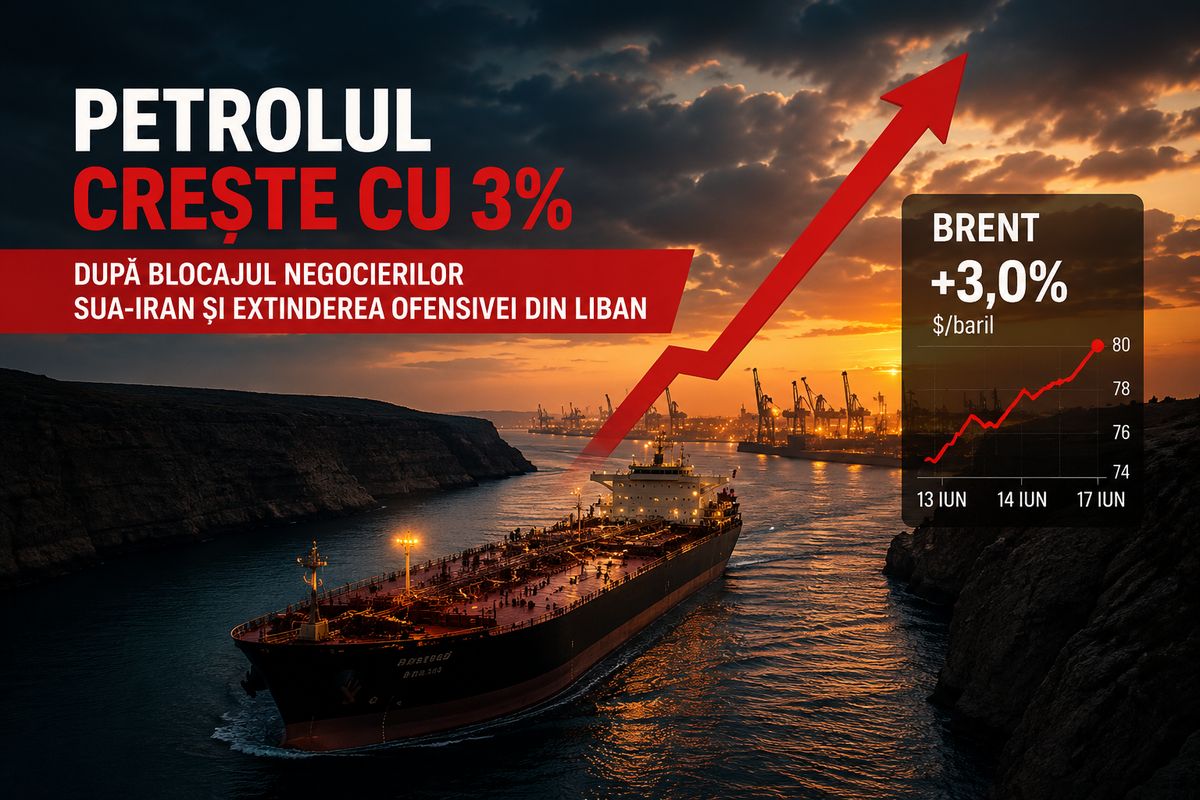
Middle East escalation drives oil prices up by over 3% — what happened Oil prices jumped 3% on Monday as US-Iran diplomatic talks reached a critical impasse. This sharp market reversal comes just hours after Israeli troops were ordered to push deeper into Lebanon, sparking renewed clashes with Iran-backed Hezbollah forces. Concurrently, US military strikes targeted positions inside Iran, a highly severe escalation that has amplified fears of a wider regional conflict instead of a peaceful diplomatic settlement. The market's volatile reaction follows a brief period of optimism. Last Friday, global oil prices posted their biggest monthly loss in six years, dropping 20% from their 2026 peak as traders anticipated that a US-brokered ceasefire would successfully reopen critical maritime routes. However, the lack of a concrete announcement from the White House quickly erased those gains. Both Brent crude and West Texas Intermediate (WTI) benchmarks rapidly recovered losses sustained in previous sessions. This swift rebound highlights the intense anxiety of energy traders, who remain highly sensitive to any threats to commercial shipping lanes in the Persian Gulf. Diplomatic gridlock in Washington and expanding military operations in Lebanon The primary catalyst for the price surge is the diplomatic deadlock over a potential ceasefire. Last week, US President Donald Trump announced a high-level meeting in the Situation Room to finalize a deal with Iran, which had temporarily calmed energy markets. Previous administration statements suggesting that negotiations to reopen the Strait of Hormuz were nearly complete have been contradicted by developments on the ground. Instead of a signed agreement, the weekend brought intensified clashes and an expansion of Israeli ground operations in Lebanon. Direct US strikes on Iranian targets have further complicated any near-term diplomatic compromise. This direct military involvement has effectively frozen indirect communication channels, forcing Wall Street analysts to quickly price the geopolitical risk premium back into their energy models. Strait of Hormuz bottleneck keeps 13 million barrels per day off the market The physical consequences of this diplomatic failure are already impacting global trade flows. The Strait of Hormuz, the world's most critical oil transit chokepoint, remains partially blocked, keeping approximately 13 million barrels of crude oil per day off global markets. This massive supply deficit has forced refiners worldwide to draw heavily on their emergency stockpiles. Chevron's CEO recently warned that oil prices are poised to jump significantly over the summer because these crucial safety inventories—the global energy system's primary shock absorbers—are running dangerously low. For European and regional consumers, this supply squeeze will likely lead to higher retail fuel prices at the pump in the coming weeks. Additionally, elevated shipping and logistics costs will exert further pressure on industrial supply chains, fueling inflation just as European economies were beginning to stabilize. High volatility ahead of summer as ceasefire prospects fade Short-term market prospects now depend entirely on whether major powers can restore a viable diplomatic channel. Market participants are closely watching Washington for strategic decisions, as well as Tehran's official response to the latest US airstrikes. If the offensive in Lebanon continues to expand without a swift ceasefire agreement, analysts project that Brent crude could test peak alert levels once again. Without a rapid reopening of the Strait of Hormuz, the global oil market faces a severe supply deficit heading into the peak summer driving season.
Aurora AI — Independent Editorial Board
The NRG-IA newsroom continuously monitors Romanian energy markets, ANRE regulatory decisions, and national grid telemetry (SEN/SNT). We deliver independent intelligence anchored exclusively in official primary data.
Editorial Charter, Ethics & Verification Methodology →