US-Russia Energy Talks: Lukoil, Diesel, and Sanctions — NRG-IA
Geopolitică & Energie Author: Ioana BuzoaicaOil and fuel enter US-Russia talks on Ukraine, including a multi-billion Lukoil deal and post-war energy cooperation as global diesel supplies tighten.
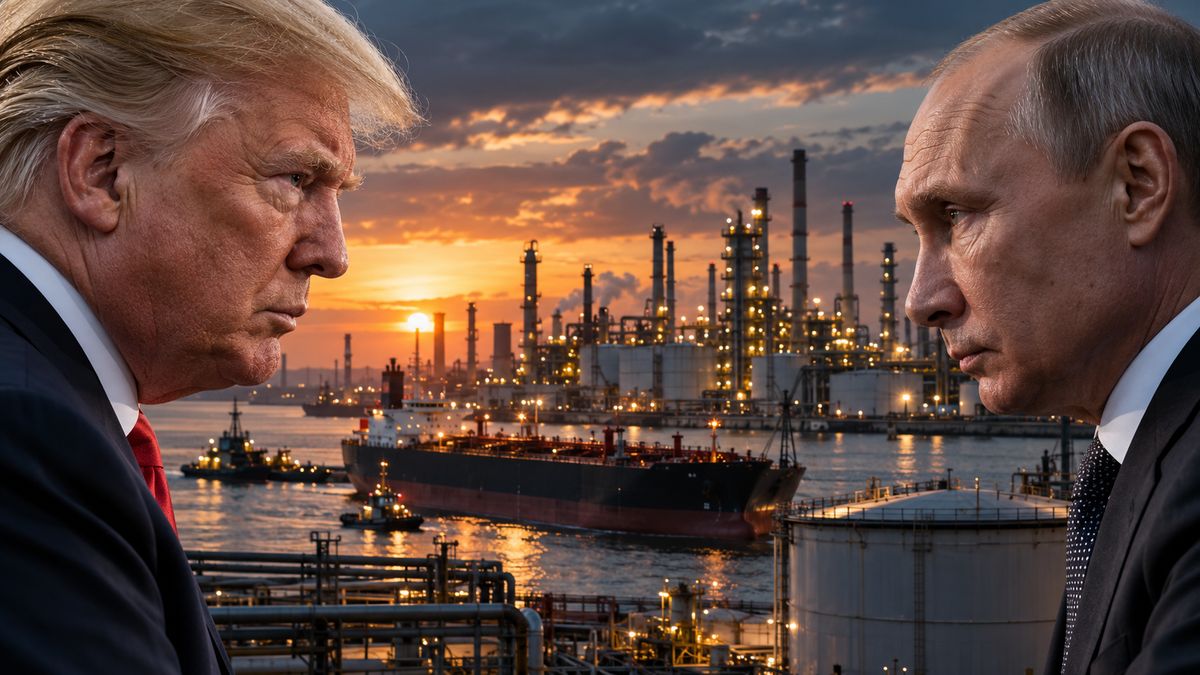
A Multi-Billion-Dollar Oil Deal Emerges in Ukraine Negotiations The most significant revelation emerged in early October. The Trump administration's discussions with Russia regarding an end to the war in Ukraine have expanded to include a potential multi-billion-dollar oil deal , according to information originally published by The New York Times and reported by Reuters. The transaction would target the international assets of Russian oil group Lukoil —including oil fields, refineries, and gas station networks—and would require both US government approval and the Kremlin's consent. A politically heavyweight element is the direct involvement of Vladimir Putin in the discussions. According to reports cited by Reuters, the Russian president raised the transaction during a September 5 meeting at the Kremlin with US envoys Steve Witkoff and Jared Kushner. Putin reportedly framed the completion of such a deal as a demonstration that Russia and the United States can return to significant commercial relations. However, the deal is not finalized, and the White House, the Treasury Department, and Lukoil had not publicly confirmed the transaction at the time the reports were published. Reuters Energy Discussed Separately as Part of Post-War US-Russia Relations The Lukoil deal does not exist in a vacuum. On September 29, Kirill Dmitriev , an envoy of Vladimir Putin and head of the Russian Direct Investment Fund sovereign wealth fund, held talks in Washington with US officials regarding the war in Ukraine and potential joint energy projects for the post-conflict period. A US official confirmed that the discussions aimed both at finding a solution to the war and exploring potential US-Russia energy initiatives after its conclusion . Dmitriev also met with representatives from the Treasury Department and the Department of Energy. These two developments, occurring just days apart, show that energy is beginning to be treated not merely as an economic consequence of the war, but as a potential component of the post-conflict relationship between Washington and Moscow. Russian Diesel Becomes a Key Piece in the Equation However, the stakes extend far beyond the assets of a single company. Russia is one of the world's largest producers and exporters of petroleum products, and its return to the international market would carry significant weight at a time when diesel supplies are highly strained. On October 1, Vladimir Putin declared that Russia will not supply diesel to the global market as long as sanctions against Moscow remain in place . This statement explicitly turns fuel into an issue tied directly to the sanctions regime. Putin maintained that Russia has sufficient diesel, but that it cannot reach international markets due to restrictions imposed on Russian oil and petroleum products. Meanwhile, Moscow extended its restrictions on diesel exports until the end of October, in a market already squeezed by the loss of Middle Eastern volumes and attacks on refineries. Trump Called for a Halt to Attacks on Russian Fuel Facilities Market pressure has also brought Russian oil infrastructure into the US administration's rhetoric. In September, Donald Trump argued that Ukrainian attacks on Russian fuel production facilities contribute to the global diesel deficit and rising prices. The topic subsequently entered discussions regarding a potential moratorium on attacks on energy infrastructure. On September 21, French President Emmanuel Macron stated he had discussed initiatives with Trump for a mutual halt to attacks on the energy sectors of both Russia and Ukraine. Energy is thus beginning to appear simultaneously across multiple negotiation fronts: infrastructure protection, sanctions, fuel exports, and potential post-war investments. The Global Market Now Needs Fuels More Than Crude Oil This context explains why these talks carry far higher stakes than a simple bilateral trade relationship. The oil market is currently facing an unusual situation: while the availability of Middle Eastern crude is beginning to improve, the supply of diesel and other refined products remains highly constrained. In early October, China suspended a significant portion of its petroleum product exports to safeguard domestic supply. Russia is limiting diesel exports. Refineries in the Middle East and Russia are impacted by conflict, forcing G7 nations to tap emergency reserves. The G7 decided to release 100 million barrels of crude oil and petroleum products , with a substantial volume of diesel scheduled to hit the market rapidly. On the morning of October 5, Brent crude was trading around $101.6 per barrel , despite the recovery of Middle Eastern crude exports. This makes any potential return of Russian petroleum products to international trade channels carry far more weight than it would in a normal market. Lifting Sanctions Could Rapidly Reshape the Fuel Market For now, there is no agreement to lift sanctions on Russian energy. However, the…
Ioana Buzoaica — Independent Editorial Board
The NRG-IA newsroom continuously monitors Romanian energy markets, ANRE regulatory decisions, and national grid telemetry (SEN/SNT). We deliver independent intelligence anchored exclusively in official primary data.
Editorial Charter, Ethics & Verification Methodology →