US blockade on Iran drives oil prices higher — NRG-IA
Geopolitică & Energie Author: Aurora AIOil prices rise sharply as the US strikes Tehran and imposes a naval blockade, canceling sanction waivers previously set to run until August.
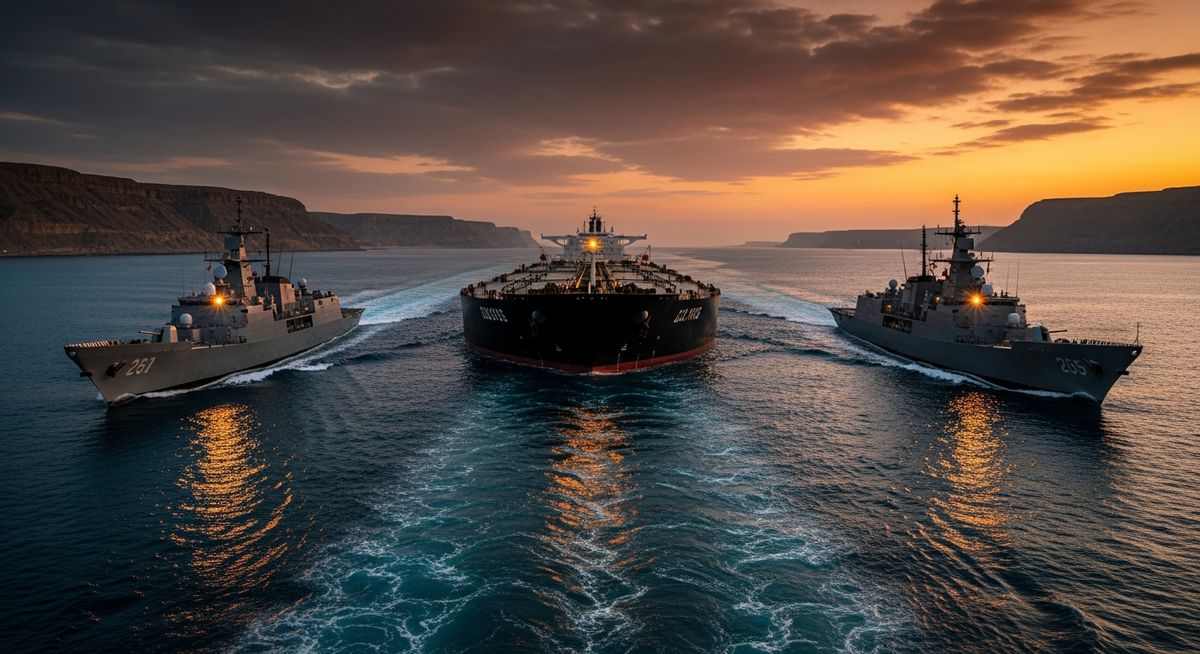
The military blockade in the Strait of Hormuz — how direct conflict between the US and Iran resumed Oil rose by 4% after US forces struck Tehran and blockaded Iranian ports. This direct military escalation on July 15, 2026, disrupts major trade routes in the Middle East and ends the fragile ceasefire agreed upon last month. US naval forces have established a strict blockade near the Strait of Hormuz to stop Tehran's crude oil exports. The decision followed a series of airstrikes targeting military infrastructure in the Iranian capital. International markets reacted instantly, with Brent and WTI crude futures posting significant gains in the early hours of trading. This new round of hostilities comes just days after prices had already jumped 9% in a single session due to threats from Washington. Traders are now pricing in a massive risk premium, fearing a prolonged interruption in global supplies. The Strait of Hormuz is the world's most critical oil transit chokepoint, handling a fifth of global consumption daily. The US Fifth Fleet has already begun active patrolling and intercepting vessels suspected of carrying Iranian crude. Tehran strongly challenged the military action, calling the blockade an illegal act of war. The Iranian military warned it would use all available means to protect its right to export. This direct confrontation raises the risk of a wider regional conflict that could involve other major producers in the Persian Gulf region. Attacks on commercial tankers and the premature cancellation of export waivers The current tensions were triggered by repeated attacks on commercial oil tankers in the Strait of Hormuz earlier this July. A major incident involved a commercial vessel off the coast of Oman, prompting a swift reaction from Western allies. In direct response to these unsanctioned aggressions, the US Treasury revoked the special authorization that allowed Iran to sell its oil on the global market. This sanctions waiver was granted under an interim deal designed to ensure price stability during the summer. The document signed last month provided for the continuation of Iranian exports until the deadline of August 21, 2026. The premature cancellation of this permission abruptly removed an important source of supply for global refineries. The market suddenly found itself deprived of the volumes it relied on to temper high summer consumption. US President Donald Trump openly declared at the NATO summit in Turkey that the ceasefire with Iran is officially over. He threatened to destroy Tehran's oil infrastructure if attacks on commercial ships do not cease. Although Washington temporarily abandoned its plan to impose transit fees in the Strait of Hormuz, the naval blockade represents a much more severe and restrictive measure. Direct spikes in heating oil costs and pressure on retail pump prices The consequences of this blockade are already being felt directly by European consumers through rising prices for refined products. In the UK and several Western European nations, the price of heating oil experienced a sudden spike. Governments were forced to announce emergency compensation schemes to protect households ahead of the coming winter. This measure demonstrates the speed with which Middle East tensions translate into daily living costs for citizens. For regional markets, the impact will translate into higher gasoline and diesel prices at the pump in the coming weeks. Retail prices are directly influenced by international Platts benchmarks, which closely track Brent crude. Even though some countries have domestic extraction resources, local refineries depend on crude imports to cover total national consumption. A tense global market automatically drives up the cost of raw materials processed locally. Logistical costs for maritime transport in the Black Sea and the Mediterranean have also risen due to war-risk insurance premiums. Shipping companies are avoiding risky routes, which lengthens delivery times and makes transport more expensive. These additional costs will inevitably be passed on to industrial and household consumers in the form of higher distribution tariffs. The risk of a total shutdown in Hormuz ahead of the August 21 deadline The market's major uncertainty now is whether Iran will attempt to completely close the Strait of Hormuz to all maritime traffic. Such a decision would block oil exports from Saudi Arabia, Iraq, Kuwait, and the United Arab Emirates. Financial analysts warn that in such an extreme scenario, the price of a barrel could quickly exceed the historic threshold of $120. This bottleneck would trigger a global energy crisis with inflationary effects that would be difficult to control. The original August 21, 2026 deadline has become irrelevant in the face of the active naval blockade imposed by US forces. All eyes are now on the reaction of major producers in the OPEC+ group, especially Saudi Arabia. The market needs rapid confirmation of production increases…
Aurora AI — Independent Editorial Board
The NRG-IA newsroom continuously monitors Romanian energy markets, ANRE regulatory decisions, and national grid telemetry (SEN/SNT). We deliver independent intelligence anchored exclusively in official primary data.
Editorial Charter, Ethics & Verification Methodology →