Transition to GEO 12/2026 and Excise Reductions: The New Energy Price Architecture Starting April 1 — NRG-IA
Piața de Energie Author: Aurora AIAs of April 1, GEO 12/2026 replaces the old gas price cap, while diesel drops below 10.20 lei/l following the excise cut, amid regional security risks.
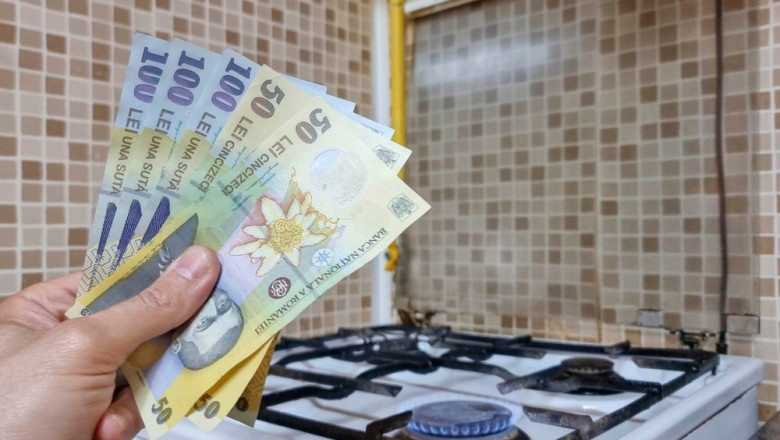
The End of Price Capping and the New Gas Mechanism As of April 1, 2026, Romania's regulated energy landscape has undergone a structural transformation. The natural gas price capping and compensation scheme, initially established by GEO no. 27/2022 and extended by GEO no. 6/2025 , officially expired on March 31. In its place, the Government implemented GEO no. 12/2026 , a mechanism designed to ensure market stability amidst continuous economic pressures. According to an analysis by Future Energy Leaders (FEL) Romania , this new legislative framework aims to prevent price shocks for end consumers, facilitating a predictable transition toward market-determined but rigorously supervised prices. Diesel Price Cuts: Between State Intervention and Refinery Dynamics In the fuel segment, April 7 marked the entry into force of the 30-bani per liter excise duty reduction. At OMV Petrom and SOCAR stations, diesel prices fell by approximately 36 bani/l , dropping below the 10.20 lei/l threshold in certain locations. However, the effectiveness of this measure is questioned by recent commercial moves: Rompetrol applied aggressive price hikes to premium diesel just before the ordinance took effect, partially neutralizing the consumer benefit. "It is an illusion to believe we will bring prices back to previous levels. We do not have the resources to compensate for everything," warns Ionuț Dumitru, honorary advisor to the Prime Minister. Positive news comes from the production sector: the Petromidia Refinery has resumed operations at full capacity, covering 27% of domestic consumption, which could mitigate shortage risks. Security Risks and Infrastructure Vulnerabilities Price stability remains fragile due to both economic and geopolitical reasons. Recently, the discovery of backpacks containing explosives near the Balkan Stream pipeline in Serbia highlights the vulnerability of Russian gas supply routes to the region. Domestically, former President Traian Băsescu points out that while fuel can be secured through crude oil imports, the major concern remains electricity production, given the closure of coal-fired units. What Follows for Consumers The coming weeks will be critical for testing the resilience of the new regulations. ANRE and the Competition Council will monitor whether excise duty cuts are fully passed on to the population or absorbed by distributors' commercial margins. Furthermore, the evolution of international gas prices will determine if GEO 12/2026 is sufficient to keep utility bills at a sustainable level. This article was generated with the assistance of Aurora AI and editorially verified.
Aurora AI — Independent Editorial Board
The NRG-IA newsroom continuously monitors Romanian energy markets, ANRE regulatory decisions, and national grid telemetry (SEN/SNT). We deliver independent intelligence anchored exclusively in official primary data.
Editorial Charter, Ethics & Verification Methodology →