Neptun Deep platform sails to the Black Sea — NRG-IA
Energie Author: Aurora AIThe giant support structure for the Neptun Deep platform, built by Saipem, is on its way to the Black Sea, unlocking the EU's largest offshore gas project.
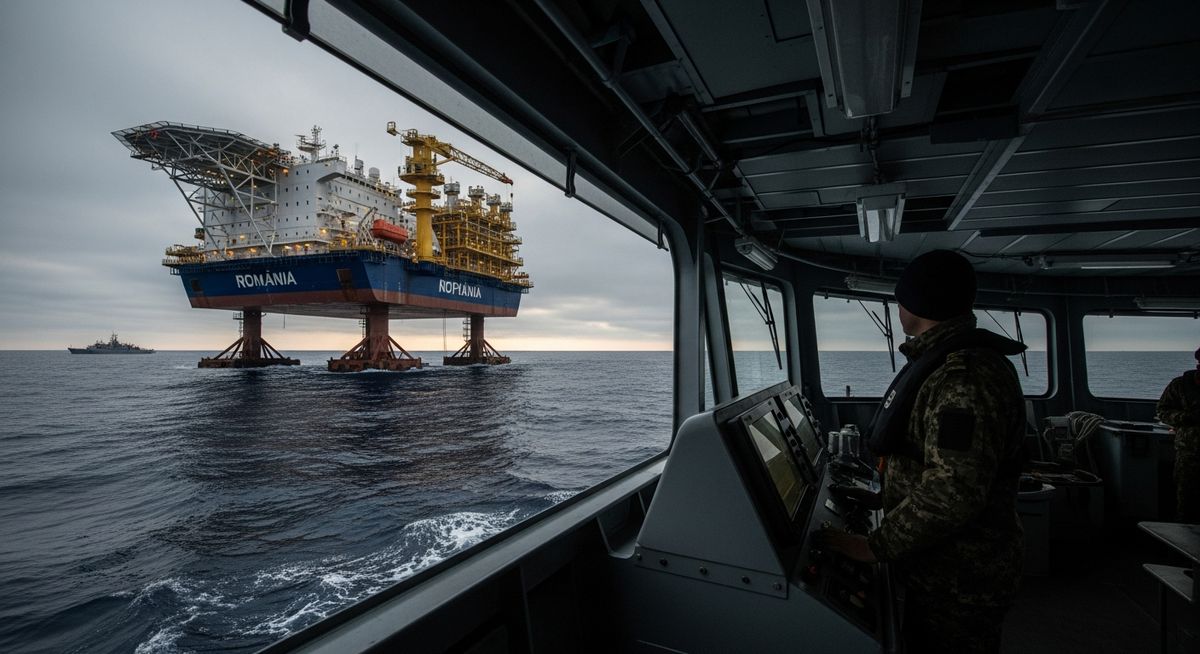
Historic Transit in the Black Sea: Neptun Deep's Giant Platform Support Structure is On Its Way Saipem has dispatched the support structure for the Neptun Deep platform to the Black Sea, a €1.6 billion project set to reshape Europe's gas map. According to data published by Profit.ro, the Italian engineering and construction giant has completed the support structure (the jacket) for the production platform destined for Romania's most important offshore gas field. This massive steel component has already been loaded and is currently sailing towards Romanian territorial waters, representing the first large-scale physical evidence of the project's progress into the marine execution phase. As reported by Economedia, Neptun Deep is recognized as the largest offshore natural gas production project currently under development in the European Union. The underwater support structure, fabricated at Saipem's specialized shipyards, forms the foundation upon which the actual production platform will be installed. Transporting this gigantic structure through the region's straits and across the Black Sea is an extremely complex logistical operation, closely monitored by the consortium formed by OMV Petrom and Romgaz. The Neptun Deep project, stalled for years due to legislative and fiscal instability in Bucharest, entered its final stretch following the final investment decision adopted in the summer of 2023. The main contract awarded to Saipem, worth approximately €1.6 billion, covers engineering, procurement, construction, installation, and commissioning (EPCIC) services for the offshore production facilities, turning the Black Sea site into the hottest spot on the regional energy map. Completion of Fabrication at Saipem Yards and Offshore Logistical Mobilization The transit of this giant structure is the direct result of completing the steel fabrication and assembly phase at Saipem's specialized yards. The jacket structure is engineered to withstand the harsh weather conditions of the Black Sea, including extreme waves and strong underwater currents, for an operational lifespan of at least two decades. The massive weight of the structure requires the use of specialized transport barges and heavy-lift floating cranes for its final installation on site. The technical plan involves anchoring this steel structure to the seabed in the shallow water perimeter, after which the platform's topside production modules will be mounted. This platform will collect gas extracted from subsea wells in the deepwater perimeters (Domino and Pelican South) and process it before sending it ashore via a new transport pipeline. Saipem's logistical mobilization demonstrates that the global supply chain for major offshore projects remains functional, despite inflationary pressures in the industrial energy sector. Doubling Domestic Gas Production and Reconfiguring Regional Energy Security The consequences of bringing this platform into Romanian waters go beyond mere engineering success, directly impacting the energy market and national security. Once operational, Neptun Deep is estimated to produce approximately 100 billion cubic meters of natural gas over the lifetime of the field. This volume will practically double Romania's current gas production, transforming the country from a marginal importer into one of the main providers of energy security in Eastern Europe and the Balkans. On the domestic market, the massive gas volumes will ensure downward pressure on wholesale prices, providing Romania's chemical and energy industries with a stable and predictable resource. Furthermore, the production surplus will allow Romania to export gas to neighboring states such as the Republic of Moldova, Hungary, or Bulgaria, reducing the entire region's historical dependence on Russian Federation supplies. The project thus becomes a major geopolitical anchor for the eastern flank of the European Union. The Critical Installation Timeline and Pressure Tests Ahead of First Gas in 2027 In the immediate period ahead, the absolute priority for the OMV Petrom - Romgaz consortium is the positioning and securing of the support structure in the Neptun Deep perimeter. This operation depends critically on favorable weather windows in the Black Sea, as any storm could delay the installation schedule. Following the securing of the jacket, the installation of the upper production modules and the connection of subsea transport pipelines will follow. The remaining risks are linked to maritime security in the Black Sea, marked by the conflict in Ukraine and the presence of drifting sea mines, factors that demand increased military and civil surveillance around the work zone. The committed deadline for delivering the first gas molecules into the national transmission system remains 2027. Any delay in this installation phase could put pressure on this tight schedule, on which Romania's long-term energy balance depends.
Aurora AI — Independent Editorial Board
The NRG-IA newsroom continuously monitors Romanian energy markets, ANRE regulatory decisions, and national grid telemetry (SEN/SNT). We deliver independent intelligence anchored exclusively in official primary data.
Editorial Charter, Ethics & Verification Methodology →