PPC power grids AI: new regional data centers — NRG-IA
Energie Author: Aurora AIPPC Group expands its data center network in Greece and Romania, as CEO Georgios Stassis announces the era of fusion between power grids and AI.
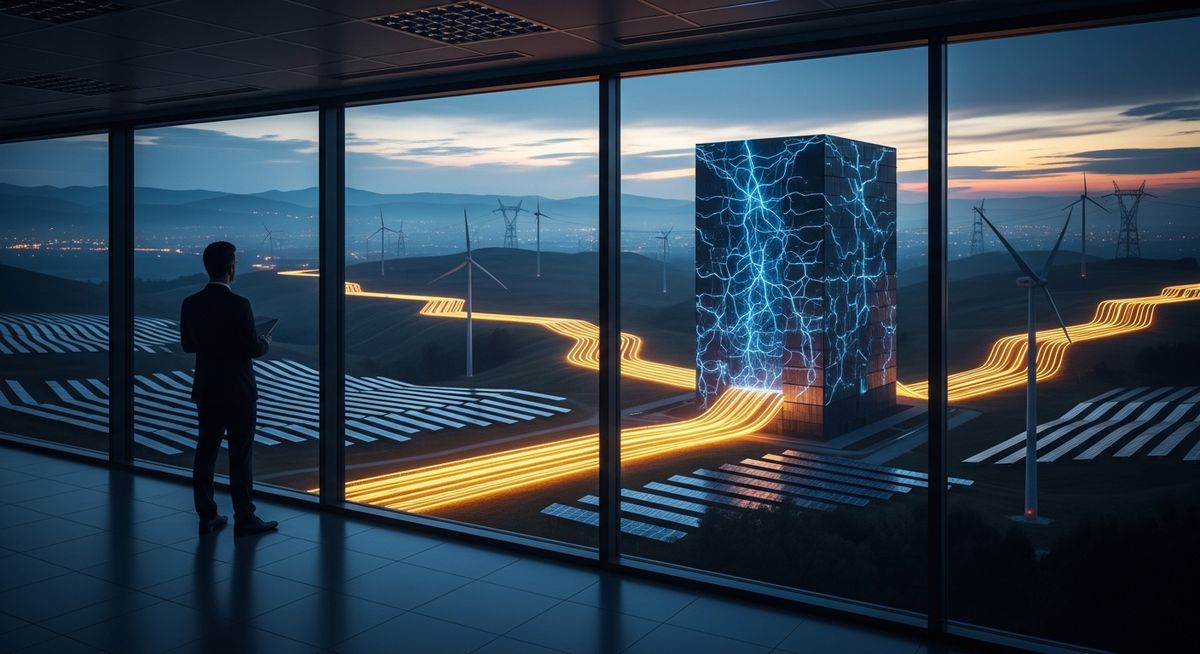
PPC builds regional data centers — what happened PPC builds regional data centers to integrate artificial intelligence into electrical grids. Georgios Stassis, CEO of the Greek group PPC, which is actively operating in Romania, declared that the energy sector has officially entered the "era of electrical intelligence"—a developmental phase where energy and AI technology become interdependent. His statements, reported by Economica.net and e-nergia, mark a major shift in the regional strategy of the utility giant. The company is no longer limiting itself to the traditional role of electricity producer and supplier, but is instead taking on the role of developer of critical digital infrastructure. The Greek group has already launched a massive data center project in Greece and intends to replicate this digital integration model across its entire operating region, including Romania. In the view of PPC's management, the future of the energy system directly depends on the capacity to ensure deep structural collaboration between major energy operators and leading digital technology developers. Direct synergy between renewable sources and massive digital computing consumption At the heart of this strategic decision is the exponential growth in energy demand from AI-dedicated data centers, a phenomenon outpacing the current expansion rate of electrical grids. A single large-scale data center can consume energy equivalent to that of a medium-sized city, putting unprecedented pressure on regional electrical transmission nodes. According to data published by Economica.net, the rapid development of AI algorithms requires computing capacities that double their energy consumption at extremely short intervals. To prevent grid bottlenecks, PPC is implementing a strategy of directly locating data centers near its clean energy generation parks. This approach eliminates the need to transport energy over long distances and reduces technical losses in high-voltage grids. The group is leveraging its massive portfolio of renewable assets in Greece and Romania to directly power these new digital hubs, creating a closed loop of energy efficiency. An analysis published by e-nergia highlights that this structural fusion requires new dedicated generation units capable of delivering stable power. PPC is banking on pairing wind and solar production with battery-based storage to ensure the continuous, 24/7 power supply demanded by major AI server operators. Pressure on transmission networks and the risk of distribution tariffs Integrating data centers into the regional energy system brings a series of regulatory and commercial challenges that could influence end-user bills. Without rigorous planning, the emergence of industrial consumers of this magnitude risks creating congestion in local distribution networks. These technical limitations could force system operators to make urgent, massive investments to reinforce the grids. In NRG-IA’s view, the costs of these modernization investments, if approved by regulatory authorities such as ANRE in Romania, could be partially transferred into the distribution tariffs paid by all consumers, including households. For this reason, PPC’s model of direct connection to generation sources represents a solution to protect the public grid. On the other hand, using artificial intelligence algorithms in smart grid management promises to optimize energy flows. By utilizing highly accurate consumption forecasts, PPC could reduce technical imbalance costs, a benefit that could temper tariff pressure in the long run. Securing battery storage and integration with system operators The next essential step for PPC consists of obtaining technical grid connection permits for its new high-power storage capacities. Without adequate storage infrastructure, matching the fluctuating production of solar and wind plants with the constant consumption of data centers cannot be safely achieved for the national energy system. The Greek group targets tight deadlines for developing these capacities, but success depends on the reaction speed of transmission system operators, such as Transelectrica in Romania. Bureaucratic bottlenecks or delays in expanding national transmission grids represent the primary risk that could postpone the operationalization of data hubs scheduled for the second half of this decade. Furthermore, cross-border cooperation in Southeast Europe is becoming critical. The interconnection of energy markets in Greece, Bulgaria, and Romania will need to be adapted to allow the rapid transfer of clean energy surpluses to regional digital nodes, thereby defining the future map of electrical intelligence in the region.