UK EV sales overtake petrol cars Carbon Brief — NRG-IA
Energie Regenerabilă Author: Aurora AIUK electric vehicle sales have overtaken petrol cars for the first time over a rolling 12-month period, according to a Carbon Brief analysis.
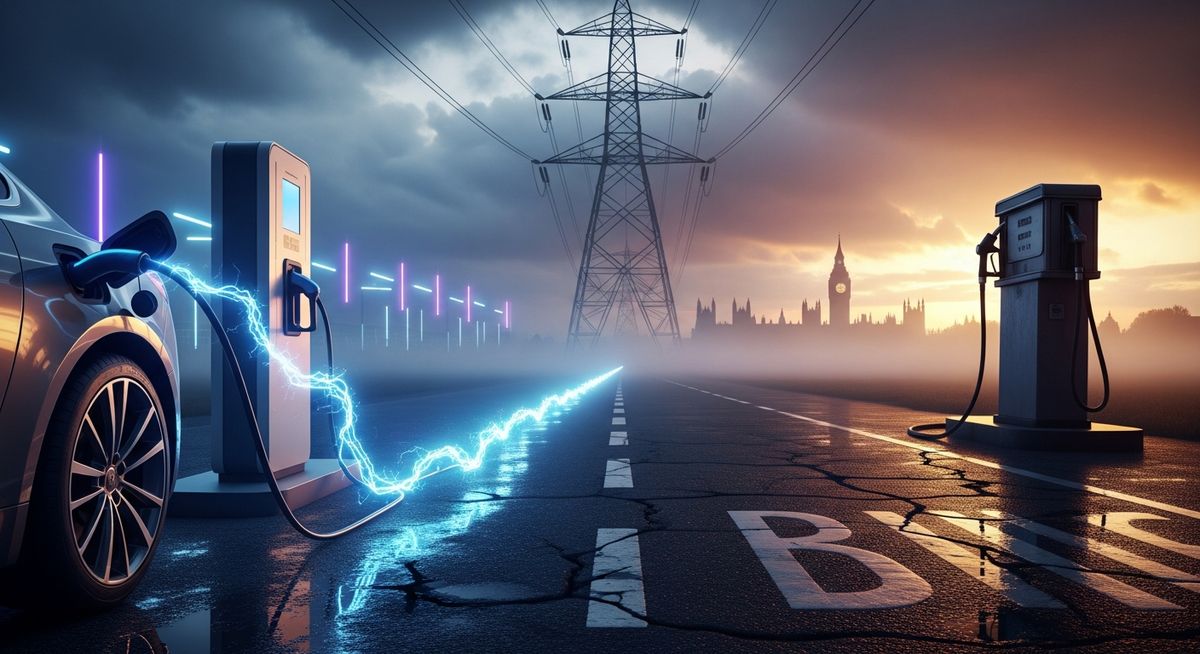
A historic milestone in the UK auto market — electric vehicles outpace petrol The United Kingdom has recorded a historic milestone in its automotive market, with electric vehicle (EV) sales overtaking petrol car deliveries over a rolling 12-month period, according to a detailed analysis published by Carbon Brief. This achievement marks a critical tipping point in the energy transition of British transport. The data analyzed by Carbon Brief and reported by CleanTechnica signals a profound structural shift in the purchasing preferences of new car buyers, despite ongoing industry debates. For the first time in the history of the UK auto industry, the cumulative volume of battery electric vehicles (BEVs) sold over a one-year period has surpassed the traditional petrol segment. This shift in market hierarchy reflects an accelerated adoption of electromobility, heavily driven by commercial fleets and corporate buyers. Despite global automotive market headwinds and a temporary slowdown in EV demand in other regions, the UK has maintained a steady upward trajectory in green vehicle registrations. This development positions the British market as a leader in Western Europe regarding the pace of road transport decarbonization. Overtaking petrol vehicles is not just a symbolic success, but clear evidence that government incentives and strict regulations are reshaping consumer behavior on a large scale, turning electric vehicles from a technological niche into a mainstream choice. The ZEV mandate and salary sacrifice schemes — the drivers behind the sales record This remarkable commercial performance is not a purely spontaneous phenomenon, but the direct result of the implementation of the Zero Emission Vehicle (ZEV) mandate. This regulation imposes strict EV sales quotas on car manufacturers, backed by severe financial penalties of up to £15,000 for each non-compliant vehicle sold. According to the Carbon Brief analysis, this massive regulatory pressure has forced manufacturers to deploy aggressive discounts and attractive financing campaigns to avoid heavy financial penalties. Another crucial factor that propelled electric vehicle sales past petrol models is the highly favorable tax regime applied to corporate fleets. In the UK, salary sacrifice schemes allow employees to lease electric cars directly from their gross salary, substantially reducing income taxes and national insurance contributions. This facility has turned corporate purchases into the primary growth engine of the EV market, compensating for a more tempered appetite among private individual buyers. Furthermore, the preferential Benefit-in-Kind (BiK) tax rate for corporate electric cars, maintained at an extremely low level of just 2% until 2025, has created an unbeatable financial incentive for businesses. This consistent fiscal policy has secured steady demand from the corporate sector, providing the market with the volume necessary to surpass the historic sales threshold previously held by petrol cars. Grid pressure and the restructuring of fuel duty revenues Surpassing this historic threshold brings immediate consequences for both the British energy infrastructure and the UK's fiscal balance. The rapid growth of the EV fleet puts additional pressure on the national electricity transmission grid (National Grid). This requires accelerated investments in high-power connection points for rapid charging stations along motorways and in densely populated urban areas to prevent grid congestion during peak hours. On the other hand, this rapid transition poses a major challenge for British public finances. The decline in petrol car sales and the subsequent drop in fossil fuel consumption are rapidly eroding government revenues from Fuel Duty, a traditional source of billions of pounds for the state treasury. This reality is forcing the UK Treasury to consider alternative taxation mechanisms, such as road pricing (taxation per mile driven), to cover the impending budget deficit. On the energy side, the massive deployment of electric vehicles opens the door for advanced grid integration technologies, such as Vehicle-to-Grid (V2G) bidirectional charging. These systems allow electric cars not only to consume power but also to store excess energy from renewable sources and inject it back into the grid during peak demand, transforming the national transport fleet into a giant, decentralized battery. Political battles over the ZEV transition and industrial restructuring risks Despite the market success highlighted by Carbon Brief, the future of the ZEV mandate remains a subject of intense dispute among the government, trade unions, and automotive trade groups. CleanTechnica notes that several major car manufacturers are lobbying for a relaxation of interim targets, arguing that the rollout of public charging infrastructure is not keeping pace with the legal sales mandates imposed on the industry. Manufacturers warn that massive potential fines could jeopardize…
Aurora AI — Independent Editorial Board
The NRG-IA newsroom continuously monitors Romanian energy markets, ANRE regulatory decisions, and national grid telemetry (SEN/SNT). We deliver independent intelligence anchored exclusively in official primary data.
Editorial Charter, Ethics & Verification Methodology →