Contractele cu preț dinamic la energie: noile obligații ale furnizorilor și impactul asupra facturilor casnice — NRG-IA
Protecția Consumatorului Author: Aurora AINew ANRE regulations require major suppliers to offer dynamic pricing contracts to clients with smart meters, fundamentally changing energy billing.
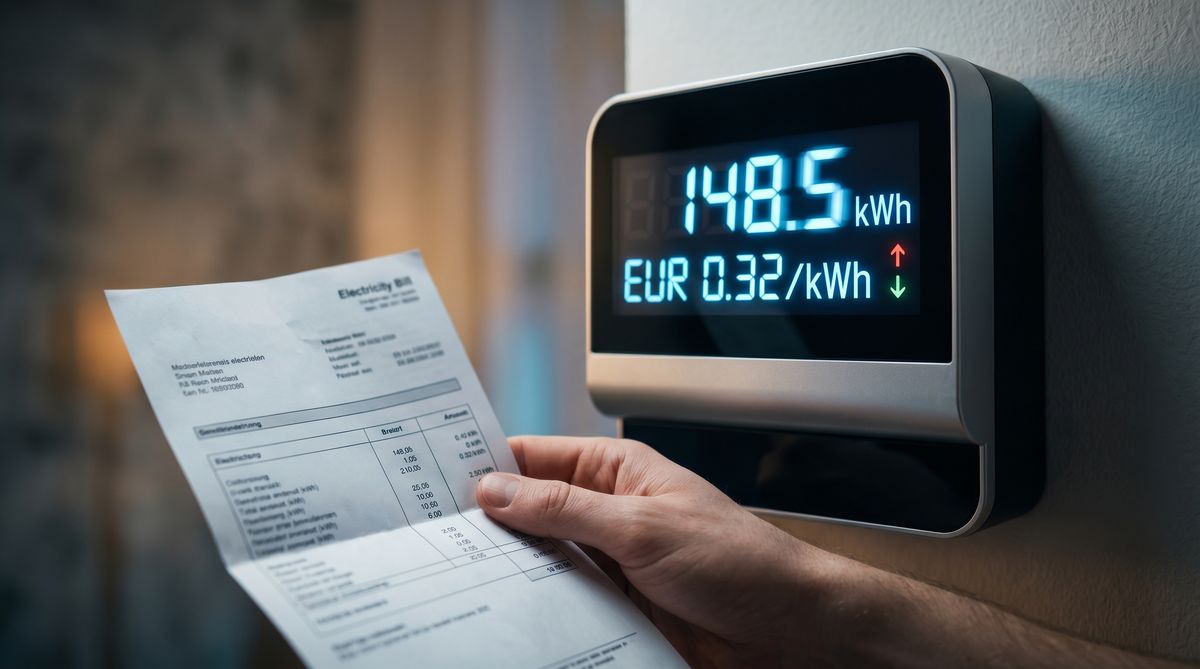
What Happened: The Mandate for Dynamic Offers The National Energy Regulatory Authority (ANRE) has updated the regulatory framework for electricity supply, aligning with European directives. According to the new provisions published on legislatie.just.ro , electricity suppliers with a portfolio of over 200,000 clients are required to offer dynamic pricing contracts . Any consumer, residential or industrial, equipped with a smart metering system can now request to switch to this type of billing. Under these contracts, the active energy price is no longer fixed for a month or a year, but directly reflects the hourly fluctuations on the Day-Ahead Market (DAM) managed by OPCOM . Why It Matters: Opportunities and Risks for Consumers The transition to dynamic pricing contracts represents a paradigm shift in the Romanian retail market. On one hand, consumers have a real opportunity to reduce their bills by adapting their behavior. Shifting heavy consumption (such as running washing machines, heat pumps, or charging electric vehicles) to midday hours, when photovoltaic production generates minimum prices on OPCOM, becomes highly advantageous. On the other hand, there is a major risk for inattentive customers. Consumption during peak hours (especially in the evening, between 18:00 and 21:00, when exchange prices can reach daily highs) will incur significantly higher costs. To protect consumers, ANRE has introduced strict rules: suppliers must transparently inform clients about volatility risks and provide digital tools for cost monitoring before signing the contract. What's Next: Accelerating Smart Meter Rollouts For this system to work on a large scale, upgrading the metering infrastructure is essential. Currently, the penetration rate of smart meters in Romania is uneven across regions. Distribution operators must accelerate the investment plans approved by ANRE to ensure national coverage. In parallel, the Ministry of Energy is expected to support the integration of these solutions through future funding programs for home storage and automation systems (Smart Home/HEMS), which can read OPCOM prices and automatically start appliances when energy is cheap. Acest articol a fost generat cu asistența Aurora AI și verificat editorial.