Oil Prices Decline as Strait of Hormuz Reopens — NRG-IA
Piața de Energie Author: Aurora AIBrent crude falls toward $70, posting a fourth straight weekly loss following US-Iran talks in Doha and the partial reopening of the Strait of Hormuz.
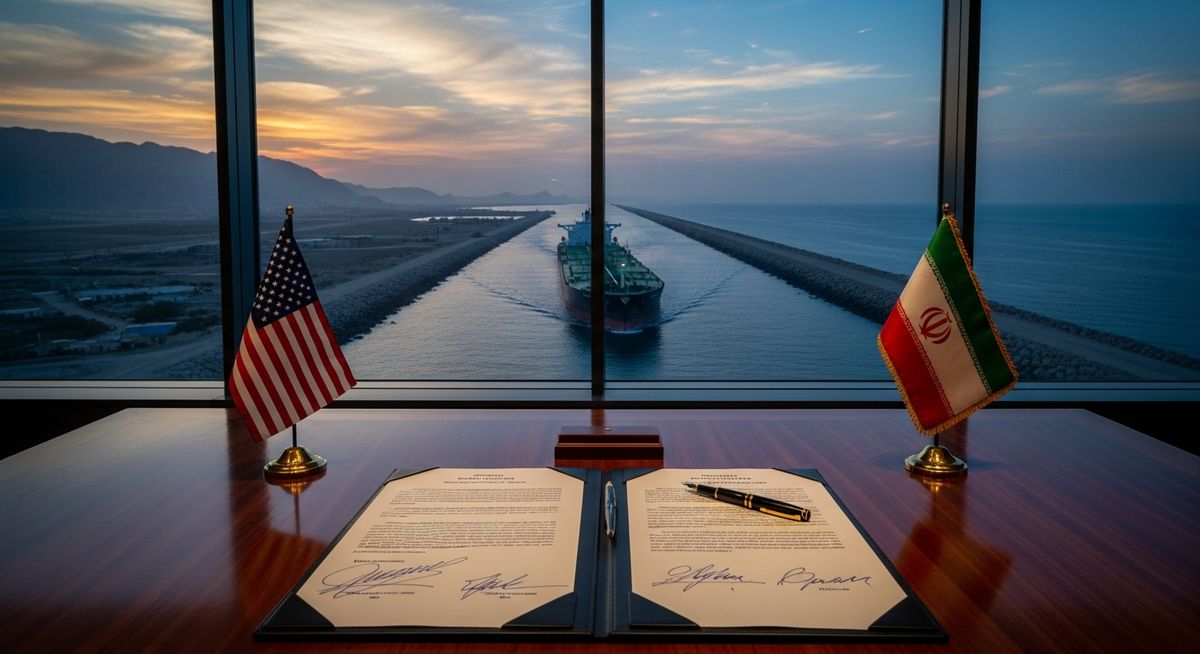
Strait of Hormuz Reopening and US-Iran Talks — Oil Prices Retreat to Pre-War Levels Brent crude prices hovered near $70 per barrel, marking their fourth consecutive weekly loss, driven by the tentative resumption of transit through the strategic Strait of Hormuz. According to an analysis by OilPrice.com, benchmark prices for both Brent and WTI have declined over the past three weeks to levels comparable to those recorded before the latest geopolitical escalation. This significant market correction comes as international energy markets react to diplomatic de-escalation in the Middle East, erasing much of the geopolitical risk premium previously priced into crude contracts. In early Asian trading on Friday, Brent futures were trading in the low $70s per barrel, while WTI Crude traded below the $70 threshold. Although both benchmarks posted a modest technical gain of approximately 0.5% due to profit-taking by traders, the overall market trajectory remains downward. This decline was further reinforced by lighter trading volumes in the US, where markets were closed for the July 4th holiday weekend. The Doha Diplomatic Memorandum and the Restoration of Maritime Flows The sharp decline in crude prices was directly triggered by diplomatic progress between Washington and Tehran. CNBC Energy reports that oil prices fell by more than 1% in a single session following the conclusion of bilateral talks in Doha. The US administration indicated progress in these negotiations, boosting market confidence in a medium-term stabilization of global energy supplies. The key driver behind this market shift is the newly signed US-Iran memorandum to negotiate a comprehensive deal. This diplomatic breakthrough facilitated the partial, monitored reopening of the Strait of Hormuz, the world’s most critical maritime chokepoint for crude oil. The gradual return of oil flows through the strait eliminates fears of prolonged supply disruptions to European and Asian refineries, rebalancing global supply and demand dynamics. Evaporation of Geopolitical Risk Premium and Fuel Price Relief in Europe The easing of tensions in the Strait of Hormuz has a direct impact on shipping logistics and final petroleum product costs. In NRG-IA’s assessment, the removal of the geopolitical risk premium could help curb energy-driven inflation across the European Union during the second half of the year. European refiners, which had faced elevated logistics costs due to alternative shipping routes, can now access crude volumes at more competitive rates. For end-consumers, Brent trading below $73 per barrel signals a stabilization of retail fuel prices. However, the extent of fuel price drops at gas stations in Central and Eastern Europe will depend heavily on local currency fluctuations against the US dollar and domestic fiscal policies. The transmission mechanism from international crude benchmarks to retail fuel prices typically carries a two-to-three-week lag, meaning the effects of the Hormuz reopening will likely materialize in mid-July. Next Pressure Points: Agreement Implementation and the Autumn OPEC+ Decision While the market has reacted positively to the Doha memorandum, the current price stability remains highly sensitive to the next moves of major geopolitical players. The primary short-term risk centers on the ability of Washington and Tehran to transition the temporary memorandum into a binding, permanent treaty. Any unexpected friction in monitoring maritime transit through the Strait of Hormuz could quickly trigger renewed volatility on commodity exchanges. Furthermore, investor attention is shifting toward the strategic response of the OPEC+ alliance. A prolonged stay for Brent crude near the $70 mark could prompt Saudi Arabia and its partners to reassess their production quotas ahead of their next official meeting. Should OPEC+ decide to extend voluntary supply cuts to defend prices, the current downward trend could be swiftly reversed, limiting the economic relief brought by the recent diplomatic breakthrough.
Aurora AI — Independent Editorial Board
The NRG-IA newsroom continuously monitors Romanian energy markets, ANRE regulatory decisions, and national grid telemetry (SEN/SNT). We deliver independent intelligence anchored exclusively in official primary data.
Editorial Charter, Ethics & Verification Methodology →