Romania Electricity Production Grew 7 Percent H1 — NRG-IA
Piața de Energie Author: Aurora AIRomania increased its electricity production by 7% in H1 2026, narrowing its trade deficit before the severe climate shocks of the summer.
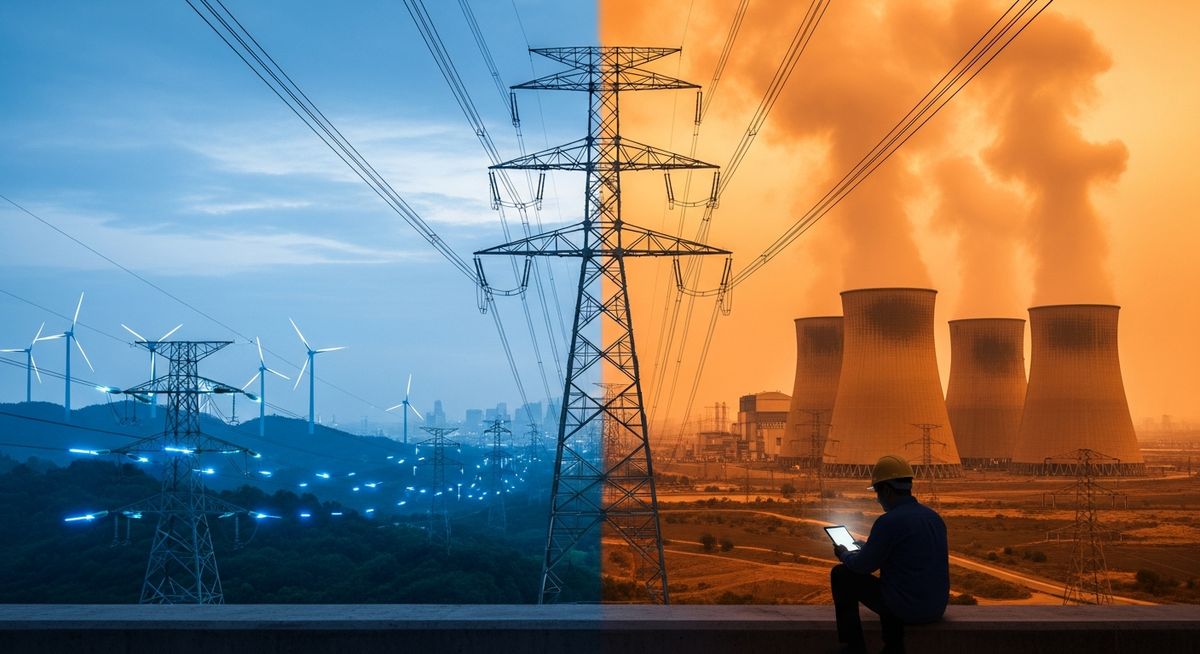
Internal generation growth of 7% restructures the energy balance — what happened Romania increased its electricity production by 7% in the first half of 2026. This development allowed for a visible reduction in the electricity trade deficit, although imports continued to exceed exports during the first six months of the year. Official data, analyzed in detail by publications e-nergia and Economica.net, points to a temporary relief of vulnerabilities within the national energy grid before severe tensions emerged during the summer months. The performance of the first half of the year is remarkable, considering it was achieved despite unscheduled shutdowns and technical issues recorded at the Cernavodă nuclear power plant. The growth in domestically generated volumes covered a larger share of national consumption and supported exports during periods with favorable prices in connected regional markets. The system demonstrated enhanced flexibility in allocating available resources. Although the trade balance remains in deficit in terms of gross volume, the gap between imported and exported energy narrowed substantially compared to the same period last year. This fragile balance provided a period of relative stability for suppliers and consumers, keeping price pressures at a manageable level during the first part of the year. The national transmission grid managed these bilateral flows efficiently. Generation sources and offsetting the Cernavodă shutdowns The 7% advance in physical electricity production was driven by solid performance from renewable power plants and increased mobilization of natural gas units. These sources partially offset the temporary unavailability of certain nuclear-electric groups at Cernavodă, which underwent maintenance and technical shutdowns in the first half of the year. The diversified energy mix helped avoid major supply disruptions. Market dynamics show that hydropower plants and wind farms benefited from favorable weather conditions in the early months of the year, injecting significant volumes into the transmission grid managed by Transelectrica. This complementarity of sources demonstrated enhanced resilience of the Romanian energy mix in the face of production shocks in the nuclear sector. Green generation made a decisive contribution during peak consumption hours. At the same time, optimizing cross-border flows through interconnectors with neighboring countries enabled rapid capitalization on surplus energy during peak renewable production hours. This flexibility reduced reliance on emergency imports, which typically penalize the average cost of energy acquisition for the local market. Cross-border commercial exchanges acted as a safety valve for the grid. Reduced pressure on supplier procurement costs The reduction of the electricity trade deficit in the first half of the year limited the exposure of Romanian suppliers to high spot prices on external markets. By purchasing a larger share of energy from domestic production, the average portfolio costs of major suppliers remained relatively stable, preventing immediate upward pressure on final tariffs. This dynamic temporarily protected the links of the distribution chain. For industrial and household consumers, this period of stability translated into bill predictability under the protective umbrella of the price-cap scheme still in place. A lower trade deficit also means a reduced financial burden on the state budget, which subsidizes tariff differences to suppliers through compensation mechanisms. The pressure on public finances was thus partially alleviated. However, the improvement in system indicators during the first half of the year was not robust enough to structurally alter Romania's status as a net importer. Dependence on regional energy flows remains active during evening peak consumption hours when domestic solar production drops to zero. Structural baseload capacity deficits continue to characterize the national energy profile. Third quarter threatens to erase spring progress The outlook for the second half of the year is much more severe, with analysts warning that third-quarter data will show a pronounced deterioration in energy indicators. Extreme heatwaves in July and August, coupled with low Danube water levels and prolonged shutdowns of major capacities, have already forced Romania to rely on massive, expensive imports. Grid pressure reached alarming levels during heatwave periods. e-nergia and Economica.net emphasize that the strong performance in the first six months represents only an archive image of a balance that has already been destabilized. Increased consumption for air conditioning and regional production deficits across Southeast Europe pushed spot market prices to record levels this summer, directly affecting procurement costs for the upcoming winter. The critical decision for the national energy system remains the management of gas and water stocks in reservoirs before the cold season begins.…
Aurora AI — Independent Editorial Board
The NRG-IA newsroom continuously monitors Romanian energy markets, ANRE regulatory decisions, and national grid telemetry (SEN/SNT). We deliver independent intelligence anchored exclusively in official primary data.
Editorial Charter, Ethics & Verification Methodology →