Romania energy production drops by 1.5% in early 2026 — NRG-IA
Energie Author: Aurora AIRomania's energy production fell by 1.5% in early 2026 as household consumption dropped by over 10%, according to official INS data.
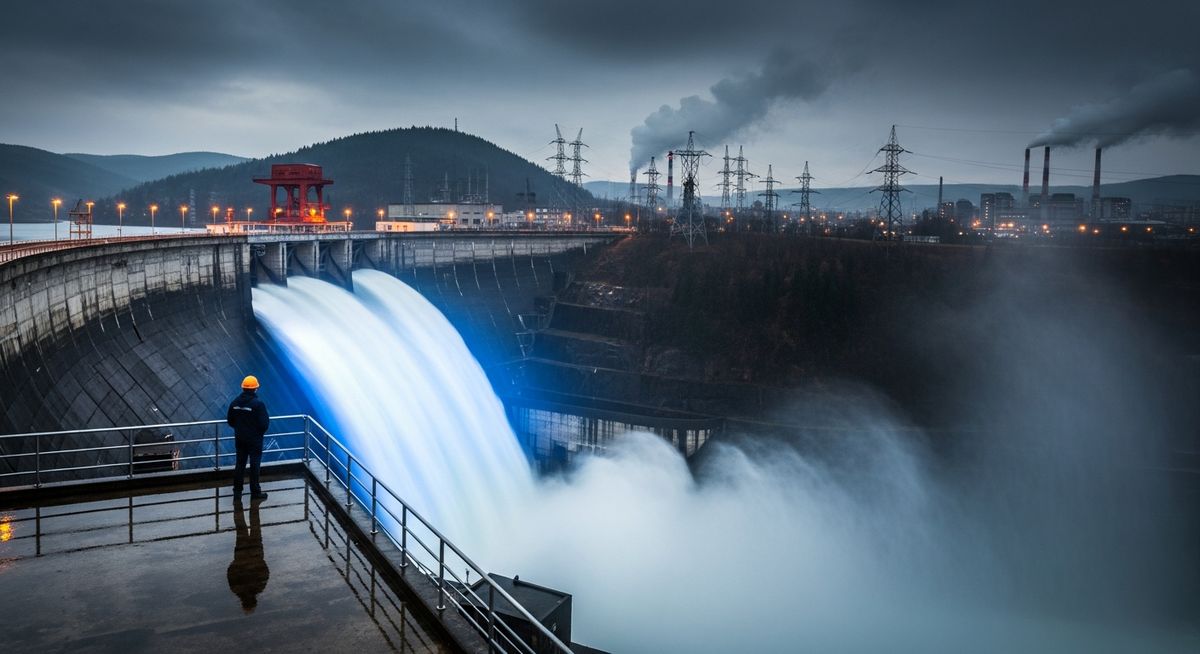
A 1.5% decline in Romania's energy production — what happened Romania's energy production decreased by 1.5% in the first four months of 2026, according to official data published on Monday by the National Institute of Statistics (INS). This contraction of domestic supply occurred alongside a more pronounced 2.7% reduction in final electricity consumption nationwide. Reports analyzed by Forbes România and Economica.net point to a profound reconfiguration of national resources and flows between January 1 and April 30, 2026. Primary energy resources experienced a 3.3% decline, totaling 10,482.4 thousand tonnes of oil equivalent (toe). Within this landscape of overall contraction, the production structure underwent massive balance shifts due to a reorganization of sources in the national mix. Although overall generation activity slowed down, the system benefited from increased contributions from specific sources, which offset the decline in fossil fuels. This trend exposes a structural vulnerability related to the dynamics of industrial and domestic demand, both of which were on a downward trend at the start of this year. The collapse of household demand and favorable hydrological conditions The drop in total production is closely linked to a severe reduction in domestic demand, particularly from residential consumers, which offset production efforts. Data published by G4Media and Mediafax show that Romanian households cut their electricity consumption by over 10% during the first four months of the year. This sharp decline in household consumption contrasts strongly with the trend in the broader economy, where industrial consumption recorded a much milder decrease of just 0.4%. On the supply side, weather factors and excellent hydrology completely reshaped the national generation mix. Ziarul Financiar notes that hydroelectric production surged by over 30% compared to the same period last year, becoming the main pillar supporting the grid. Digi24 Energie confirms that this performance was further supported by significant growth in renewable energy sources, particularly wind and solar. In practice, favorable weather conditions allowed for a rapid and natural decarbonization of generation, even though total primary resources were lower. This abundance of green energy limited the operational requirements for coal or gas plants, which recorded reductions in activity. Reduced grid pressure and shifts in the commercial energy mix The simultaneous drop in household consumption and the rise of green generation significantly reduce operational pressure on the national transmission grid managed by Transelectrica. The surplus of cheap, clean hydro power partially replaces more expensive fossil-fuel baseload generation, offering a competitive advantage in market allocation. However, the contraction in industrial and domestic demand reflects a slowdown in overall economic activity rather than purely structural energy efficiency by consumers. This dynamic directly influences spot market prices operated by OPCOM, where cheap hydro bids can temper tariffs during peak production hours. Additionally, reliance on imported primary energy resources could decrease, aligned with the overall 3.3% reduction in total resources. However, the drop in domestic demand limits commercial opportunities for local producers, who are forced to adjust their volumes or seek regional export markets. The shift in industrial pace puts pressure on utility suppliers' profit margins, as they face lower traded volumes. Volatility risks in summer months and grid adaptation The major challenge for the coming months remains managing intermittent renewable production during extreme summer heatwaves. While hydro plants offer excellent flexibility, seasonal drops in Danube and inland river water levels during summer could restrict this cheap resource. Furthermore, a potential recovery in industrial demand remains uncertain, keeping the energy market in a fragile and unpredictable equilibrium. The national transmission system operator must carefully manage cross-border flows to prevent grid congestion during peak solar production hours. Investment decisions in battery storage capacity are becoming critical to secure the system during the second half of the year. Without a tight correlation between green generation and actual consumption, the risk of negative prices or major grid imbalances remains high.