Domestic Production Pushes Limits at Caragele as Neptun Deep Promises 20 Billion Euro for the State Budget — NRG-IA
Gaze Naturale Author: NRG-IARomgaz reaches a 5,256m record at Caragele, while Neptun Deep promises €20B for the budget. Analysis of diesel prices and the LNG crisis in Europe.
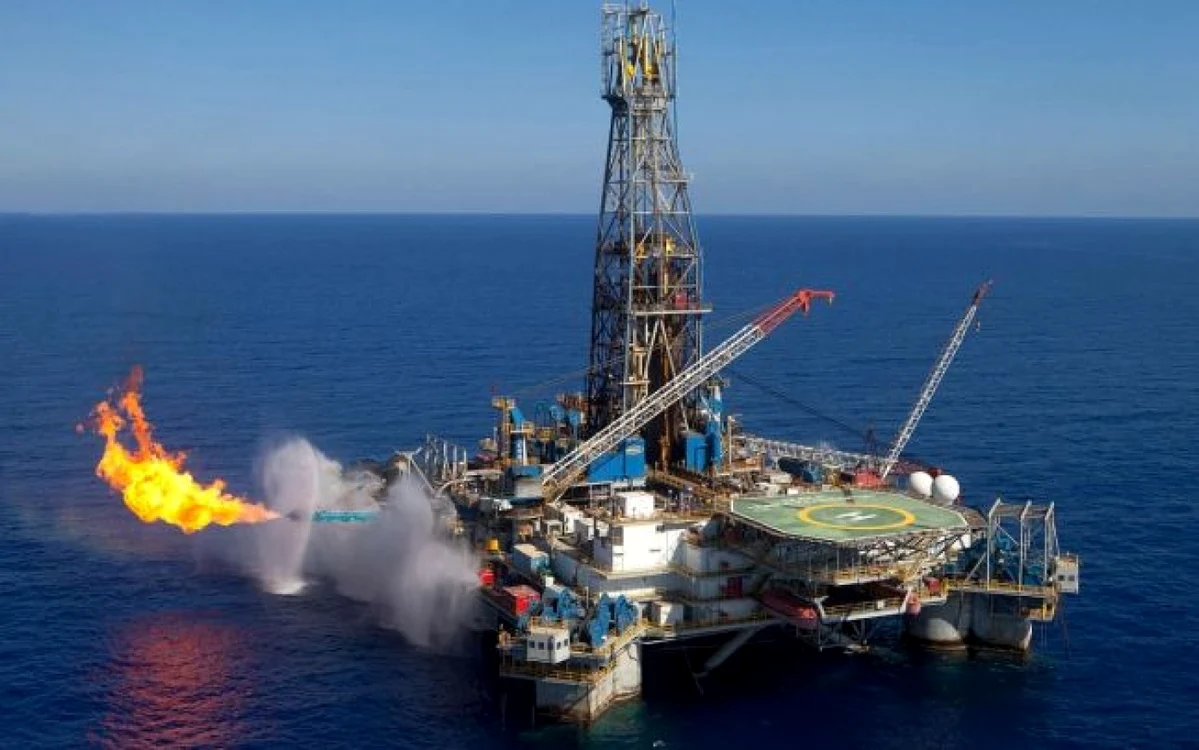
Drilling Record at Caragele and Neptun Deep Outlook The Romanian energy sector marks a significant technical milestone in the Caragele project. The fourth well, 76 Rosetti , has reached a record depth of 5,256 meters . According to official data, this field is estimated to enter production at the beginning of the second quarter of 2026, expected to provide approximately 4% of Romania's total production for the 2026-2027 winter. In parallel, former Energy Minister Virgil Popescu provided new financial projections for the Neptun Deep offshore project. He estimates that the exploitation will bring over 20 billion euros to the state budget over the project's duration, without the need for new taxes. Annual revenues are forecasted at 1.5-2 billion euros starting in 2027, the production debut date. Pump Fluctuations: Between Local Drops and International Pressure The Romanian fuel market recorded a correction movement on April 10, 2026. Market leaders Petrom and OMV applied significant discounts, with the price of diesel dropping by up to 35 bani per liter . This adjustment follows a period of volatility caused by excise duty changes. However, the international context remains tense. Energy Minister Bogdan Ivan warned about the vulnerability of domestic prices to oil barrel quotes. According to the ministry's analysis, every 10-dollar increase in the price of a barrel translates into a 45-bani increase per liter of diesel at filling stations. This correlation highlights the need for mitigation measures if Middle East tensions continue to pressure global prices. Europe's Vulnerability to LNG Supply Although gas storage is at optimal levels, Europe faces the risk of a new natural gas crisis caused by its dependence on Liquefied Natural Gas (LNG) . Supply chain disruptions, directly linked to geopolitical instability, have led to a new price surge on European exchanges. "Investors placed a bet of approximately 950 million dollars on the decrease of oil prices just hours before the announcement of a truce between the US and Iran," financial market sources report. This extreme volatility also affects other economic sectors. During Easter, dynamic tariffs applied by transport and tourism companies reflect the pressure of energy costs and high demand, generating visible price hikes for end consumers. This article was generated with the assistance of Aurora AI and editorially verified.
NRG-IA — Independent Editorial Board
The NRG-IA newsroom continuously monitors Romanian energy markets, ANRE regulatory decisions, and national grid telemetry (SEN/SNT). We deliver independent intelligence anchored exclusively in official primary data.
Editorial Charter, Ethics & Verification Methodology →