Europe Nuclear Energy Renaissance: AI Boom and Grid Demand — NRG-IA
Energie Regenerabilă Author: Aurora AIEurope fast-tracks nuclear energy investments under the double pressure of the AI boom and geopolitical gas market shocks.
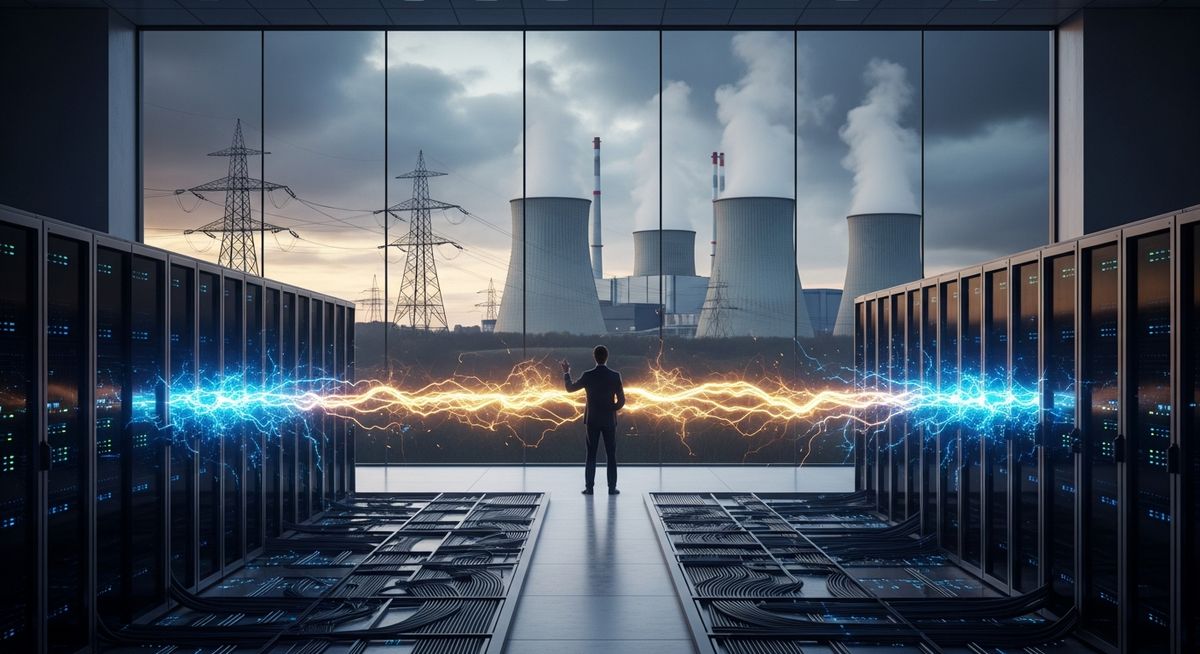
Data Center Power Demand Accelerates Europe's Nuclear Revival — what happened The European Union is accelerating plans to expand nuclear energy to power artificial intelligence data centers, recent market data shows. The massive digital transition and the expansion of artificial intelligence are generating unprecedented electricity consumption across the continent. Driven by this demand, European governments and regulators are shifting their policies decisively in favor of atomic energy. This sector is undergoing an accelerated revival, which experts are calling a new golden age for nuclear power. This paradigm shift comes at a time when European power grids are already heavily strained. Data centers require stable, baseload power, which intermittent renewable sources cannot guarantee on their own without massive energy storage capacities. Consequently, nuclear reactors are becoming the cornerstone of Europe's new industrial energy strategy. Global tech giants are actively seeking non-intermittent, zero-carbon energy sources, and nuclear power is the only mature technology capable of continuously delivering massive volumes of electricity. Furthermore, political support for nuclear energy has consolidated across European institutions. The inclusion of nuclear energy in the EU taxonomy for sustainable investments has paved the way for private financing of both traditional reactor projects and Small Modular Reactors (SMRs). This historic decision has removed the financial stigma surrounding the sector, allowing investment banks to finance large-scale nuclear projects. Gulf Geopolitical Tensions and the Triple Energy Shock Europe's energy security has been severely impacted by three major shocks over the past four years. The most recent incident, in March 2026, saw natural gas prices double due to military actions in the Gulf region. These repeated crises have exposed the continent's extreme vulnerability to fossil fuel imports from unpredictable trade partners. The heavy reliance on Liquefied Natural Gas (LNG) and volatile maritime routes poses a major systemic risk to European economies. In this context, member states are actively seeking domestic solutions to secure long-term energy independence. Nuclear energy offers a stable alternative, unaffected by weather conditions or geopolitical blockades in global shipping straits. The pressure to completely halt energy purchases from hostile sources is forcing governments to re-evaluate the operational lifespans of existing reactors and fast-track new projects. Moreover, diversifying oil and gas import sources is becoming increasingly difficult and expensive. While major producers, such as OPEC, focus their long-term demand growth forecasts on Asian markets like India, Europe is forced to reduce its hydrocarbon consumption and rapidly electrify its economy. In this equation, nuclear energy is no longer just an environmental option, but an absolute national security necessity. Grid Transmission Pressures and Baseload Power Deficit Risks Integrating large-scale data centers into European grids risks causing major congestion and frequency imbalances. Without consistent baseload generation, electricity prices on spot markets could experience extreme volatility, directly impacting the bills of both industrial and household consumers. However, massive investments in nuclear reactors require multi-billion-euro budgets and execution timelines that often exceed a decade, leaving a short-term supply gap. Until new units are commissioned, price pressures will remain high on wholesale energy markets. This phenomenon coincides with efforts to decarbonize heavy industry, which also relies on clean, stable electricity. While major industrial consumers are signing long-term power purchase agreements (PPAs) directly with nuclear producers, household consumers could face higher distribution tariffs. These tariffs are necessary to finance the upgrade of electricity transmission networks. Furthermore, competition for clean energy resources is intensifying between the technology sector and traditional heavy industries (such as steel and chemicals). If data centers absorb the majority of available nuclear energy, the rest of the economy could remain dependent on expensive fossil fuels or electricity imports from neighboring markets, worsening the European Union's energy trade deficit. Deadlines for New Reactors and the Project Financing Challenge The next two years will be decisive for establishing the financing framework for new nuclear reactors and SMR units in Europe. Member states must transpose the new European guidelines on state aid for low-carbon energy projects by the end of this decade. A major challenge remains the nuclear fuel supply chain and technological dependence on uranium processing outside the European Union. Without a clear strategy for recycling critical materials and securing fuel supplies, the nuclear revival could be delayed by significant logistical…