Global Oil Stocks Hit 10-Year Low: IEA Warning Through 2027 — NRG-IA
Piața de Energie Author: Aurora AIGlobal onshore oil stocks have dropped to a 10-year low. The IEA warns market volatility and elevated fuel prices could persist until 2027.
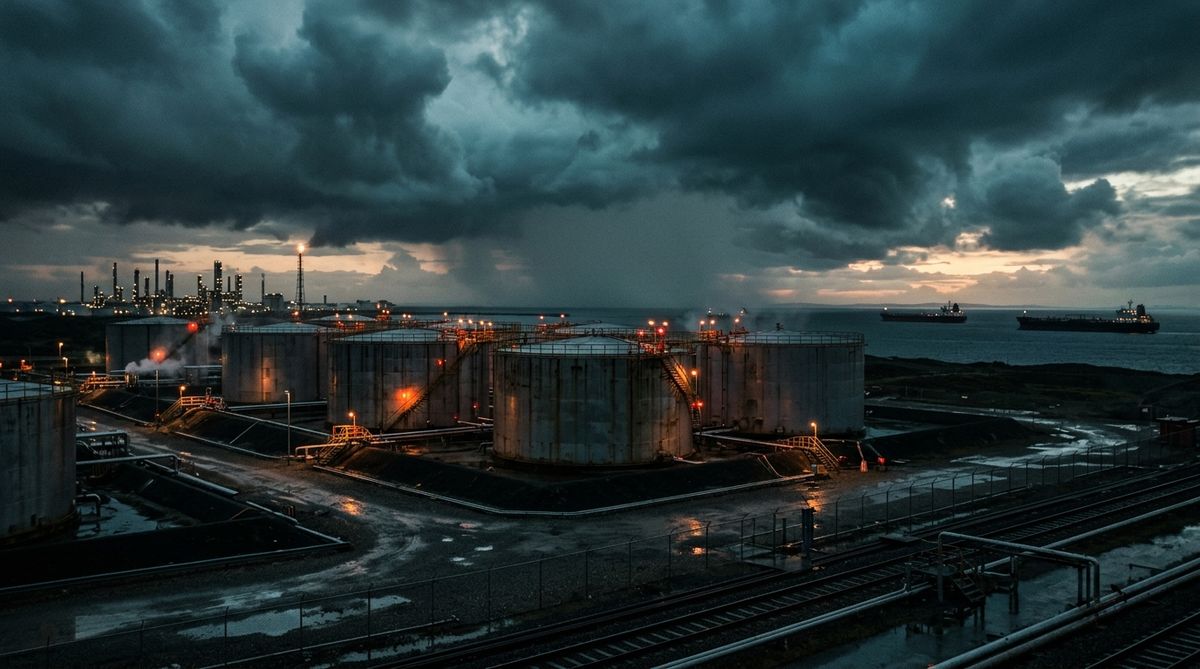
Global Onshore Oil Inventories Fall to Decade-Low — What Happened Global land-based oil stocks have dropped to their lowest level in 10 years, the International Energy Agency (IEA) warned, signaling a heightened risk that energy market tensions could extend through 2027. The finding, reported by Mediafax and analyzed by Economedia, highlights an unprecedented structural vulnerability in the global supply chain following sharp price increases for crude oil and refined fuels in recent months. The depletion of onshore inventories removes the commercial shock absorber that previously allowed the market to absorb geopolitical disruptions without severe price spikes. In the absence of physical reserves stored close to major demand centers, any disruption to maritime transit or refining capacity directly impacts fuel trading benchmarks. The IEA assessment indicates that land storage volumes have been continuously drawn down to cover the structural gap between rising consumption and constrained global supply. This forces market operators to rely heavily on oil in maritime transit, which faces escalating security risks and logistical delays. The warning from the Paris-based agency stresses that the global oil market is undergoing one of its most challenging periods in a decade. According to IEA reports cited by Economedia, the scenario of higher pump prices and sustained volatility remains probable over the next three years, as rebuilding land reserves will require significant time and capital. Twin Crises Collide: Attacks on Russian Refineries and Middle East Bottlenecks The root cause of this accelerated inventory depletion lies in the overlap of two major geopolitical hotspots. Repeated drone attacks on energy infrastructure and oil refineries in the Russian Federation have knocked out substantial refining capacity, forcing regional markets to seek alternative supplies of refined products, particularly diesel and fuel oil. Concurrently, escalating conflict in the Middle East has disrupted critical shipping channels through strategic maritime choke points, forcing oil tankers to take lengthy detours around the Cape of Good Hope. Extended transit times have locked up large volumes of oil at sea, slowing delivery rates to onshore terminals in Europe and Asia. This dual pressure forced global distributors and refiners to rely heavily on onshore storage tanks to meet delivery contracts. Continuous withdrawals from land storage without sufficient replenishment gradually drove inventories down to the ten-year low highlighted by the IEA. The Safety Buffer Erased: Direct Impact on Fuel Prices and Industrial Costs For energy markets, reaching a decade low in onshore stocks means the safety margin against demand fluctuations has evaporated. Refiners and distributors no longer have the physical storage capacity to cushion sudden price moves by releasing reserves, rapidly passing international market increases onto end consumers. The direct impact is already evident in diesel and gasoline costs, where refining margins remain elevated due to processed fuel deficits. Freight and land logistics costs face immediate upward pressure, adding inflationary momentum across the broader economy. An extended crisis horizon through 2027 implies that energy markets cannot expect a sustained decline in fuel prices anytime soon. Import-dependent economies will continue to pay a high risk premium on every barrel purchased on spot markets. Outlook for 2025–2027: Replenishing Inventories Hinges on Route Security and New Output Rebuilding onshore storage to safe historical levels will not happen overnight, analysts cited by Mediafax warn. Replenishing land storage requires both the stabilization of maritime transit in the Middle East and the restoration of disrupted refining capacity or the onboarding of new Atlantic Basin projects. Until a structural supply surplus enables tank refilling, the risk of unexpected price surges remains elevated. Monetary policies and consumer protection measures will face constraints if crude prices remain locked in this vulnerable state. The outlook outlined by the IEA forces energy policy-makers into a defensive posture. Monitoring mandatory national strategic reserves across EU member states is becoming a top priority to prepare for potential supply disruptions in coming winters.
Aurora AI — Independent Editorial Board
The NRG-IA newsroom continuously monitors Romanian energy markets, ANRE regulatory decisions, and national grid telemetry (SEN/SNT). We deliver independent intelligence anchored exclusively in official primary data.
Editorial Charter, Ethics & Verification Methodology →