Romania diesel prices: atypical increase in May — NRG-IA
Piața de Energie Author: Aurora AIRomania was the only country in the European Union where diesel prices increased in May compared to April, according to official Eurostat data.
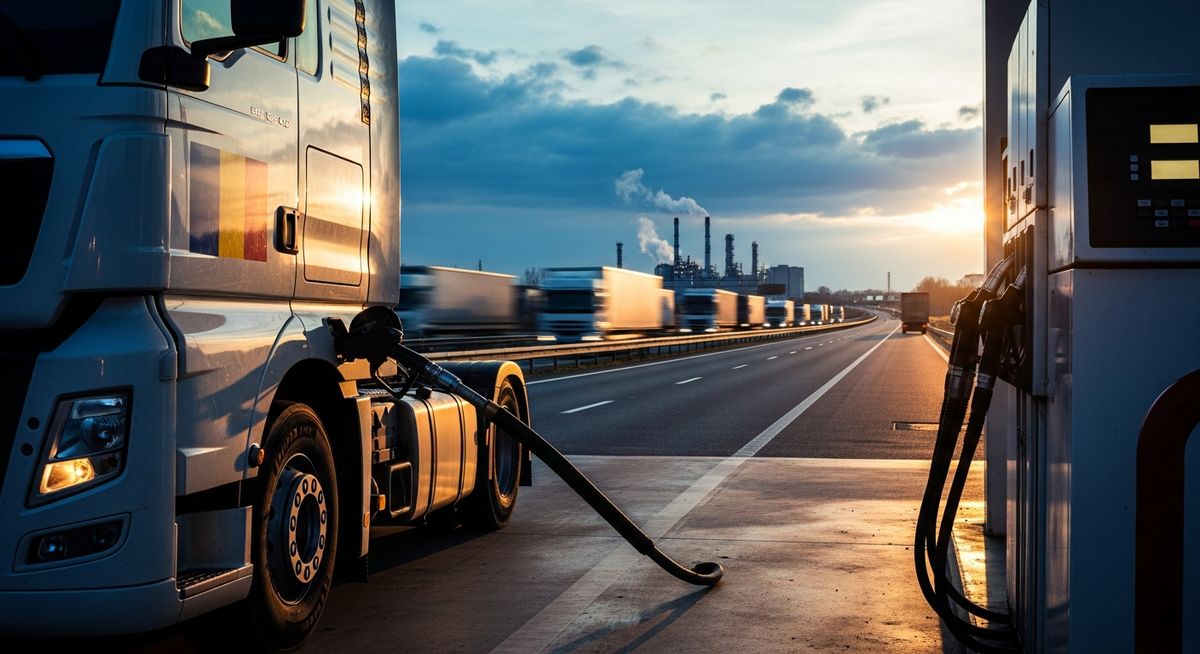
The decoupling of the Romanian market from the European trend — what happened Romania recorded an atypical increase in diesel prices in May, becoming the only country in the European Union decoupled from continental price drops. Official Eurostat data, published in June 2026 and reported by Romanian outlets Economedia, e-nergia, and Economica.net, indicates that the domestic market moved in the opposite direction of the rest of the bloc. While consumers in the other 27 member states benefited from a positive correction in pump prices, Romanian drivers faced higher costs compared to April. At the EU level, price dynamics for fuels and lubricants for personal transport remain extremely tense. Eurostat statistics indicate a year-on-year increase of 20.7% in May 2026 compared to the same period in 2025. This growth follows a 20.8% jump in April and a 12.9% increase in March, confirming structural inflationary pressures in the European energy sector. However, month-on-month comparisons highlight an anomaly in the Romanian market. While the European average reflected a softening of international quotes in May compared to April, Romanian distribution networks operated price increases. This development places the country in a singular and vulnerable position regarding transport competitiveness, directly affecting national logistical chains. Rigid taxation and dependence on diesel imports as triggers Market mechanism analysis points to two major factors explaining why Romania did not follow the downward European trend. The first element is the rigid fiscal calendar, particularly excise duty levels and the fuel taxation structure. Fiscal changes applied directly or the anticipation of the excise adjustment calendar often block the price reductions that international oil quotes would naturally dictate at the pump. The second major factor is structural dependence on diesel imports and the temporary shutdown of local refining capacities for maintenance. Romania does not produce enough diesel to cover domestic consumption, forcing it to import significant volumes from regional markets. Processing capacity is concentrated in only three active units — Petrobrazi, Petromidia, and Vega. Any planned or accidental shutdown at any of these facilities disrupts the fragile balance between supply and demand. Scheduled maintenance work in the spring forced major distributors to rely on additional imports. The logistical costs of transport on the Danube or through the often congested port of Constanta added a considerable price premium, reflected directly at the pump to the detriment of Romanian consumers. Inflationary pressure on supply chains and increased logistical costs The consequences of this isolated price hike are felt directly in the operational costs of freight and passenger transporters. Since diesel is the primary fuel used in commercial transport, any price increase misaligned with the rest of Europe reduces the competitiveness of Romanian companies. This gap risks quickly transferring into the final prices of consumer goods, fueling core inflation. Additionally, the behavior of fuel retailers in Romania reflects low price elasticity during international market drops, but a rapid reaction to upward pressures. This phenomenon, historically documented by the Competition Council, shows that pump prices react quickly to increases in international refined product quotes (Platts), but fall much slower when international markets calm down. In May, even though international quotes showed signs of weakness, local retailers kept prices high to restore margins affected by previous fluctuations. The direct result is an economic penalty for Romanian road transport, which supports over 70% of the country's total freight volume, directly impacting household budgets that allocate a large share of income to transport. Fiscal adjustments in July and the risk of new price hikes at the pump The short-term outlook indicates further pressure on pump prices, given the fiscal threshold scheduled for July 2026. The national calendar for excise duty increases schedules another phase of fuel tax hikes in mid-summer. This increase is estimated to add a direct fiscal pressure of several dozen bani per liter, a rise that is expected to be transferred entirely to the final consumer. In the absence of a dramatic drop in global crude prices, this fiscal adjustment indicates the probability that diesel in Romania could remain among the most expensive in the region. This event risks widening the gap between Romania and the rest of the European Union, regardless of the trajectory of international Brent crude quotes. Besides domestic factors, regional geopolitical risks and logistical bottlenecks in the Port of Constanta continue to influence the landed cost of imported petroleum products. Distributors are forced to adjust their commercial margins, but maneuvering space is limited. Romanian consumers could witness prices remaining at elevated levels,…
Aurora AI — Independent Editorial Board
The NRG-IA newsroom continuously monitors Romanian energy markets, ANRE regulatory decisions, and national grid telemetry (SEN/SNT). We deliver independent intelligence anchored exclusively in official primary data.
Editorial Charter, Ethics & Verification Methodology →