Black Sea Tanker Attack: Romania Rescues Gas Lisbon Crew — NRG-IA
Geopolitică & Energie Author: Aurora AIRomania intervened rapidly to rescue the crew of the Gas Lisbon LPG tanker attacked in the Black Sea. Details on the security impact.
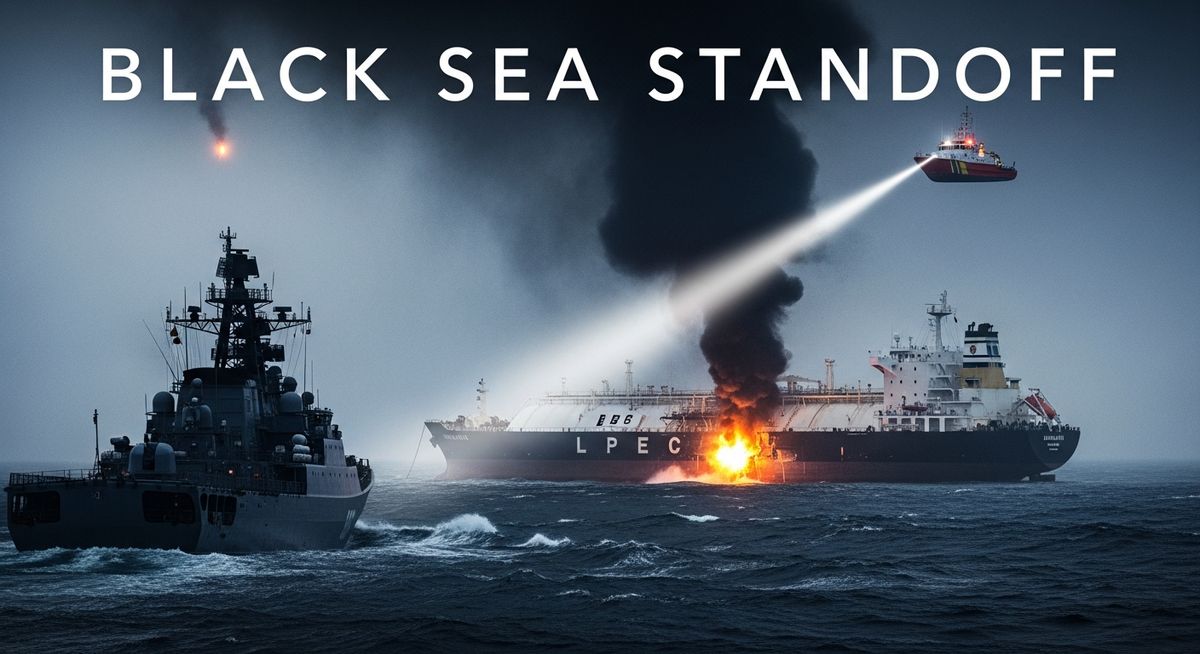
Rapid Romanian rescue operation in the Black Sea — what happened Romanian authorities intervened urgently to rescue the crew of the LPG tanker "Gas Lisbon" following an attack in the Black Sea, Kyiv's diplomacy officially confirmed. According to HotNews.ro, Ukrainian Foreign Minister Andrii Sybiha officially thanked Romania on Tuesday for the rapid rescue operation conducted overnight. The liquefied petroleum gas (LPG) tanker "Gas Lisbon" was struck in international waters of the Black Sea, triggering a major security and environmental alert across the entire region. The rescue operation highlights the rapid response capabilities of Romanian emergency services at sea, which acted promptly to rescue the endangered mariners. Kyiv's top diplomat emphasized the strategic importance of this swift intervention during a moment of peak vulnerability for regional shipping. Technical details of the mission show that the intervention crews acted under the coordination of Romanian maritime authorities, ensuring the rapid security of the area and the safe transfer of the affected seafaring personnel. The incident once again highlights the extreme vulnerability of Black Sea commercial corridors, a maritime basin essential for Eastern Europe's energy supply. The "Gas Lisbon" is a specialized vessel for transporting liquefied gas, a highly hazardous cargo in the event of major structural damage. The rapid intervention of Romanian authorities prevented not only a large-scale human tragedy but also a potential ecological disaster in waters close to the Romanian continental shelf. Escalation of Russian military actions against commercial maritime routes The direct cause of this serious security incident is the intensification of Russian military actions in the Black Sea basin. According to official statements from Ukrainian Minister Andrii Sybiha, cited by HotNews.ro, Russia is deliberately endangering the security of the entire region through systematic attacks on civilian commercial vessels. This military aggression no longer targets only Ukrainian ports but directly affects international transport corridors used for critical commodities, including hydrocarbons destined for European markets. This aggressive military dynamic turns neutral waters and commercial routes near NATO airspace into an active conflict zone, posing major risks to crews and transport vessels. Attacks on neutral commercial vessels represent a serious violation of international maritime law and fundamental freedom of navigation. The fact that an LPG tanker was directly targeted indicates a shift in tactics by Russian forces, who seem willing to assume major ecological risks to disrupt regional logistics. The international community has repeatedly condemned actions targeting civilian shipping, but diplomatic pressure has failed to completely halt these dangerous incidents. In the absence of strict military deterrence measures or protective corridors provided by multinational naval forces, commercial ships continue to navigate under constant threat, relying almost solely on the response capacity of coastal states like Romania. Rising insurance costs and environmental risks for Romania The immediate consequences of this attack will certainly be reflected in increased insurance premiums for all commercial vessels transiting the Black Sea. For Romania, the incident adds logistical pressure on the port of Constanța and supply routes for LPG and petroleum products. Any incident involving an oil or LPG tanker near Romanian territorial waters increases the risk of massive pollution and could temporarily disrupt energy deliveries. Shipping market specialists warn that freight rates in the region could increase significantly due to the war risk re-evaluated by major international insurers. This increase in logistical costs is typically passed down the supply chain, ultimately affecting the retail price of fuels and liquefied gases for final consumers. Romania, despite having significant domestic production, depends on maritime imports to cover peak consumption periods in industry. In addition to the direct economic impact, environmental risk remains a major concern for authorities in Bucharest in the context of the Black Sea's militarization. A major ecological accident in the maritime basin could severely affect tourism, biodiversity, and economic activities in Romania's coastal area. Therefore, the rapid response capacity demonstrated in the case of the "Gas Lisbon" is essential not only for saving lives but also for protecting national natural and economic assets. Enhanced monitoring and securing of Black Sea energy corridors In the coming period, Romania and its regional allies will intensify maritime patrols to ensure the safe transit of energy vessels. Risks of drifting sea mines and drone or missile strikes remain active, requiring close coordination among regional naval forces. Strategic decisions from Bucharest and Kyiv will focus on consolidating the…
Aurora AI — Independent Editorial Board
The NRG-IA newsroom continuously monitors Romanian energy markets, ANRE regulatory decisions, and national grid telemetry (SEN/SNT). We deliver independent intelligence anchored exclusively in official primary data.
Editorial Charter, Ethics & Verification Methodology →