Romania Power Crisis: Supply Risks & €273/MWh Spot Price — NRG-IA
Piața de Energie Author: Ioana BuzoaicaRomania's Ministry of Energy proposes extending emergency power safety measures through Nov 2026 amid low output, peak demand, and EU-record €273/MWh spot prices.
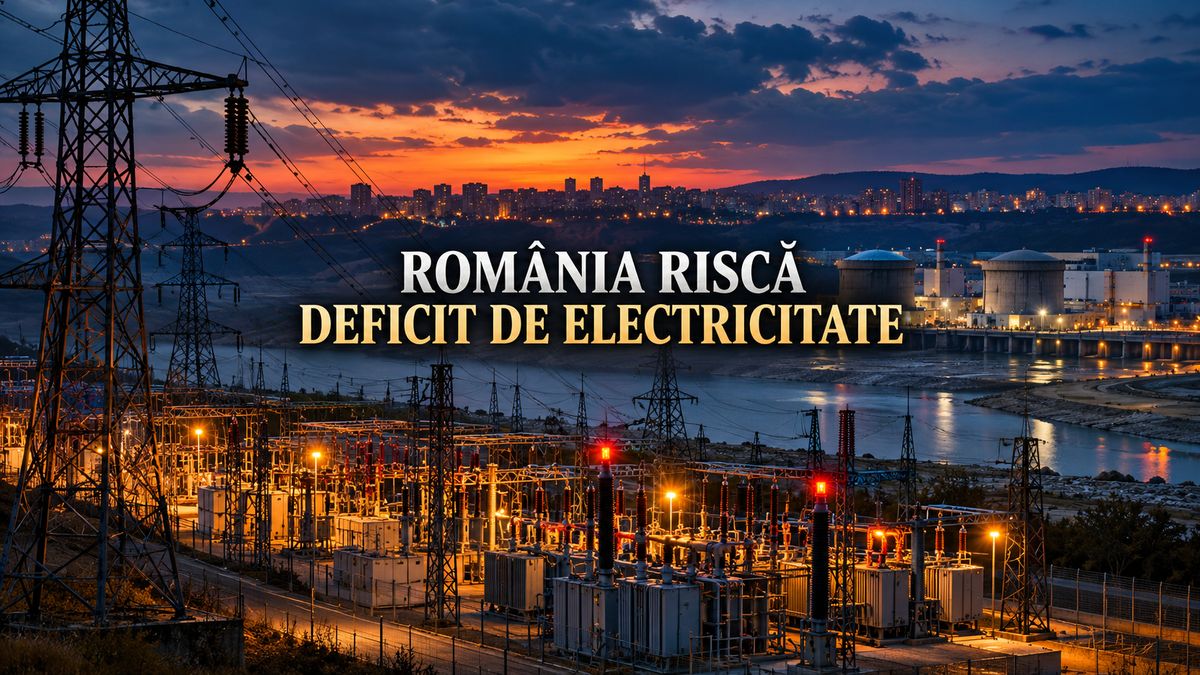
Romania is preparing for another month of energy vulnerability. The Ministry of Energy has drafted a decision extending exceptional security measures in the electricity market until November 30, 2026, warning that a lack of sufficient reserves to cover peak-hour consumption could trigger a supply crisis with severe economic and social consequences. The situation stems from a confluence of factors: the unavailability of nuclear capacity affected by low water levels on the Danube, drought-reduced hydro generation, operational constraints at coal-fired plants, a seasonal decline in solar output, and limited import capacity. Meanwhile, national electricity consumption could rise to around 8,500 MW during cold November evenings, according to forecasts presented in the Ministry's draft proposal. Pressure on the grid is already reflected in the market. For Monday, October 26, day-ahead electricity prices in Romania surged by 17% to around €273/MWh—the highest level in the European Union. This comes amid a broader European surge in electricity and natural gas prices, reducing Romania's ability to offset domestic supply shortfalls with cheap imports. Cernavodă and drought squeeze Romania's generation capacity One of the main vulnerabilities identified by authorities is the status of the Cernavodă Nuclear Power Plant. Low Danube flows are impairing necessary cooling operations, and hydrological forecasts offer no clear path for restarting at least one of the shut units in November. The impact extends beyond a standard technical outage. Under normal conditions, nuclear power provides a stable baseload independent of daily fluctuations in wind or solar radiation. When this capacity is missing, the grid must rely on alternative sources capable of delivering electricity precisely during periods of peak demand. The nuclear deficit is compounded by drought conditions impacting hydroelectric plants. Below-average rainfall has lowered river flows and reduced hydro generation, restricting a key resource used for rapid load balancing. Reservoir-based hydro plants can step in during sudden demand spikes, but this flexibility depends on available water reserves and careful planning for the coming months. Coal-fired power plants cannot fully bridge the gap either. According to grid operator Transelectrica's assessments included in the project documentation, coal units could deliver a maximum of 1,200 MW for limited periods, while sustained availability is estimated at roughly 900 MW due to constrained fuel stocks. This gap between peak capacity and sustainable output poses a significant operational constraint for the power system. Demand could hit 8,500 MW, with the 17:00–21:00 evening window critical Authorities identify the 17:00–21:00 time frame as the primary window of vulnerability. During these hours, residential and economic power demand remains high, while solar generation drops sharply or ceases entirely. The deficit must be swiftly covered by hydro, thermal plants, other flexible capacity, or imports. For the first half of November, forecasts indicate that peak evening consumption could reach approximately 8,500 MW. Should temperatures fall significantly below seasonal averages, demand could escalate further. By comparison, the emergency framework established for October had anticipated a peak of up to 8,000 MW. Wind generation can help cushion the deficit, but its output remains weather-dependent. Transelectrica's evaluations highlight substantial volatility in wind power, while solar output is constrained by shorter winter days and cloud cover. Consequently, total installed renewable capacity cannot be treated as reliable hourly dispatchable power. This lies at the heart of the system's adequacy challenge: Romania must maintain sufficient dispatchable power at all times to meet demand, even during low renewable output or unforeseen outages. High installed capacity alone does not guarantee peak load coverage. Imports grow scarce as Romania pays €273/MWh on spot market Under normal circumstances, cross-border interconnectors help balance domestic supply and demand. However, during a regional supply squeeze, neighboring countries often face similar deficits, making exportable power more expensive or harder to secure. The situation is exacerbated by regional nuclear outages. Assessments cited in the preparation document for November point to scheduled maintenance shutdowns of nuclear units in Bulgaria and the Czech Republic, alongside reduced capacity in Hungary. These constraints erode the flexibility of an interconnected regional market, where localized generation deficits can quickly cascade across borders. On October 26, Romania recorded a spot market price of around €273/MWh (roughly 1,365 RON/MWh at an exchange rate of 5 RON/EUR). This represented a 17% day-over-day increase and was the highest wholesale power price in the EU. Non-EU neighbor Serbia registered approximately €285/MWh. Rising natural gas prices are…
Ioana Buzoaica — Independent Editorial Board
The NRG-IA newsroom continuously monitors Romanian energy markets, ANRE regulatory decisions, and national grid telemetry (SEN/SNT). We deliver independent intelligence anchored exclusively in official primary data.
Editorial Charter, Ethics & Verification Methodology →