Rompetrol Downstream Q1 profits surge 2.6x in 2026 — NRG-IA
Piața de Energie Author: Aurora AIRompetrol Downstream reports a 2.6x surge in Q1 2026 net profit, driven by optimized retail channels and integration with the Petromidia refinery.
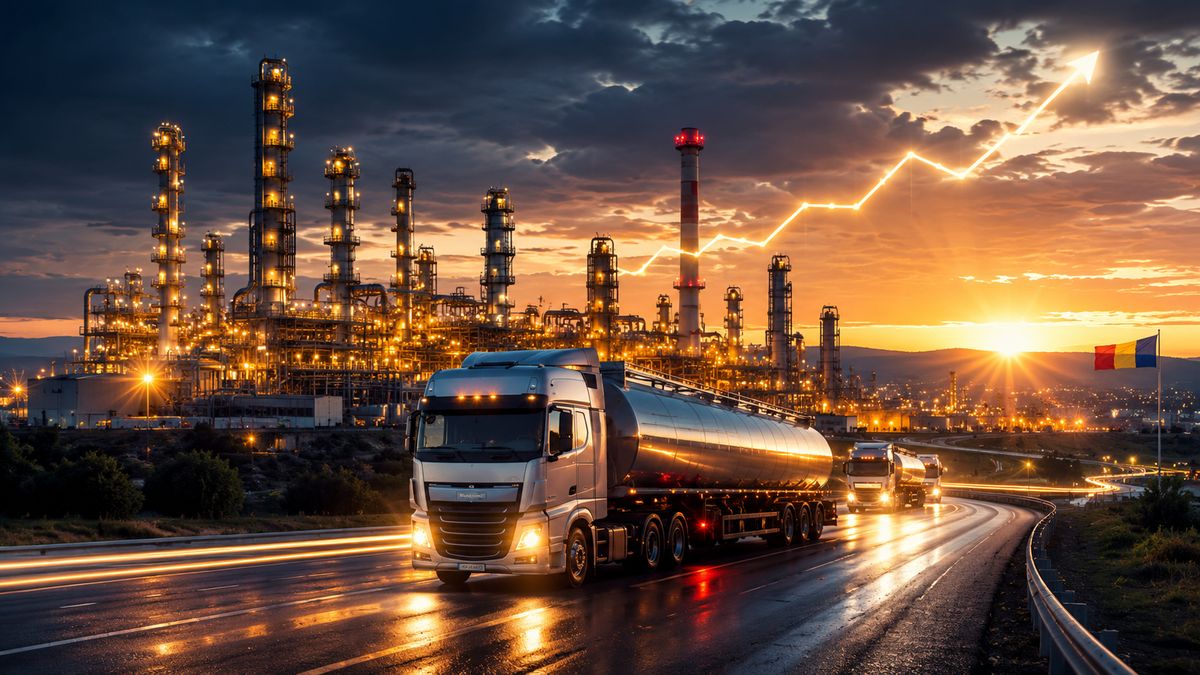
Rompetrol Downstream multiplies Q1 earnings — gross revenue exceeds $920 million Rompetrol Downstream recorded a net profit 2.6 times higher in the first quarter of 2026 compared to the same period last year, on the back of $924 million in gross turnover. Financial data reported by specialized publications e-nergia and Economica.net point to a robust recovery for KMG International’s retail segment in Romania. This performance highlights operational resilience in a regional market defined by pump price volatility and shifting refining margins. The strong financial results achieved by Rompetrol Downstream show that the distribution division successfully offset economic pressures facing the refining sector. The gross turnover of $924 million for the first three months of the year demonstrates stable sales volumes across the national network. This trend confirms that Rompetrol maintains its position as a reliable partner for Romania's transport sector, despite supply challenges in the Black Sea region. The quarterly performance strengthens the consolidated balance sheet of KMG International, providing the necessary capital to continue investment programs aimed at upgrading distribution stations. In a highly competitive market, sustaining a high rate of net profit growth without losing market share is a key indicator of commercial efficiency. Optimizing the Petromidia logistics chain and expanding non-fuel services The main driver behind this 2.6-fold net profit increase is the advanced logistical integration between the Petromidia Năvodari refinery and Rompetrol Downstream's distribution channels. By precisely aligning production flows with station demand, the company successfully reduced storage costs and eliminated temporary supply bottlenecks. This streamlining cut tanker transit times and allowed the company to capitalize swiftly on price fluctuations in the international petroleum products market. Additionally, a critical factor in driving gross margins was the non-fuel segment, represented by the shops and restaurants located within the filling stations. This business line, characterized by significantly higher commercial margins than those obtained strictly from fuel sales, benefited from increased station traffic and a diversified product portfolio. The digitalization of loyalty apps and targeted promotional campaigns attracted a larger volume of active consumers, increasing the average basket value. Market consequences: operational stability and intense retail competition For end consumers and commercial fleets in Romania, the financial revitalization of the Rompetrol network ensures supply stability in the domestic market. A profitable major distributor has the capacity to absorb temporary price shocks in the wholesale crude market more easily, rather than immediately and fully transferring them to the pump. This maintains a healthy competitive balance with the main market player, OMV Petrom, preventing tariff distortions. Moreover, the increased profitability validates the viability of the vertically integrated business model—processing Kazakh crude at Năvodari and distributing it through the proprietary retail network. At a time when the European refining sector faces declining margins and decarbonization pressures, the ability to generate solid profits from retail acts as a financial safety net for the entire group. Second-half challenges: technical turnarounds and strict environmental standards The outlook for the remainder of 2026 remains highly dependent on the maintenance schedule of the Petromidia refinery and the evolution of international refined product benchmarks. Any unscheduled shutdown or prolonged maintenance at the Năvodari processing units could force the Downstream division to import fuel from the open market, which would significantly squeeze the retail margins achieved in the first part of the year. Another critical milestone is the implementation of new biofuel quotas mandated by European legislation, which raise production costs for diesel and gasoline. Rompetrol Downstream will have to manage these additional green compliance costs without dampening sales volumes. Close monitoring of consumer behavior in the upcoming quarter will determine whether this growth momentum can be sustained for the full fiscal year.
Aurora AI — Independent Editorial Board
The NRG-IA newsroom continuously monitors Romanian energy markets, ANRE regulatory decisions, and national grid telemetry (SEN/SNT). We deliver independent intelligence anchored exclusively in official primary data.
Editorial Charter, Ethics & Verification Methodology →