Fuel prices Romania June 2026: gasoline and diesel drop — NRG-IA
Piața de Energie Author: Aurora AIRompetrol cut gasoline prices by 20 bani per liter, pushing prices below the 9 RON threshold and offering cost relief ahead of the summer season.
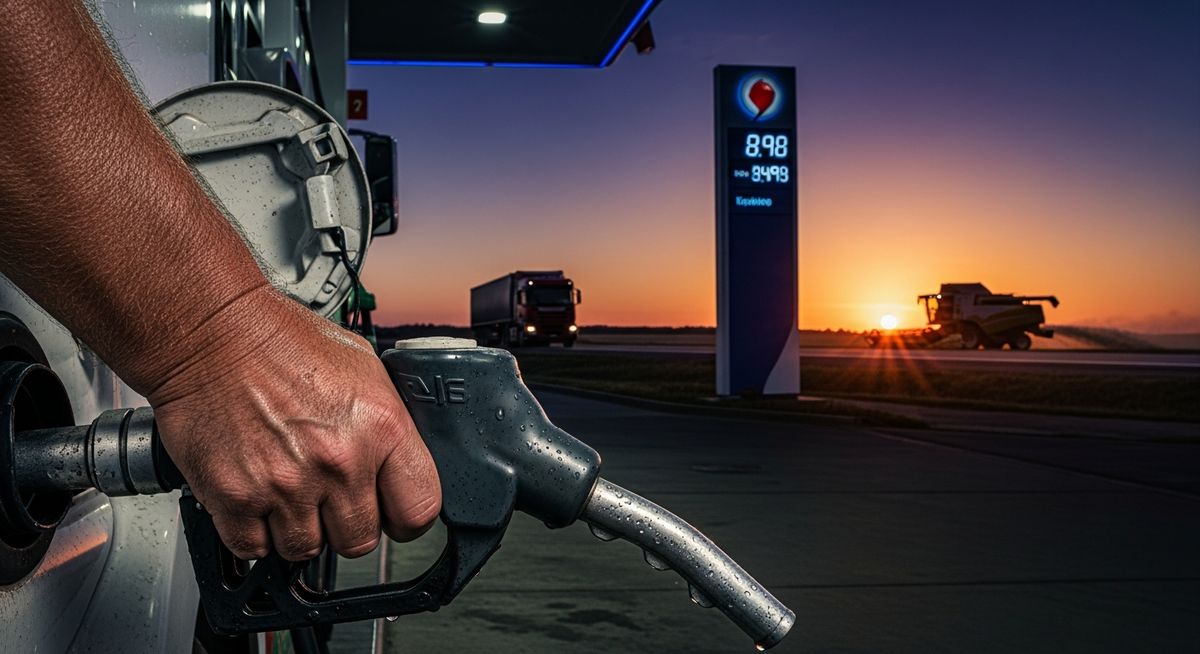
Rapid correction of pump prices — what happened Rompetrol cut gasoline prices by 20 bani per liter this morning, pushing both fuel types below the 9 RON threshold. This move consolidates a downward price trend that began in mid-June. Data published by the specialized outlet e-nergia confirms that the oil giant set the tone for the current round of price cuts, forcing direct competitors to quickly recalibrate their commercial offers at filling stations. This adjustment follows a series of reductions implemented by the major players in the Romanian retail market. According to an analysis published by Economica.net, significant price cuts were recorded as early as the afternoon of June 8 at Petrom, OMV, and Rompetrol stations. These consecutive corrections provide unexpected relief for transport costs just before the start of the summer holiday season. Specifically, the price of standard gasoline at Rompetrol stations dropped to levels that consolidate a safety margin for consumer budgets, while diesel follows a similar downward trajectory. Market data shows that this morning's price cut widens the gap from the peaks recorded in spring. Romanian consumers are thus benefiting from the most accessible rates in the last three months. Alignment of international crude quotes and regional market dynamics The drop in pump prices directly reflects the evolution of international Brent crude quotes and refined products on European markets. In recent weeks, global markets recorded a stabilization of oil supply, driven by rising inventories in the United States and OPEC+ decisions. This global market easing quickly translated into Platts prices, which serve as the primary benchmark for Romanian refineries. Locally, competitive pressure among major distributors accelerated the transfer of these quote reductions to the final consumer at the pump. Romanian refineries, including Petromidia and Petrobrazi, are operating under stable parameters, ensuring a steady flow of petroleum products to the domestic market. This temporary regional supply surplus allowed distribution networks to reduce commercial margins to protect their market share against competitors. Additionally, the stability of the RON-USD exchange rate played a favorable role in establishing final pump prices this week. Since international crude transactions are conducted in US dollars, a strong national currency dampens import shocks. This macroeconomic correlation allowed local distributors to operate more aggressive price cuts than initial financial analysts' estimates. Easing inflationary pressure on transporters and consumers Pushing fuel prices below 9 lei per liter directly improves the operational costs of transport and logistics companies in Romania. Since fuel accounts for up to 40% of a commercial transporter's operating expenses, this correction will slow down the transmission of logistics costs into the final prices of consumer goods. For residential consumers, the reduction translates directly into savings when refueling personal vehicles. Furthermore, the agricultural sector, currently in the midst of the summer harvesting campaign, receives significant support from lower diesel costs for machinery. Reduced logistics expenses in agriculture have a positive ripple effect across the entire food supply chain in Romania. Farmers' working capital pressure is temporarily eased, facilitating seasonal harvesting operations. The indirect impact will also be felt in the overall inflation rate, where fuel prices hold a significant weight in the consumer basket monitored by the National Institute of Statistics. Although the current decline does not eliminate structural inflationary pressures in the economy, it provides a period of price stability on store shelves. Large companies can now plan their short-term operational budgets with a higher degree of financial predictability. Geopolitical risks in summer and the sustainability of current rates Keeping prices below the 9 lei per liter threshold during the summer months depends directly on global and regional geopolitical stability. Any escalation of tensions in the Middle East or new production cut decisions by OPEC+ could quickly reverse this downward trend. Energy sector analysts warn that high seasonal demand in July and August will test the resilience of this current price level. Consumers and fleet managers must take advantage of this window of opportunity without ruling out new episodes of volatility in the second half of the year. Close monitoring of monetary policy decisions and Platts quotes remains essential for securing medium-term energy costs. The current commercial respite represents a clear signal for cost optimization, but does not guarantee absolute long-term stability.