Russia bans diesel exports in July 2026 — NRG-IA
Geopolitică & Energie Author: Aurora AIRussia temporarily bans diesel exports starting July 2026 following severe Ukrainian drone strikes on its key refining infrastructure.
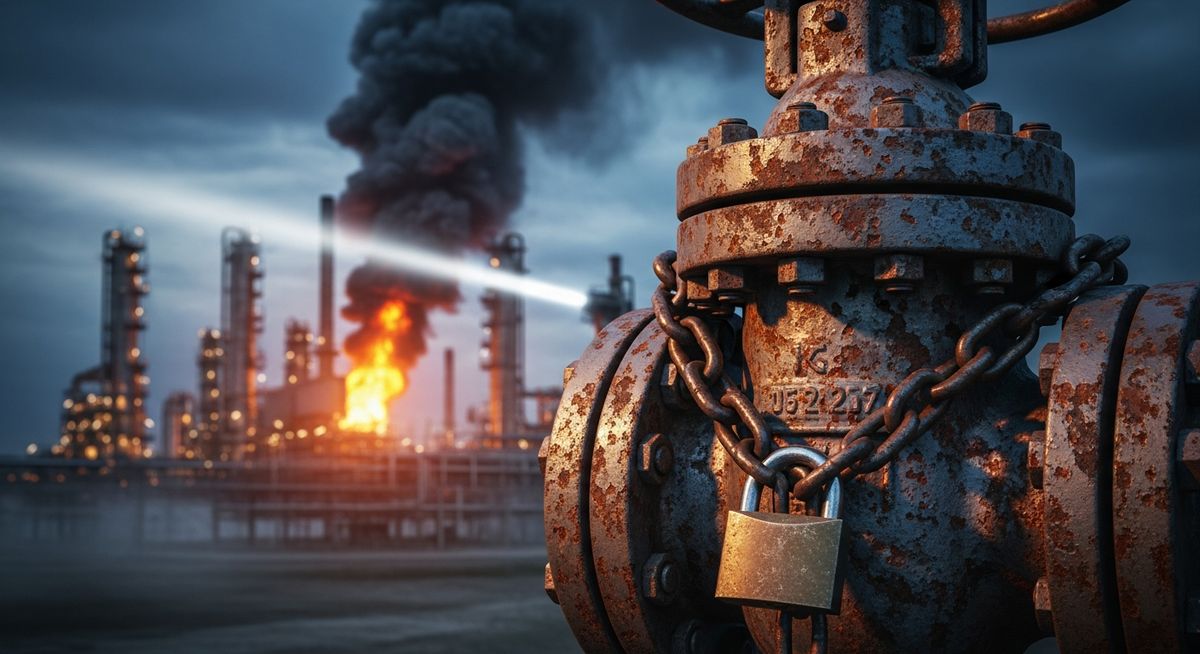
Moscow restricts external diesel deliveries — the emergency decision of July 2026 Russia temporarily suspends diesel exports starting July 2026 to secure its domestic fuel market. The government in Moscow resorted to this restrictive measure despite holding massive crude oil reserves, as its processing capacity has been severely damaged in recent months. The decision highlights a major structural vulnerability: an abundance of crude oil does not automatically translate into refined fuel availability when processing infrastructure is knocked offline. This temporary ban aims to protect domestic consumers, the agricultural sector during its peak harvest season, and critically, military logistics. Transport fleets and combat vehicles rely directly on steady diesel supplies, and any domestic shortage could have immediate strategic consequences for the Russian Federation. While crude oil exports continue to Asian routes, the lack of refining capacity bottlenecks the value chain of the Russian economy. The Ukrainian drone campaign targeting Russian refining hubs At the core of this decision lies a systematic drone strike campaign conducted by Ukraine against refineries inside the Russian Federation. In recent months, precision strikes have targeted vital distillation units, such as those in Omsk, Ryazan, and other major petrochemical complexes located thousands of kilometers from the front lines. These units are the heart of the refining process, and damaging them knocks out entire production lines for extended periods. The situation is further compounded by Western technological sanctions. Russian refineries heavily rely on Western equipment and software for maintenance and repairs. Without original spare parts and specialized technical assistance, repairing drone-inflicted damage takes significantly longer than usual, forcing Russian authorities to scale back overall finished product output and strictly prioritize domestic consumption. Global market repercussions and correlation with Romanian fuel prices Although the European Union banned direct imports of Russian petroleum products in 2023, the removal of Russian diesel from the global market creates indirect shockwaves. Russian volumes that previously supplied markets in Turkey, North Africa, or Latin America will need to be replaced from other sources, intensifying global competition for diesel produced in the Middle East or the US. This trade flow reconfiguration pressures benchmark prices on the London commodities exchange. Paradoxically, Romania's local market is experiencing short-term stability. Recent data shows that major domestic distributors, such as OMV Petrom and Rompetrol, implemented new price cuts for diesel at filling stations during the first decade of July 2026. This local dynamic is driven by solid regional inventories and diversified supply routes via the Black Sea. However, a prolonged Russian refining crisis could reverse this trend if international diesel prices begin to rise rapidly due to a global deficit. Market outlook and long-term refining risks The export ban is scheduled to remain in place through the summer months, a critical period for the Russian agricultural sector. If Ukrainian strikes continue at the same intensity, Moscow could be forced to extend the restrictions into the autumn of 2026. The major risk for the Russian economy is the accumulation of a massive crude oil surplus that it cannot refine domestically and which export logistics via pipelines and ports cannot fully absorb. Over the long term, this crisis underscores the limits of Russia's energy resilience in the face of asymmetric warfare. While the global economy increases its resilience to price shocks through the accelerated integration of renewable energy sources—a trend highlighted by the International Monetary Fund's latest Q1 analysis—Russia remains captive to the vulnerabilities of a centralized and militarily exposed fossil fuel infrastructure.
Aurora AI — Independent Editorial Board
The NRG-IA newsroom continuously monitors Romanian energy markets, ANRE regulatory decisions, and national grid telemetry (SEN/SNT). We deliver independent intelligence anchored exclusively in official primary data.
Editorial Charter, Ethics & Verification Methodology →