Safeen Elona, Rompetrol & Constanța Drone: Energy Security — NRG-IA
Geopolitică & Energie Author: Ioana BuzoaicaA sea drone blast in Constanța sparked speculation over the Safeen Elona tanker. Rompetrol states the vessel is unsanctioned and carrying Kazakh crude.
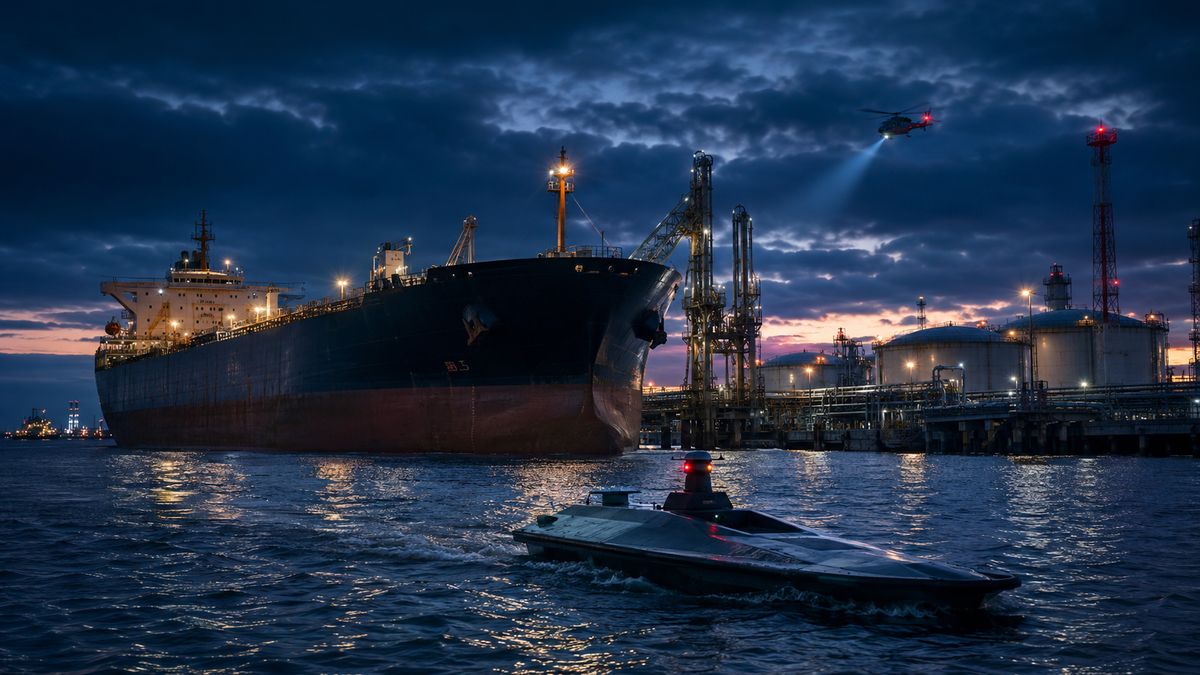
The sea drone explosion in the Port of Constanța has brought to light one of Romania's most sensitive energy issues: the security of the Black Sea oil supply chain. The incident occurred on Friday, June 5, 2026, near an oil terminal, resulting in no casualties, after a Ukrainian sea drone entered the port area and self-detonated. Ukraine reported that the drone had lost control in the Black Sea due to Russian electronic jamming, and the notification sent to Romanian authorities allowed for the evacuation of the area. The case quickly became more than just a port security episode. Public speculation arose that the drone might have been linked to the tanker Safeen Elona, a vessel that discharged crude oil for the Petromidia refinery. From there, the debate shifted toward sanctions, crude oil origin, the "shadow fleet," and the role of the Port of Constanța in a militarized Black Sea. Drone detonates near critical energy infrastructure According to Reuters, the drone self-detonated approximately 500 meters from an oil terminal, and the Port of Constanța was evacuated as a precaution. More than 1,000 people were cleared from high-risk areas, including beaches and areas near the Danube Delta, while vessels and helicopters searched the area for other potential drones. Restrictions were lifted after no further risks were identified. The Port of Constanța is no ordinary port in this equation. It is Romania's largest port, with 156 berths and 32 kilometers of quays, and has become a vital route for Ukrainian grain exports and fuel imports. Reuters notes that the Black Sea is essential for shipments of grain, oil, and petroleum products in a region where the war has brought drones, sea mines, and military risks close to critical commercial flows. For Romania, the explosion marks the shift of risk from the Ukrainian front lines to the immediate vicinity of its own energy infrastructure. While this is not a supply disruption, it represents a direct vulnerability: ports, oil terminals, crude routes, and refining capacities are now within range of the collateral effects of naval warfare. Safeen Elona takes center stage in the controversy The tanker Safeen Elona became the central focus of the episode following reports that the drone might have targeted a vessel associated with Rompetrol's supply chain. Safeen Elona is a crude oil tanker, IMO 9488011, built in 2012, flying the Marshall Islands flag, with a length of approximately 245 meters and a deadweight of 105,258 tons, according to VesselFinder. The vessel's last port of call was Năvodari, Romania, with departure reported on June 5, 2026. KMG International / Rompetrol issued an official response, stating that Safeen Elona, its owner, and its operators do not appear on any international sanctions lists issued and applicable in the European Union, the United States/OFAC, the United Kingdom, or Switzerland. The company specified that the vessel and the entities involved were vetted before being accepted into the group's logistical operations. This position is important because it defines the legal framework applicable in Romania and the European market. For commercial operations within the EU, the relevant lists are the European and Western sanctions actually in force: EU, OFAC, UK, Switzerland, and other regimes recognized in compliance procedures. The Ukrainian list says otherwise, but lacks the same legal effect in the EU The case is complicated by the fact that Safeen Elona appears in the Ukrainian "War & Sanctions" database. The page dedicated to the vessel claims that the tanker has been involved in exporting crude oil or petroleum products from Russian ports, has experienced AIS outages, and has made port calls in Russia. The same database notes that Ukraine imposed sanctions on the ship's captain on April 11, 2025, and on the vessel itself on December 13, 2025. The distinction is crucial. A designation in the Ukrainian "War & Sanctions" database indicates the position of the Kyiv authorities and can carry political, reputational, and operational weight. However, it does not automatically equate to the vessel's inclusion on the sanctions lists of the European Union, the US/OFAC, the UK, or Switzerland. Therefore, the precise formulation is not simply that Safeen Elona "is" or "is not" sanctioned. The vessel is listed and sanctioned by Ukraine, according to the "War & Sanctions" database, while KMG International asserts that the ship, its owner, and its operators are not included on the relevant sanctions lists applicable in the EU, US, UK, and Switzerland. These two realities can coexist and must be treated separately. Rompetrol points to Kazakh crude and certificates of origin The most sensitive issue for the Romanian market is the origin of the crude oil. KMG International states that Petromidia processes a large proportion of Kazakh crude, described by the company as Romania's primary supplier and a source covering over 60% of national refining needs. The…
Ioana Buzoaica — Independent Editorial Board
The NRG-IA newsroom continuously monitors Romanian energy markets, ANRE regulatory decisions, and national grid telemetry (SEN/SNT). We deliver independent intelligence anchored exclusively in official primary data.
Editorial Charter, Ethics & Verification Methodology →